

The geopolitical silence surrounding the Ambazonian conflict serves as a reminder that freedom movements cannot depend solely on the conscience of international institutions. History suggests that meaningful change often occurs when oppressed peoples develop the capacity to sustain their cause despite external indifference.
By Carl Sanders Guest Writer, The Independentist News, Soho, London
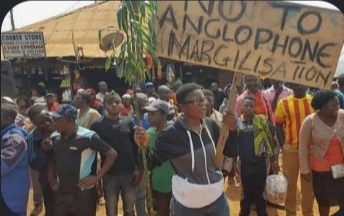
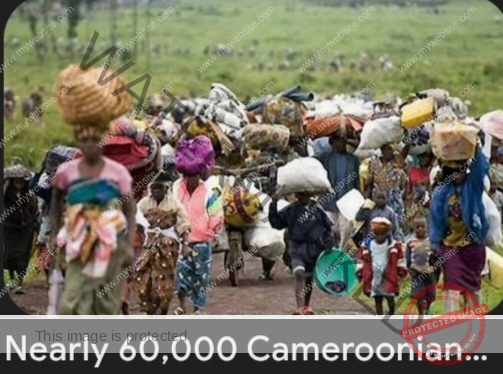
BUEA – 21 June 2026 – For nearly a decade, the people of Ambazonia have endured a devastating conflict marked by widespread destruction, mass displacement, and persistent allegations of grave human rights violations. Hundreds of communities have been destroyed, thousands of civilians have reportedly lost their lives, and large numbers of families have been forced to flee their homes. Yet despite the scale of the humanitarian crisis, the response from the international community has been limited to occasional expressions of concern and calls for dialogue. Meaningful intervention has remained absent, leaving many Ambazonians questioning why global institutions that claim to defend human rights and justice have failed to act decisively
The Notion of state sovereignty
One explanation lies in the way international institutions operate. The United Nations and the African Union are built upon the principle of state sovereignty, a doctrine that makes member states extremely reluctant to interfere in the affairs of a recognized government. In practice, this means that even when serious allegations of abuses emerge, international bodies often hesitate to take action if doing so could be interpreted as violating the territorial integrity of a member state. The government of Cameroon has consistently presented the conflict as an internal security matter and a campaign against armed separatist groups. By framing the conflict in these terms, Yaoundé has successfully limited international pressure and prevented stronger action from being placed on the agenda of major international organizations.
Geopolitical considerations.
Geopolitical interests further complicate the situation. Cameroon occupies an important strategic position in Central Africa and maintains longstanding political, military, and economic relationships with several influential international partners. Among these, France continues to play a particularly significant role because of historical, economic, and diplomatic ties dating back to the colonial era. Critics argue that concerns about regional stability, commercial interests, and geopolitical influence have often outweighed humanitarian considerations. As a result, international criticism of the Cameroonian government has frequently remained cautious and restrained, even as reports of suffering continue to emerge from the conflict zone.
Managerial weaknesses of Rigional organisation a lack of commitment
The paralysis of the African Union reflects similar challenges. Many African governments remain deeply committed to the principle of preserving existing state borders and avoiding precedents that could encourage separatist movements elsewhere on the continent. Consequently, there has been little appetite among African leaders for direct engagement with the Ambazonian question. The conflict has therefore remained largely marginalized within continental forums despite its humanitarian consequences and its impact on neighboring countries, including the movement of refugees across borders.
For many Ambazonians, these realities have produced a profound sense of disillusionment. The expectation that international law, human rights conventions, or humanitarian principles would automatically trigger meaningful intervention has not been fulfilled. Instead, the conflict illustrates a recurring lesson in international politics: moral arguments alone rarely determine outcomes. States and institutions often act according to strategic interests, political calculations, and concerns about precedent rather than purely humanitarian considerations.
The place, and importance of diplomacy in the Ambazonian case.
This does not mean that international advocacy is without value. Raising awareness, documenting abuses, engaging diplomatic actors, and seeking legal remedies remain important components of any struggle for justice. However, the experience of the past decade has convinced many Ambazonians that they cannot rely exclusively on external actors to secure their future. International sympathy, while important, is not a substitute for organization, resilience, and sustained political engagement.
The geopolitical silence surrounding the Ambazonian conflict serves as a reminder that freedom movements cannot depend solely on the conscience of international institutions. History suggests that meaningful change often occurs when oppressed peoples develop the capacity to sustain their cause despite external indifference.
Whether one supports independence, federalism, or another political solution, the enduring lesson is that the future of Ambazonia will ultimately depend on the determination, unity, and perseverance of its own people more than on the promises of distant governments or international organizations.
Carl Sanders Guest Writer, Independentist News, Soho, London