Editorial commentary

Editorial commentary

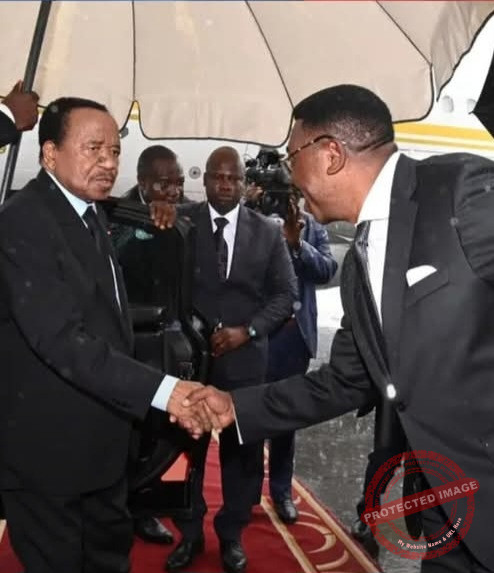
62 DAYS OUT: NGOH NGOH IS NOT PRESIDENT — AND A SIGNATURE DOES NOT MAKE HIM ONE.The Growing Attempt to Turn Delegated Authority into a Presidency Deserves to Be Challenged

Calling Ferdinand Ngoh Ngoh the “de facto President of Cameroon” remains a political interpretation, not an established constitutional fact. The deeper scandal may lie elsewhere. A country should not have to guess who is exercising its highest executive authority. By The Independentist News editorial desk For 62 days, President Paul Biya has remained outside Cameroon.

Read More
Editorial commentary

IF YOU CANNOT FIGHT THEM, OUTMANEUVER THEM: How Britain Learned to Preserve Influence Through Trade, Made Peace with France, and Left Southern Cameroons Inside an Imperial Chokepoint

The challenge before Ambazonia is therefore larger than political independence. It is to build enough constitutional, economic, intellectual, productive, and institutional redundancy that no single gate can ever hold the Republic hostage. And the greatest mistake a future Ambazonia could make would be to win the political struggle while leaving that imperial gate exactly where

Read More
Editorial commentary

SECURITY, SURVIVAL, AND THE LOOMING TRANSITION: An Urgent Civilian-Safety Advisory to Ambazonians Living in La République du Cameroun

Remain alert. Protect personal information. Avoid unnecessary political confrontation. Keep essential documents and medication accessible. Maintain contact with trusted relatives. Monitor reliable information. Reconsider travel when security conditions deteriorate. Seek legal or humanitarian assistance when a specific threat emerges. Above all, do not allow fear, rumor, ethnic hostility, or political excitement to make life-altering decisions

Read More
Editorial commentary

THE SOUTHERN CAMEROONS REVOLUTION AND THE ARCHITECTURE OF CHOKEPOINTS: How States, Global Institutions, Digital Platforms, and Internal Failures Restrict the Road from Self-Determination to Recognition

The Southern Cameroons revolution is not obstructed by one enemy alone. La République du Cameroun controls territory and state classification. France protects strategic continuity. Britain avoids the full consequences of its unfinished trusteeship responsibility. The United Nations treats a constitutional conflict mainly as a humanitarian file. The African Union recognizes grievances but hesitates to enforce

Read More
Editorial commentary

THE BOOMERANG OF ETOUDI: How Yaoundé’s Six-Decade Politics of Division Is Turning Inward

Ambazonia must meet this moment without triumphalism, recklessness, or hatred. Its eyes must remain fixed not only upon Buea as a sovereign destination but upon the constitutional order, democratic responsibility, and human security that Buea must represent. History may be opening a door. Political maturity will determine whether Ambazonia is prepared to walk through it.

Read More
Editorial commentary

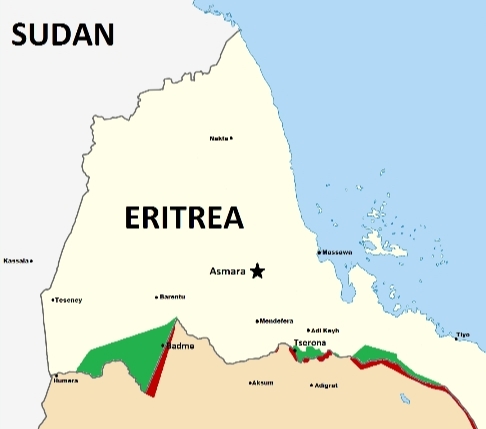
ERITREA’S LONG ROAD OUT OF ETHIOPIA: How a Broken Federation, Thirty Years of War, Political Opportunity, and a Referendum Produced Independence—and What Ambazonia Must Learn

The ultimate proof of readiness will not be the number of declarations issued, factions denounced, or military rumors celebrated. It will be the existence of institutions capable of protecting the people, governing under law, transforming national resources into shared prosperity, and allowing citizens—not another indispensable ruler—to own the republic. That is the deeper meaning of

Read More
Editorial commentary

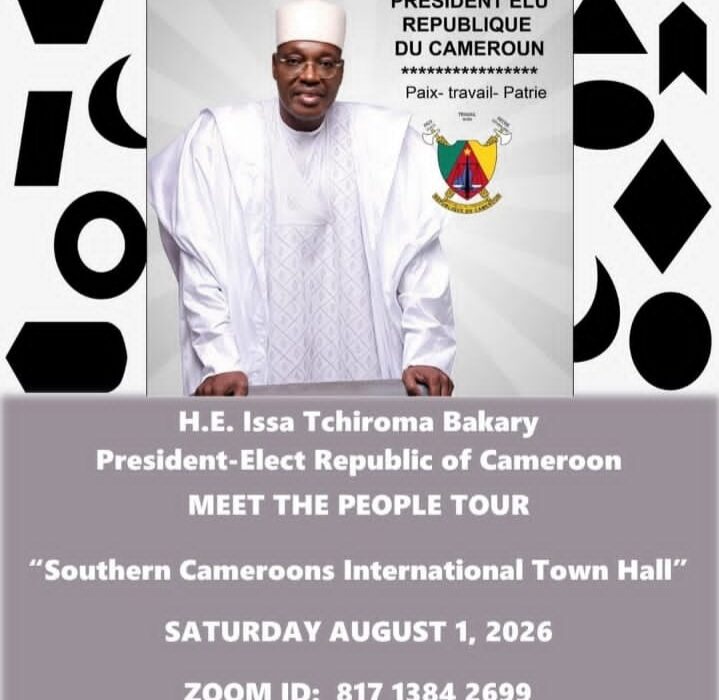
THE AUCTION OF AMBAZONIA: Issa Tchiroma, Project C, Mimi Mefo, and the Disgraced Southern Cameroons Anti-Independentists. How Eleventh-Province Rejects Are Trading a People’s Suffering for Access, Visibility, and Borrowed Legitimacy

Southern Cameroons received no sovereignty, no recognition, no prisoner release, no military withdrawal, no accountability mechanism and no credible roadmap. That is the gathering stripped of titles, broadcasts and political cosmetics. It was not a diplomatic breakthrough. It was the auction of Ambazonia. And the people must refuse to be sold. By Ali Dan Ismael,

Read More
Editorial commentary

BEYOND SUCCESSION: AMBAZONIA’S CALL FOR AFRICAN BROTHERHOOD AND SIDE-BY-SIDE NEGOTIATIONS

Side-by-side negotiations do not require every participant to recognize Ambazonian sovereignty before talks begin. They require the negotiating structure to respect both parties, avoid predetermined outcomes, and allow the underlying political dispute to be addressed honestly. By Timothy EnongeneAssociate Editor-in-Chief, The Independentist News Buea — August 2, 2026 – Paul Biya’s prolonged absence from public

Read More
Editorial commentary

GEOPOLITICAL REALIGNMENT AND THE SOVEREIGN MANDATE: Dr. Sako’s Diplomatic Strategy for Formal Recognition

The sovereign mandate must now be translated into documented engagement, institutional discipline, democratic legitimacy, and a persuasive plan for peace. International recognition will not be secured by the disappearance of one ruler. It will be secured when Ambazonia convincingly demonstrates that it can replace a failing political order with a legitimate, stable, and responsible state.

Read More
Editorial commentary

Biya and the Legacy of Division: Why Ambazonia Must Unite, Organize, and Prepare for the End of an Era

A ruler’s departure cannot liberate a divided and unprepared people. But a united, disciplined, diplomatically mobilized, and institutionally prepared people can transform the departure of a ruler into the beginning of a nation. The era of waiting must end. The era of national readiness must begin. Ambazonia must stand together—and Ambazonia must be ready. By

Read More