

As night falls over Bafut and its surrounding communities, the situation remains uncertain. The Pope’s words have traveled far beyond Bamenda. Whether they translate into restraint, renewed dialogue, or further tension will depend not on what was said—but on what follows.
By Timothy Enongene
Guest Editor-in-Chief, The Independentistnews
On Special Assignment, Bamenda
BAMENDA (April 16, 2026) – As the aircraft carrying Pope Leo XIV climbed into the evening sky over the Northwest, the fragile calm that marked his presence quickly gave way to renewed uncertainty. For a brief moment, his visit created a sense—both symbolic and real—of restraint. With his departure, that moment appears to have passed, leaving communities on edge.
Post-Departure: Rising Tension in the Bafut Hinterlands
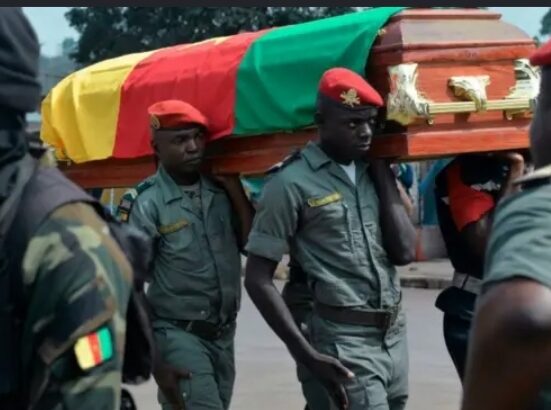
Reports emerging from Mforya and surrounding areas of Bafut point to increased military movement later in the evening. While details remain fluid, local residents describe a noticeable shift in atmosphere—one marked by apprehension and heightened alertness.
The Pope’s earlier remarks on violence and accountability have clearly resonated across the region. For those on the ground, the concern is not only what was said, but how it may be interpreted by those holding power. One community voice captured the prevailing mood: “The calm is gone. People are watching carefully to what happens next.”
The Vatican’s Next Steps: From Words to Diplomacy
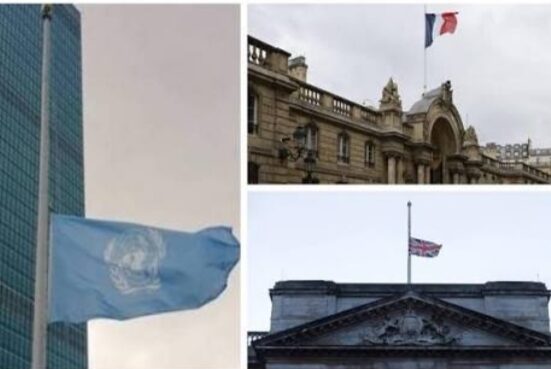
Beyond Bamenda, attention is turning to how the Holy See may carry forward the substance of the visit. Through its diplomatic channels at the United Nations, the Vatican—represented by Archbishop Gabriele Caccia—is expected to continue emphasizing themes raised during the trip: justice, accountability, and the human cost of prolonged conflict.
Discussions in international forums may increasingly reflect: A shift from general appeals for dialogue toward clearer calls for accountability
Renewed focus on humanitarian impact and protection of civilians. Greater scrutiny of how mediation processes are structured and who is represented. While the exact course remains to be seen, the visit has undeniably elevated the issue within global diplomatic circles.
A Divided International Response
Reactions beyond the region have underscored the complexity of the moment. Statements attributed to Donald Trump reflect skepticism in some political quarters regarding the Pope’s approach, particularly where moral messaging intersects with questions of sovereignty and security.
At the same time, faith communities and human rights advocates have largely welcomed the Pope’s emphasis on dignity, justice, and dialogue, viewing it as a necessary moral intervention.
A Fragile Moment
The events of the day have left behind a dual reality. On one hand, the visit brought global attention, moral clarity, and renewed focus on the lived experience of those affected by the conflict. On the other, it has heightened expectations—and, with them, uncertainty about how different actors may respond.
What Lies Ahead
As night falls over Bafut and its surrounding communities, the situation remains uncertain. The Pope’s words have traveled far beyond Bamenda. Whether they translate into restraint, renewed dialogue, or further tension will depend not on what was said—but on what follows.
For now, the region waits, aware that moments like this can mark either a turning point—or a missed opportunity.
Timothy Enongene
Guest Editor-in-Chief, On Special Assignment, Bamenda