

A question that cannot be managed, spun, or silenced: If power knows the truth— if it has heard it, seen it, and been confronted by it— what does it do next? Because after today, ignorance is no longer an excuse. Only choice remains.
By Ali Dan Ismael Editor-in-Chief The Independentistnews
BAMENDA, 16 April 2026 — There are moments when history does not whisper. It speaks—clearly, publicly, and without permission. Today in Bamenda was one of those moments.
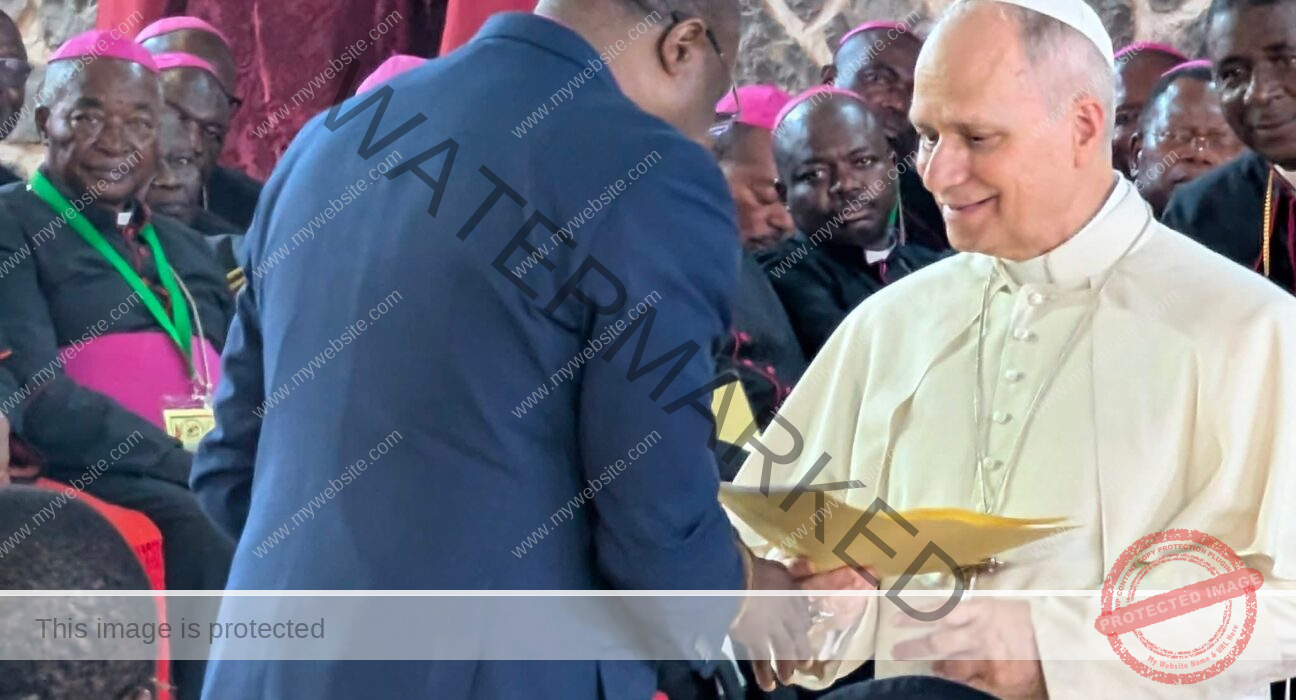
What unfolded was not merely a pastoral visit by Pope Leo XIV. It was a direct collision between truth and power—between a people who have buried too many of their own, and a system that has long demanded silence as the price of survival. And for once, the silence broke.
THE AIRPORT: WHEN THE MASK FAILED
Under the heat of Bamenda’s open sky, the carefully constructed narrative collapsed. Not through protest. Not through rebellion. But through acknowledgment.
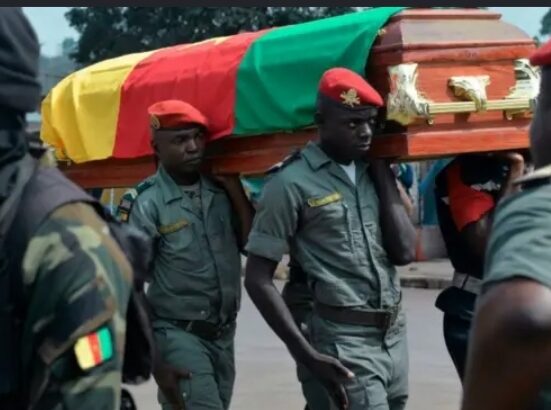
When the Pope looked out at a sea of black—men, women, mothers, widows—he did not call it symbolism. He called it what it is: history written in grief. “I see the black you wear,” he said.
That single sentence did what years of state propaganda could not prevent: it validated reality. Not “unrest.” Not “banditry.” Not “isolated incidents.” But suffering. And once suffering is named, the machinery of denial begins to crack. Because power can survive accusation. It cannot survive recognition.
BIG MANKON: WHEN AUTHORITY WAS DEFINED—AND EXPOSED
If the airport was acknowledgment, the cathedral was indictment. Inside St. Joseph’s in Big Mankon, with officials seated in rigid composure and armed presence visible beyond the doors, the Pope did not negotiate language. He defined power. And in doing so, he exposed its failure. “Power that relies on silencing its people weakens itself.” There was no need to name names. Everyone in that room understood. Because when a system must choose between listening to its people or controlling them, and it chooses control—it has already confessed its insecurity. And when sovereignty must be enforced at gunpoint, it is no longer sovereignty. It is fear, dressed as authority.
THE THEATRE OF “MEDIATION”
Then came the familiar script. Closed-door meetings. Carefully selected “civil society.” Approved voices. Managed optics. The architecture of controlled dialogue. But even here, the illusion did not hold. Because the people are no longer blind to representation that does not represent them.
Organizations presented as neutral are seen for what they are. Structures presented as inclusive are recognized as filtered. And once again, the Pope cut through it: “Peace is not built behind closed doors alone.” That was not a suggestion. It was a rejection of the entire theatre. Because peace that excludes the people is not peace. It is administration.
WHAT CHANGED TODAY
Let us be clear: no law was signed. No ceasefire declared. No agreement reached. And yet, something far more dangerous occurred. The narrative shifted.
For years, the struggle has been reduced, distorted, and dismissed—packaged in language designed to minimize, obscure, and deflect. Today, on one of the most visible stages in the world, that language failed. The grief was seen. The contradiction was exposed. The moral question was restored. And once a moral question is restored, it does not disappear. It follows power. It shadows decisions. It demands answers.
THE QUESTION POWER CANNOT ESCAPE
Now the visit ends. The delegations will depart. The statements will be issued. The machinery will attempt to reset. But something remains. A question that cannot be managed, spun, or silenced: If power knows the truth— if it has heard it, seen it, and been confronted by it— what does it do next? Because after today, ignorance is no longer an excuse. Only choice remains.
And history is built on what power chooses to do
when it can no longer pretend it does not know. This is not the end of a visit. It is the beginning of accountability.
Ali Dan Ismael Editor-in-Chief The Independentistnews