







News analysis

Southern Cameroons Has the Right to Commemorate Its Independence of 1st October 1961: A Philosophical Argument

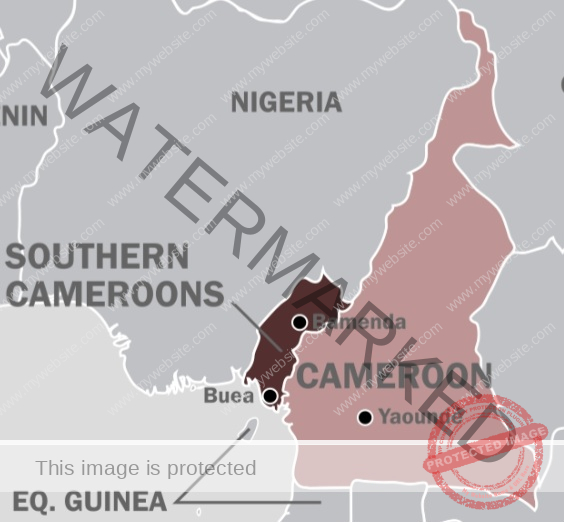
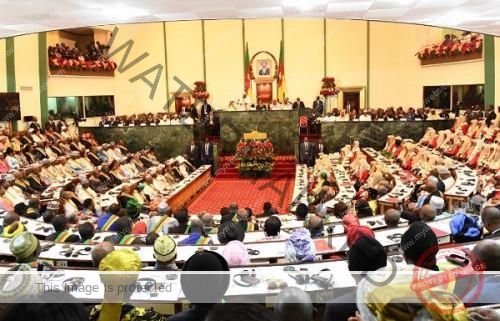
Logic, boundary treaties, and United Nations resolutions converge on a single point. 1st October 1961 marks the independence of Southern Cameroons as a distinct people and territory, entitled to freely commemorate that date. By Abdulkarim Ali contributor to The Independentist News 1st October 2026 As Amazon associate this site earns from qualifying purchases Get books
Read More
Commentary

SEPTEMBER 29, 1789 — THIS DAY IN AMERICAN HISTORY: What Ambazonia Can Learn From the Day America Put Its Army on Constitutional Footing

The United States did not merely inherit soldiers. It brought those soldiers within its emerging constitutional order. That may be the most useful lesson from that day for contemporary Ambazonian nation-building discussions: The struggle to establish a country and the discipline required to govern one are not the same task. The first may create an

Read More
News analysis

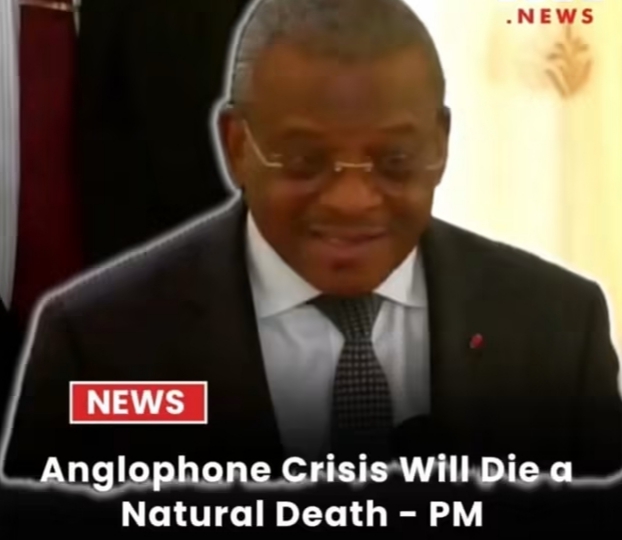
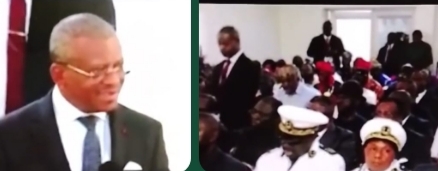
Yaoundé’s Desperate Illusion: Decoding Dion Ngute’s Psychological Warfare in Buea

Dion Ngute came to Buea projecting confidence that time is working in Yaoundé’s favor. History will determine whether that confidence was justified. But one principle should already be clear: A political question does not acquire a natural death merely because a government declares that its armed expression eventually will. And until the political question itself

Read More
News analysis

BEFORE URBAN SUSPICION BECOMES URBAN CARNAGE: Why Recent Statements by Prime Minister Dion Ngute and Security Restrictions Demand Immediate Civilian-Protection Scrutiny

The international community should make it unmistakable now: The presence of armed fighters in cities cannot become a license for urban collective punishment. And no political narrative—whether described as counterterrorism, counterinsurgency, self-defense or restoration of public order—can place an entire civilian population outside the protection of law. By Lester MaddoxGuest ContributorThe Independentist NewsOakland, California As

Read More
Commentary

The Unfinished Questions of 1961: What the U.N. Records Say About The Southern Cameroons

What happens when the United Nations supervises a people’s passage out of trusteeship, helps define the conditions under which their new political relationship will begin, and then history changes the structure that emerged from that process? Before writing off the institution, Washington should at least understand the files it helped create. For Southern Cameroons, the

Read More
News commentary

Neither in 10-15 Years Nor in Six Centuries: Why the Southern Cameroons Conflict Cannot Die a Natural Death

Time is not a peacemaker. Peace is made by people who choose it. As Nelson Mandela observed: “If you want to make peace with your enemy, you have to work with your enemy. Then he becomes your partner.” By Abdulkarim Ali, Contributor to The Independentist News As Amazon associate this site earns from qualifying purchases

Read More
News analysis

A DIRECT CHALLENGE TO THE MOVEMENT: ANSWERING THE 10-15 YEARS QUESTION

A struggle that relies only on endurance risks allowing time, to become its enemy. A movement that converts endurance into disciplined political capacity changes the equation. After almost ten years, that may be the more important challenge confronting everyone who believes the Southern Cameroons question remains unresolved. By Timothy EnongeneAssociate Editor-in-ChiefThe Independentist News As Amazon

Read More
News commentary

A “Natural Death” After Ten Years? How Dion Ngute’s Remark Risks Reinforcing Investor Fears

The decisive economic question is therefore no longer merely whether this conflict can be expected to “die a natural death.” It is this: How much investment, employment, enterprise and productive capacity will the Southwest lose while waiting for that death to occur? Peace cannot be postponed without economic cost. And capital will not wait forever.

Read More
News commentary

The Illusion of a ‘Natural Death’: Why Yaoundé’s Playbook May Fail in Ambazonia

Political conflicts rarely disappear merely because governments wait long enough. They may change form. Armed organizations may fragment. Leadership may change. Public support may rise or fall. But where fundamental disagreements about political authority, identity, governance and constitutional structure remain unresolved, the underlying dispute can survive long after particular armed formations disappear. By Timothy EnongeneAssociate

Read More
Rebuttal/Response

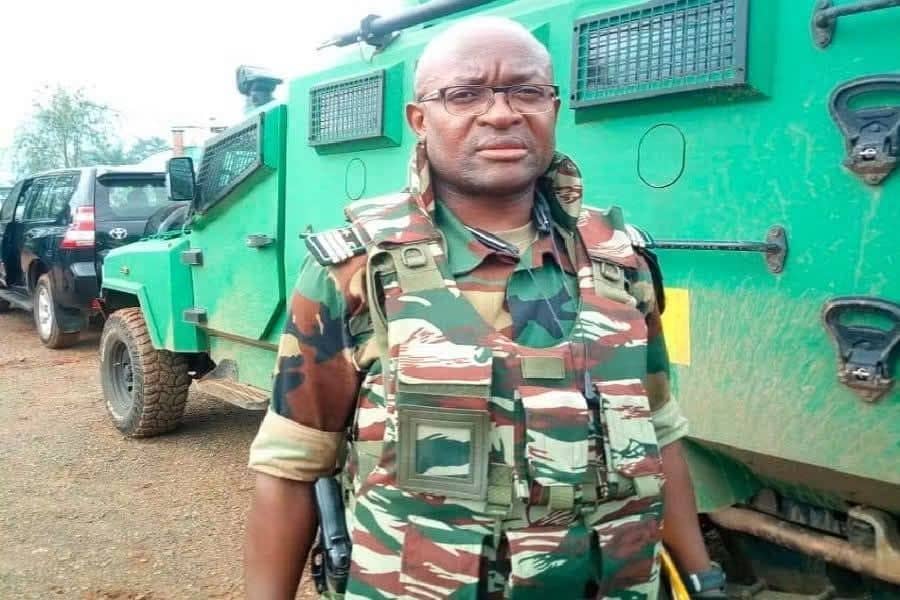
AN AMBAZONIAN RESPONSE TO, Navy Captain Cyrille Serge Atonfack Nguemo: Sir, HUMAN RIGHTS CANNOT BE SELECTIVE

Because once human rights become selective, they cease to be universal. Every victim must matter. Every credible allegation must be investigated. And the political question behind this devastating crisis must eventually be confronted. By Lester MaddoxGuest ContributorThe Independentist NewsOakland, California As Amazon associate this site earns from qualifying purchases By Books on Ambazonian Sovereignty by

Read More