







Editorial series

PROPHECY, POLITICS, AND THE AMBAZONIAN QUESTION (PART II) : Orock Betang, Political Predictions, the need for a Prophecy ledger and the Accountability Question Ambazonians Must Ask

No prophet should be permitted to turn the uncertainty of a suffering people into unquestioned authority. Ask questions. Preserve the videos. Record the dates. Compare predictions with events. Demand explanations. And maintain the ledger. Because if prophecy wishes to participate in politics, prophecy must also accept political accountability. By The Independentist News, Religious and Spiritual

Read More
Editorial commentary

Ubuntu, Connecting with God, and the Crisis of Modern Civilization

Genuine fulfillment emerges through meaningful relationships, service to others, and a sense of belonging to something greater than oneself. A society that loses sight of these truths may continue to accumulate wealth and technological sophistication, yet still experience growing loneliness, anxiety, alienation, and moral uncertainty. By Ali Dan Ismael Editor-in-Chief The Independentist News The African

Read More
Commentary

THE SYSTEMATIC DISMANTLING OF SOUTHERN CAMEROONS: HOW AHIDJO’S CENTRALISATION PROJECT DESTROYED A REGIONAL ECONOMY; How the erosion of West Cameroon’s institutions, infrastructure, and political autonomy produced decades of marginalisation — and the Ambazonian independence struggle

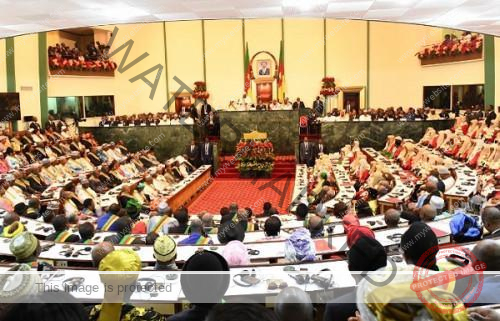
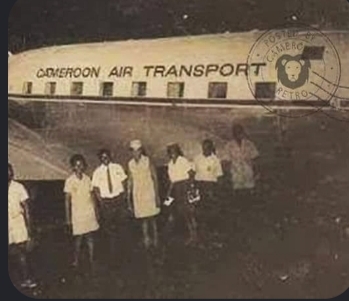
Southern Cameroons did not enter the union without institutions, economic ambitions, or a distinct political identity. The question is what happened to those institutions, who made the decisions that transformed them, and whether successive governments have adequately addressed the consequences. Until those questions are confronted honestly, the historical grievances underlying the Anglophone crisis will remain

Read More
News commentary

NORWAY AND THE TEST OF JUSTICE: THE AYABA TRIAL MUST NOT BE THE END OF ACCOUNTABILITY

The international community must also recognize that accountability is not an attack on a state’s sovereignty. It is a reminder that sovereignty comes with responsibilities — chief among them the responsibility to protect civilians and respect international humanitarian law. If Norway wants the world to take its commitment to impartial justice seriously, it must be

Read More
Commentary

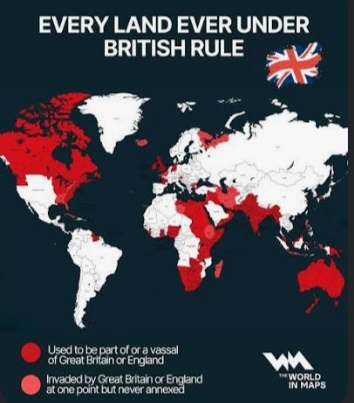
FOUR HUNDRED YEARS OF PLUNDER: CAN AN APOLOGY REBUILD A CIVILIZATION? Britain compensated slave owners. Now it proposes an apology to the descendants of the enslaved.

History records that Britain found £20 million in 1833 to compensate those who lost ownership of other human beings. In 2026, the descendants of those human beings are still debating whether their suffering warrants material compensation. That is the enduring historical obscenity. The distinction between an apology and reparative justice is the distinction between acknowledging

Read More
Editorial

STRATEGIC SILENCE IS NOT WEAKNESS: WHO BENEFITS FROM THE DIVISIONS IN AMBAZONIA?

History will judge political leadership not by the number of ghost towns declared, the intensity of public rhetoric or the prominence of individual personalities, but by its ability to protect the people, preserve political integrity and advance a credible resolution of the conflict. The struggle belongs to the people. Their lives, dignity and future must

Read More
News

OSLO TRIAL OF LUCAS CHO AYABA (II) HE PLEADS NOT GUILTY AS NINE-COUNT INDICTMENT IS READ.

However, the opening statements are only the beginning. The more consequential stages will involve the presentation and examination of evidence, the testimony of witnesses, the scrutiny of the prosecution’s allegations and the defence’s response. With proceedings expected to run until 19 March 2027, there is a lengthy judicial process ahead. The outcome should not be

Read More
Editorial commentary

EMMANUEL NSAHLAI, THE “TERRORIST HUNTER” OF LA RÉPUBLIQUE DU CAMEROUN: WHO SPEAKS FOR THE OTHER VICTIMS?

They must also recognize the possibility that individuals fleeing persecution may legitimately continue peaceful political advocacy abroad. Where evidence establishes criminal conduct, the law must take its course. Where accusations rest merely on political association, nationality or peaceful advocacy, fundamental freedoms must be protected. By Ali Dan IsmaelSenior Editor, The Independentist News YAOUNDÉ – November

Read More
Editorial

OSLO TRIAL OF AYABA CHO LUCAS (I): WHEN THE AMBAZONIA STRUGGLE MEETS INTERNATIONAL JUSTICE

As the trial continues, the world will be watching what happens in Oslo. But the Government of the Federal Republic of Ambazonia is equally waiting for Norway to address the dossier it submitted years ago. Justice must be impartial, comprehensive and consistent. The people of Ambazonia deserve truth, accountability and respect for their right to

Read More
Editorial commentary

AL JAZEERA’S ONE-SIDED CAMEROON REPORT: DDR IS NOT PEACE, AND AMBAZONIA IS NOT FOR SALE!

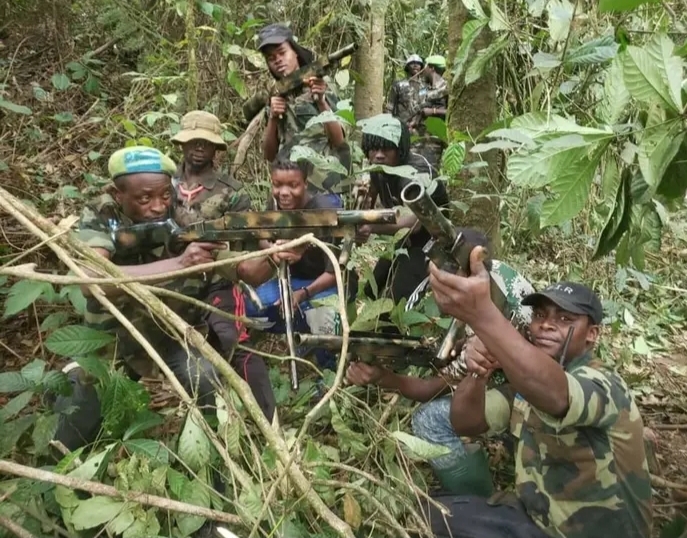
Al Jazeera has an opportunity to move beyond conventional reporting about former combatants caught between hiding and broken promises. It should investigate why they are hiding, who made those promises, why the promises have not been fulfilled and what political and security arrangements would make their return to civilian life genuinely sustainable. By Timothy EnongeneEditor-in-Chief,The

Read More
Letters to the Editor

An Anonymous Ambazonian Patriot writes to The Independentist News on the use of some terminology in communication.

LETTER TO THE EDITOR THE IMPORTANCE OF HISTORICAL PRECISION: ATTEMPTED UNIFICATION IS NOT NECESSARILY LEGITIMATE UNION 24 November 2026 Sir, I wish to draw attention to an important matter of terminology in our public communications concerning British Southern Cameroons (Ambazonia). Words matter, particularly when they concern history, sovereignty, identity, and the legitimacy of political arrangements.

Read More
Editorial Reflection

44 YEARS OF PAUL BIYA: A REPORT CARD UNDER SCRUTINY — TELEVISION PANELLISTS QUESTION CAMEROON’S DEVELOPMENT RECORD

The panellists have reportedly offered their assessments. Historians, economists, constitutional scholars and future generations will bring further evidence to the discussion. Ultimately, the people affected by Cameroon’s political and economic decisions have the greatest stake in understanding the record—and in determining the institutions and policies that will shape their future. By Timothy EnongeneEditor-in-Chief, The Independentist

Read More