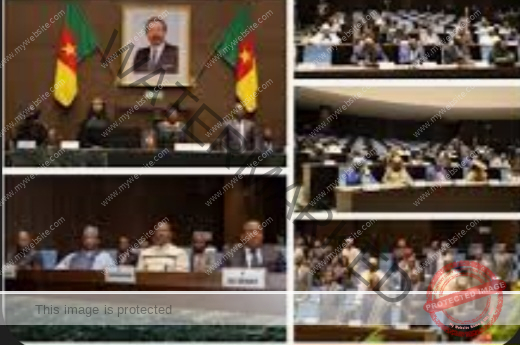


The postponement of elections, the succession debate, recent controversies surrounding state institutions, and growing public uncertainty all point toward a common reality: the country’s political system is entering one of the most consequential periods in its post-independence history. History rarely repeats itself exactly. But it often reminds nations of the lessons they have yet to learn.
By Timothy Enongene. Associate Editor-in-Chief, The Independentist News
A Nation in Political Limbo
YAOUNDÉ — 25 June 2926 — The decision to postpone Cameroon’s municipal and legislative elections until 2027 has intensified debate about the state of the country’s political institutions. While governments often justify election delays on administrative or legal grounds, the timing of this postponement has fueled widespread speculation about the confidence of the ruling establishment.
For many observers, the postponement reflects more than electoral logistics. It highlights a political system navigating an increasingly uncertain future as questions surrounding succession, governance, and institutional stability become more difficult to ignore.
The Shadow of 1984
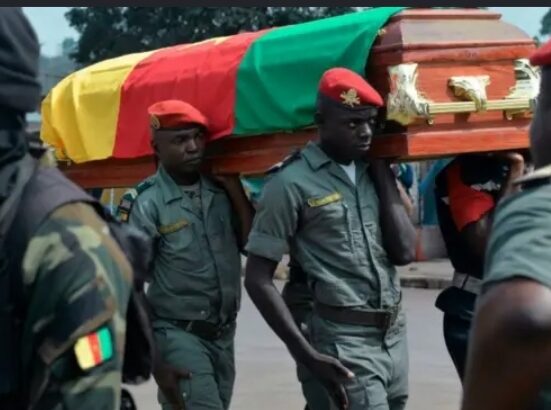
History continues to cast a long shadow over Cameroon’s political life. In April 1984, only two years after assuming the presidency, Paul Biya survived a failed coup attempt that nearly altered the course of the nation’s history. That event profoundly shaped the political culture of the state. Security, centralized authority, and strict control over political institutions became defining characteristics of the years that followed. More than four decades later, memories of that traumatic episode continue to influence how power is exercised in Yaoundé.
The Politics of Suspicion
Political systems built upon highly centralized authority often become increasingly cautious during periods of uncertainty. When succession remains opaque, rumors multiply. Institutions become defensive. Political loyalty assumes greater importance. Every unexpected event is scrutinized for possible political implications.
Whether these perceptions accurately reflect internal realities is difficult to determine from the outside. Yet what is undeniable is that public confidence declines when political processes become less transparent and constitutional timetables become increasingly flexible.
The postponement of elections has therefore reinforced the impression that Cameroon is entering a period of heightened political uncertainty.
Elections and Institutional Confidence
Regular elections perform more than a constitutional function. They reassure citizens that political competition remains possible and that institutions continue to operate according to established rules.
When elections are delayed, even for legitimate reasons, governments assume an additional responsibility to explain their decisions openly and convincingly.
Absent such confidence, postponements are easily interpreted through the broader political context, particularly in countries where succession remains unresolved.
A System Facing Its Own Questions
Cameroon’s greatest challenge today may not be opposition parties, economic difficulties, or international criticism. It may be the growing uncertainty surrounding the future of the political system itself.
As President Paul Biya enters the later years of his presidency, questions regarding institutional continuity have become increasingly unavoidable. Yet public discussion of succession remains limited, leaving speculation to fill the vacuum created by official silence. History demonstrates that uncertainty often becomes a political force in its own right.
Lessons from the Past
The lesson of 1984 was that institutions dependent upon extraordinary security measures often carry the memory of past crises long into the future. The lesson of 2026 may prove different. Modern political stability depends not only upon security but also upon public confidence, transparent institutions, constitutional certainty, and credible democratic processes.
Strong states are not those that merely survive moments of uncertainty. They are those whose institutions inspire confidence regardless of who occupies the highest office.
The Road Ahead
Whether today’s political tensions ultimately lead to reform, continuity, or deeper instability remains uncertain. What is increasingly clear, however, is that Cameroon stands at an important historical crossroads.
The postponement of elections, the succession debate, recent controversies surrounding state institutions, and growing public uncertainty all point toward a common reality: the country’s political system is entering one of the most consequential periods in its post-independence history. History rarely repeats itself exactly. But it often reminds nations of the lessons they have yet to learn.
— Timothy Enongene
Associate Editor-in-Chief, The Independentist News