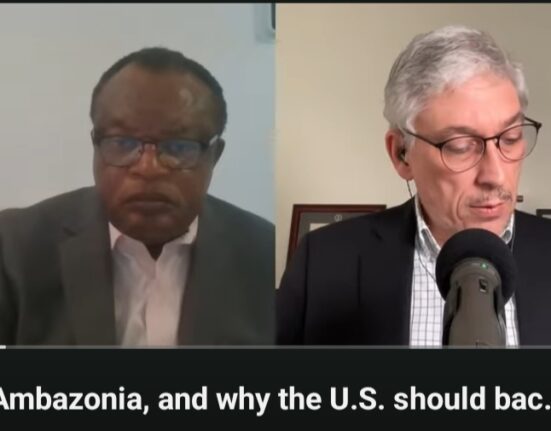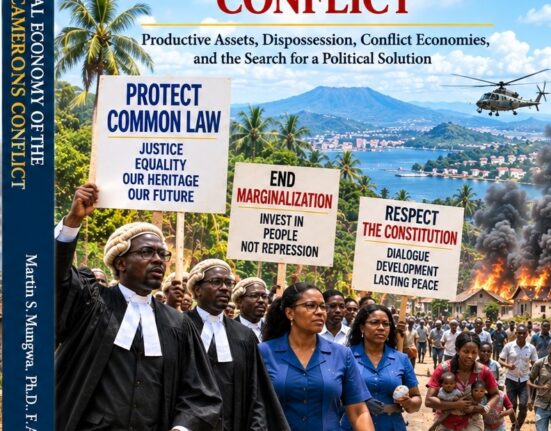


In a world crowded with competing crises, Ambazonia’s challenge remains clear. We must continue telling our story, defending our rights, and advancing our cause with the same determination that has sustained our people throughout this long and difficult journey. The world may be focused elsewhere today. Our responsibility is to ensure that Ambazonia remains impossible to ignore tomorrow.
By Ali Dan Ismael Editor-in-Chief The Independentist News
As leaders of the world’s most powerful nations gather for the G7 Summit in france, much of the world’s attention is focused on the wars in Ukraine and the Middle East, tensions between major powers, and efforts to stabilize an increasingly volatile international order. The emerging diplomatic breakthrough between the United States and Iran has further elevated discussions about conflict resolution, regional stability, and the future of global diplomacy.
At first glance, these developments may appear distant from the realities facing the people of Ambazonia. Yet they offer important lessons about the international environment in which our struggle for self-determination continues to unfold.
A World Focused on Major Geopolitical Crises
The reality of international politics is that global attention is rarely distributed equally. Major powers naturally focus on conflicts that directly affect their security, economic interests, and strategic influence. Today, Ukraine, Iran, Russia, China, and the broader Middle East dominate diplomatic conversations and media headlines.
Meanwhile, the conflict in Ambazonia remains one of Africa’s most underreported and least understood crises. Despite years of armed conflict, widespread displacement, destruction of communities, and severe disruptions to education and economic life, the suffering of our people rarely receives the international attention it deserves.
This is not because our struggle lacks legitimacy or importance. Rather, it reflects the harsh reality that international attention is often driven by geopolitical calculations rather than moral urgency alone.
The Significance of the U.S.–Iran Diplomatic Breakthrough
The emerging agreement between the United States and Iran is perhaps the most significant diplomatic development of the moment. After years of hostility, threats of escalation, and military confrontation, both sides appear willing to explore a negotiated path forward. For Ambazonians, this development carries an important lesson.
It demonstrates that even the most difficult conflicts cannot be resolved solely through military means. History repeatedly shows that wars may create leverage, but lasting solutions are ultimately achieved through political engagement, negotiation, and diplomacy. The lesson is not that the situations are identical. They are not. The lesson is that dialogue remains indispensable in resolving conflicts that have reached prolonged stalemate.
If powerful nations that have spent decades confronting one another can eventually return to the negotiating table, then the principle that political problems require political solutions remains as relevant in Ambazonia as it is anywhere else in the world.
The Limits of Military Solutions
For nearly a decade, the conflict in Ambazonia has demonstrated the limitations of military approaches. The Cameroonian government has been unable to extinguish the aspirations of the Ambazonian people through force. Likewise, the realities of the conflict have shown that sustainable peace cannot emerge from military operations alone. The persistence of the conflict, despite years of confrontation, underscores a truth that many observers have long recognized: the root causes of the crisis are political and therefore require political remedies.
The international community’s growing emphasis on diplomacy in other conflicts should encourage renewed conversations about mediation, dialogue, and internationally supported efforts to achieve a just and durable resolution.
The Danger of Being Overlooked
At the same time, Ambazonians must recognize a challenge posed by these global developments. As major powers devote their energy and resources to crises in Ukraine, the Middle East, and elsewhere, smaller conflicts risk becoming increasingly marginalized. Diplomatic bandwidth is limited. Media attention is finite. Humanitarian resources are stretched. This means that Ambazonia cannot afford to wait for the world to discover our cause on its own.
We must continue to document realities on the ground, engage policymakers, strengthen relationships with human rights organizations, and build strategic alliances that keep our struggle visible in international forums. The absence of Ambazonia from G7 discussions does not diminish the legitimacy of our cause. It simply reinforces the need for sustained advocacy and international engagement.
Lessons for Ambazonian Advocacy
The G7 Summit and the U.S.–Iran diplomatic process reveal several important truths. First, international politics is driven by interests as much as principles. Second, diplomacy remains a powerful instrument even in deeply entrenched conflicts.Third, no struggle can depend entirely on international goodwill. Effective advocacy requires persistence, organization, and strategic engagement.
Ambazonians must therefore continue to expand their diplomatic footprint, engage influential stakeholders, and articulate why peace, justice, and self-determination in Ambazonia should matter to the international community.
Looking Ahead
The struggle for Ambazonia extends beyond the battlefield. It is also a struggle for recognition, legitimacy, diplomacy, and international solidarity. As the world watches negotiations unfold between the United States and Iran and follows discussions among G7 leaders, Ambazonians should draw encouragement from one enduring lesson: conflicts that seem impossible to resolve are not necessarily permanent. Diplomatic opportunities can emerge where few expect them. But opportunities favor those who are prepared.
In a world crowded with competing crises, Ambazonia’s challenge remains clear. We must continue telling our story, defending our rights, and advancing our cause with the same determination that has sustained our people throughout this long and difficult journey. The world may be focused elsewhere today. Our responsibility is to ensure that Ambazonia remains impossible to ignore tomorrow.
Ali Dan Ismael Editor-in-Chief The Independentist News