



For Ambazonians, these developments offer important lessons. The struggle for self-determination exists within a broader transformation occurring across Africa and the world. Understanding this changing environment will be essential for navigating future challenges and opportunities.
By Giorgio Spagnol
Adapted and Presented by Ali Dan Ismael for The Independentist News
Introduction
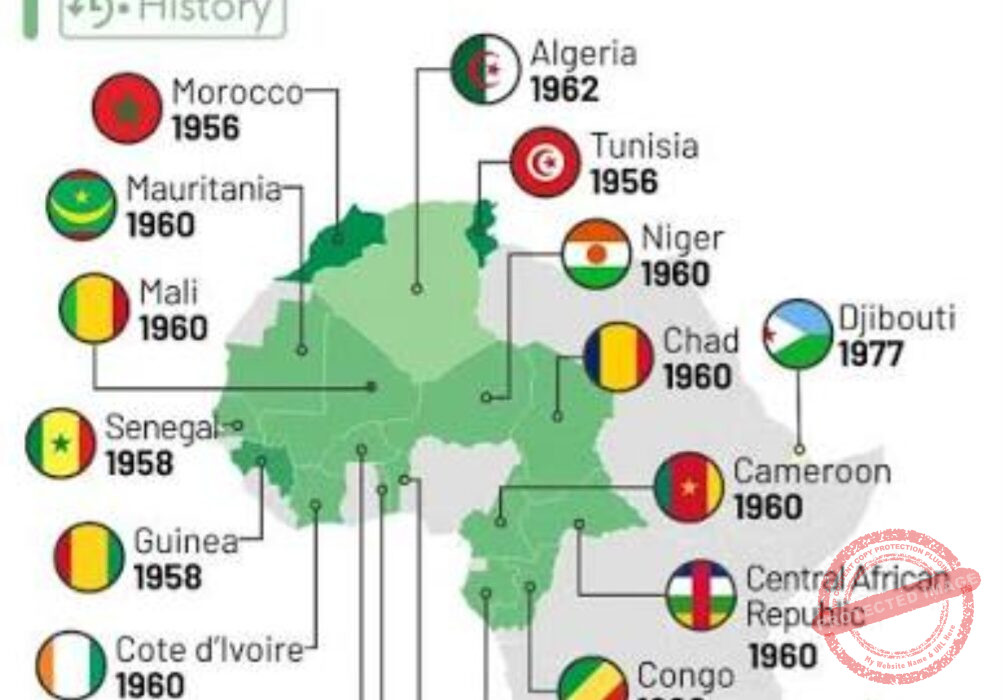
For more than sixty years after formal decolonization, France maintained extraordinary influence over many African states through political alliances, military agreements, economic control, and support for friendly regimes. This system became known as Françafrique.
Today, however, that system is showing signs of collapse. Military coups in Mali, Burkina Faso, Niger, and Gabon have challenged governments closely aligned with Paris. French military forces have been expelled from several countries, while Russia, China, Iran, and other emerging powers have expanded their presence.
These developments signal more than a regional political crisis. They represent a major shift in Africa’s geopolitical landscape and raise important questions about sovereignty, self-determination, and the future of African nations.
For Ambazonians, understanding these changes is essential because they reveal how international power structures are evolving and how liberation movements must adapt to a rapidly changing world.
The Rise and Fall of Françafrique
Although African colonies gained independence during the 1950s and 1960s, France retained significant influence through economic arrangements, military cooperation, and political networks. French companies maintained privileged access to strategic resources, while Paris often supported leaders who protected French interests.
The CFA Franc system became one of the most visible symbols of this relationship. Critics argued that it limited economic sovereignty and preserved dependency on France.
For decades, this model appeared stable. Today, growing popular dissatisfaction and repeated military coups suggest that many Africans increasingly reject these arrangements.
The Sahel Revolt
The countries of Mali, Burkina Faso, and Niger have become the center of resistance against French influence. Military governments in these states have accused France of failing to provide security while continuing to exert political influence. Large segments of the population have supported the removal of French troops and demanded alternative partnerships. The result has been a dramatic restructuring of alliances across the region.
Russia’s Return to Africa
As French influence declined, Russia moved aggressively to expand its presence.. Through military cooperation agreements, security partnerships, and the activities of the Wagner Group and Africa Corps, Moscow established itself as an important player in several African countries. Many governments view Russia as an alternative to traditional Western partners. Whether this represents genuine independence or merely a new form of dependency remains a subject of debate.
China’s Expanding Role
China’s influence has grown primarily through infrastructure projects, investment, trade, and development financing. Unlike Western donors, China generally avoids attaching political conditions to its assistance. This approach has made Beijing an attractive partner for many African governments. China’s growing presence demonstrates that Africa is increasingly becoming an arena of global competition among major powers.
Lessons for Ambazonia
Several important lessons emerge from these developments. First, international politics is becoming increasingly multipolar. Power is no longer concentrated exclusively in Western capitals. Second, movements seeking self-determination must understand the changing balance of global influence and identify opportunities within it. Third, anti-colonial narratives continue to resonate strongly across Africa. Questions of sovereignty, identity, and self-government remain central political issues. Finally, history demonstrates that political systems once considered permanent can change rapidly when they lose legitimacy.
Conclusion
The decline of Françafrique marks the end of an era in African politics. New actors are emerging, old alliances are weakening, and the continent is becoming a central arena of global competition.
For Ambazonians, these developments offer important lessons. The struggle for self-determination exists within a broader transformation occurring across Africa and the world. Understanding this changing environment will be essential for navigating future challenges and opportunities.
Adapted for educational and strategic discussion purposes by Ali Dan Ismael.