






FOUNDATIONS OF AMBAZONIAN RECONSTRUCTION — PART V: Faith, Culture, and Identity: The Soul of a Nation
A people grounded in faith, rooted in culture, and confident in their identity cannot be easily shaken. Ambazonia must protect its soul as
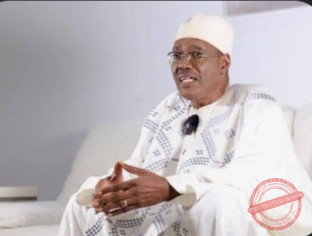
The grounding of a Prime Minister at the point of departure is an unusual event in any political system. In a centralized and
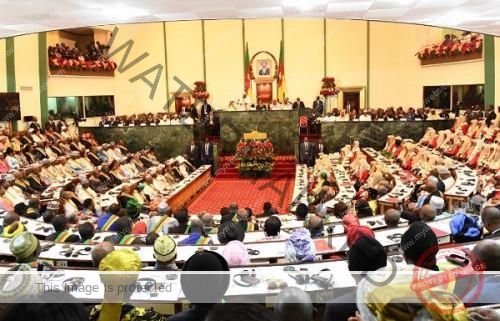
The recent changes in Cameroon’s National Assembly are not best understood as the beginning of a reform cycle. They are part of a
The evolving language used to describe the situation in Cameroon’s Northwest and Southwest regions is not incidental. It reflects the intersection of media
If representation can be effectively removed from the management of national resources—such as electricity—then the argument that the Anglophone crisis is administrative rather
What appears as disorder can function as cover. What appears as confusion can serve as protection. The challenge for the international community is
The international community must resist the temptation to interpret this moment as a natural political evolution. It is not. What is being presented
Regions matter when they: reduce risk, support flow stabilize systems. Ambazonia’s future depends on entering that framework. Not as disruption. But as continuity.
Ambazonia’s role within that corridor is not yet fully defined. But its position is clear. The question is not whether it matters. It
The Vatican’s Quiet Signal: Why Pope Leo XIV’s Visit May Mark a Turning Point for Cameroon A Subtle Diplomatic Shift That Could Reshape International Perceptions of Governance, Legitimacy, and the Conflict in Ambazonia
Whether intentionally or not, Pope Leo XIV may have accelerated that transition in global perception. The visible structures of power in Cameroon remain