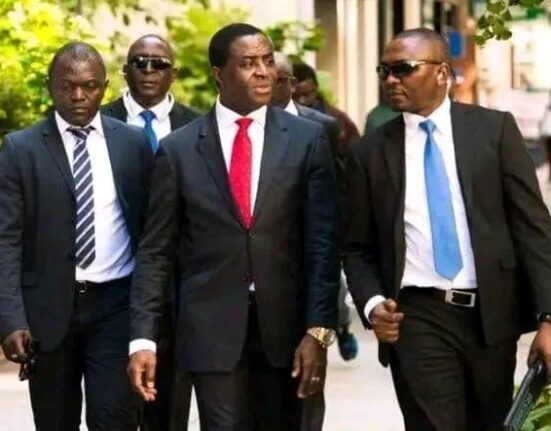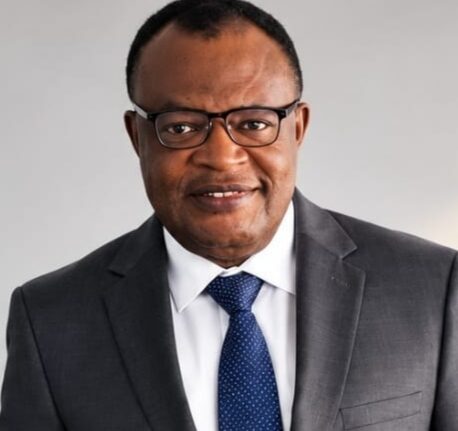


Barrister Fru John Nsoh’s role illustrates one important dimension of the struggle—legal advocacy and international engagement. Whether this approach yields decisive outcomes remains to be seen, but its significance cannot be dismissed
By Lester Maddox, Guest Contributor, Independentist News, Oakland County, California. April 1, 2026
Recent reporting by The Guardian Post suggesting “abandonment” within Ambazonian leadership has sparked concern and debate among supporters of the struggle. While such claims deserve scrutiny, they must also be weighed against observable realities. In the case of Barrister Fru John Nsoh, the evidence points not to retreat, but to continuity of purpose under evolving circumstances.
A Leader on the International Stage
Barrister Fru John Nsoh is not absent from the struggle; rather, his role has shifted to arenas where legal and diplomatic engagement are critical. Currently based in the United States, he remains an active Cabinet Member within the Government of the Federal Republic of Ambazonia.
His work as Lead Counsel at the International Criminal Court (ICC) reflects a strategic dimension of the struggle—one that seeks accountability through international legal mechanisms. While the outcomes of such efforts are often gradual and complex, they represent an important front in documenting alleged violations and amplifying the Ambazonian case globally.
In addition, his regular appearances on ABC Amba TV continue to provide visibility and reassurance to grassroots supporters that the legal and political dimensions of the movement remain active.
Navigating Internal Challenges
It is equally important to acknowledge that the movement, like many protracted struggles, has experienced internal disagreements, shifting alliances, and differing strategic approaches. Public criticism of certain figures, including Boh Herbert, reflects these tensions.
However, in assessing such situations, caution is warranted. Allegations of “sellout” or disengagement, while serious, are often difficult to verify conclusively from the outside. What remains clear is that fragmentation within any liberation movement can weaken its overall effectiveness if not carefully managed.
At the same time, Barrister Fru’s continued visibility and consistency of message have positioned him, in the eyes of many supporters, as a steady and outspoken advocate for the cause.
A Decade of Resistance
Nearly a decade into the crisis, the endurance of the Ambazonian movement is itself a significant development. Early assumptions that the conflict would be short-lived have proven inaccurate.
The persistence of the struggle reflects: Deep-rooted grievances A sustained sense of identity
A refusal by many to accept the status quo. However, longevity alone does not guarantee success. It also places a responsibility on leadership to adapt strategies, maintain unity, and engage effectively at both grassroots and international levels.
Looking Forward
For supporters of the Ambazonian cause, the path forward requires both conviction and clarity. Confidence in leadership must be accompanied by a willingness to ask difficult questions, strengthen institutions, and avoid narratives that may oversimplify complex realities.
Barrister Fru John Nsoh’s role illustrates one important dimension of the struggle—legal advocacy and international engagement. Whether this approach yields decisive outcomes remains to be seen, but its significance cannot be dismissed.
Ultimately, the strength of the movement will depend not only on individual figures, but on collective discipline, strategic coherence, and the ability to sustain both internal credibility and external legitimacy.
The road ahead remains uncertain, but the commitment of many—within and beyond leadership—continues to shape its direction.
Lester Maddox, Guest Contributor, Independentist News,