




This is no longer a moment for careful positioning. It is a moment of alignment. Not in statements.
Not in ceremonies. But in visible, unmistakable posture. The people of Ambazonia are watching. Not for words. But for where the Church stands when it matters most.
By Ali Dan Ismael, Editor-in-Chief The Independentistnews
History does not tolerate ambiguity for long. Sooner or later, every institution is forced to answer a single, unforgiving question: Whom do you truly serve? On April 20, a line was drawn—not in Bamenda, not in Yaoundé, but in Rome.
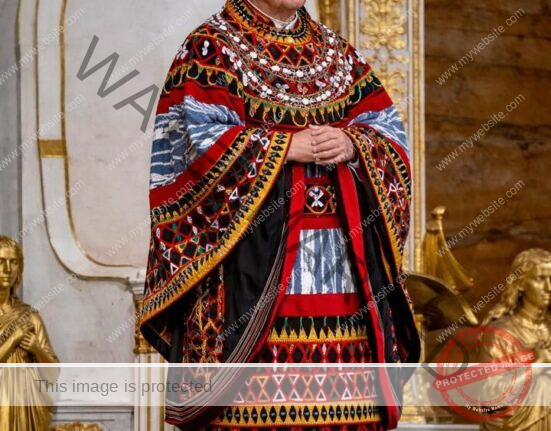
When Pope Leo XIV warned African clergy to reject privilege, resist arrogance, and remain rooted among the people—especially the poor, he was not offering a gentle homily. He was issuing a doctrinal test. A standard. A reckoning. And that reckoning travelled. It landed. And it collided with reality.
Yaoundé: The Theatre of Control
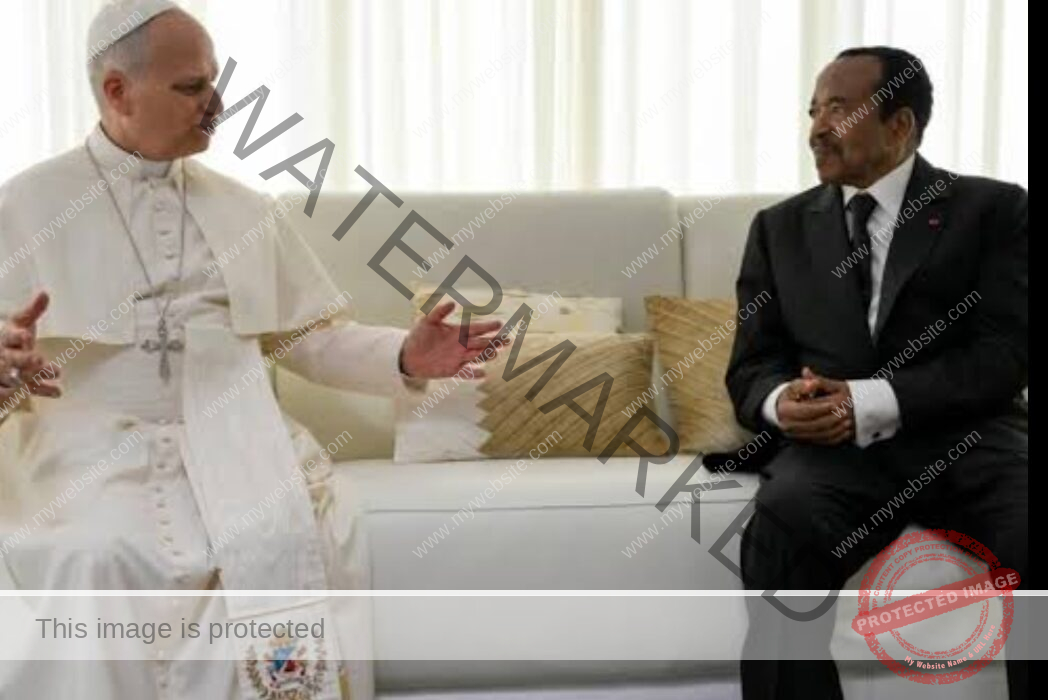
In Yaoundé, the Pope’s message entered a carefully choreographed environment—one where optics matter as much as substance. There, the language of peace and unity was welcomed with polished smiles and diplomatic applause. The state understood exactly what to do: embrace the message publicly while containing its implications privately.
But even within that controlled theatre, something slipped through. The warning against privilege could not be fully disguised. It lingered—uncomfortable, unresolved—beneath official speeches. It quietly unsettled a system long accustomed to a close, mutually beneficial distance between altar and authority. In Yaoundé, the message was managed. But it was not neutralized.
Bamenda: Where Words Became Judgment
In Bamenda, there were no velvet cushions to absorb the impact. Here, the Pope’s words did not land on ceremony—they landed on consequence. They met: Villages marked by fear and uncertainty, Families reshaped by displacement and loss, A population whose lived reality contradicts official narratives. And in that collision, the message changed form. What sounded like guidance in Yaoundé became judgment in Bamenda.
When the Pope spoke of a “cycle of destabilisation and death,” the people did not interpret—they recognized. When he warned clergy not to separate themselves from the people, they did not reflect—they measured. Measured the distance. Measured the silence. Measured the posture. And in that moment, the Church itself entered the field of scrutiny.
The Shockwave No One Could Contain
The impact in Bamenda was not loud. It did not need to be. It moved quietly: Through parish conversations. Through private reflections among clergy. Through the growing expectation that moral authority must now be visible, not implied. The faithful heard something unmistakable: If the Church belongs to the suffering, it must stand where suffering lives. That expectation is no longer negotiable. It is now anchored in the Pope’s own words.
A Doctrine That Exposes
For years, the conflict has been fought not only with weapons, but with language—carefully measured, deliberately cautious language designed to maintain balance. But balance has limits.
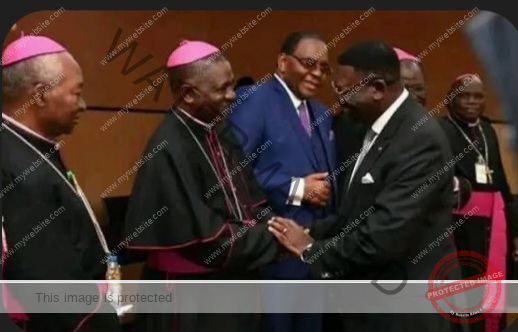
The Pope’s instruction is not compatible with: Comfortable neutrality, Strategic silence and Perceived proximity to power at the expense of the afflicted. That is where the tension becomes unavoidable. Figures such as Andrew Nkea Fuanya now find themselves under an intensity of public scrutiny that did not exist before.
Across the North West and South West, the faithful are no longer whispering. They are asking—openly, directly: Can a shepherd remain credible while appearing aligned with structures accused of inflicting harm? Can moral authority survive without visible advocacy for those who suffer daily? At what point does restraint become indistinguishable from acquiescence? These are not abstract questions. They are questions born of lived experience.
The End of Distance
The era of comfortable distance is over. In times of stability, neutrality can be defended as wisdom.
In times of sustained suffering, neutrality is judged by its impact. And the impact is visible. Homes lost.
Communities fractured. Lives reduced to numbers debated in distant rooms.
Against that backdrop, the Pope’s words do something dangerous to the status quo: They remove the language that once protected ambiguity. A Mirror That Cannot Be Avoided. Rome has not issued an accusation. It has done something far more powerful. It has held up a mirror. And mirrors do not argue. They do not persuade. They do not soften. They reveal.
If the Church is perceived as too close to power, that perception now stands in direct contradiction to the Pope’s instruction. If it is seen as cautious where courage is required, that caution now carries consequence. The contradiction is no longer subtle. It is visible.
The Collapse of Moral Ambiguity
In Bamenda, the Pope’s words did not echo—they settled. They settled in the silence of widows. They settled in the memory of burned homes. They settled in the quiet question every believer now carries: If the Church will not stand fully with us in our suffering—then where, exactly, does it stand? That question no longer belongs to activists. It belongs to the people. And once a question belongs to the people, it cannot be managed, delayed, or diplomatically reworded.
The Cost of Perception
Figures such as Andrew Nkea Fuanya are no longer evaluated only by statements or sermons. They are now measured against something far more unforgiving: The visible distance—or proximity—between the Church and the suffering population. Because in moments like this, perception is not superficial. Perception becomes moral reality. And moral reality shapes history.
Rome Has Removed the Shield
Pope Leo XIV has done something subtle—but irreversible. He has removed the shield of ambiguity. No clergy can now credibly claim: That proximity to power is harmless. That neutrality carries no weight. That silence cannot be interpreted The standard has been set—clearly, publicly, and globally.
Final Verdict
This is no longer a moment for careful positioning. It is a moment of alignment. Not in statements.
Not in ceremonies. But in visible, unmistakable posture. The people of Ambazonia are watching. Not for words. But for where the Church stands when it matters most. And history—cold, patient, and unsparing—will record the answer.
Ali Dan Ismael, Editor-in-Chief The Independentistnews