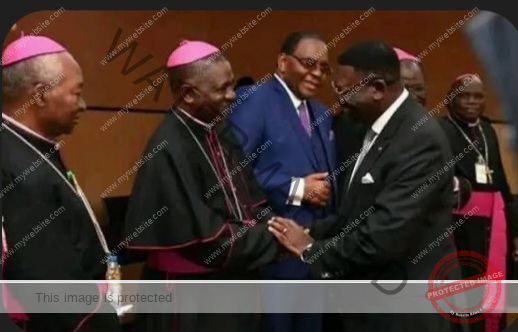



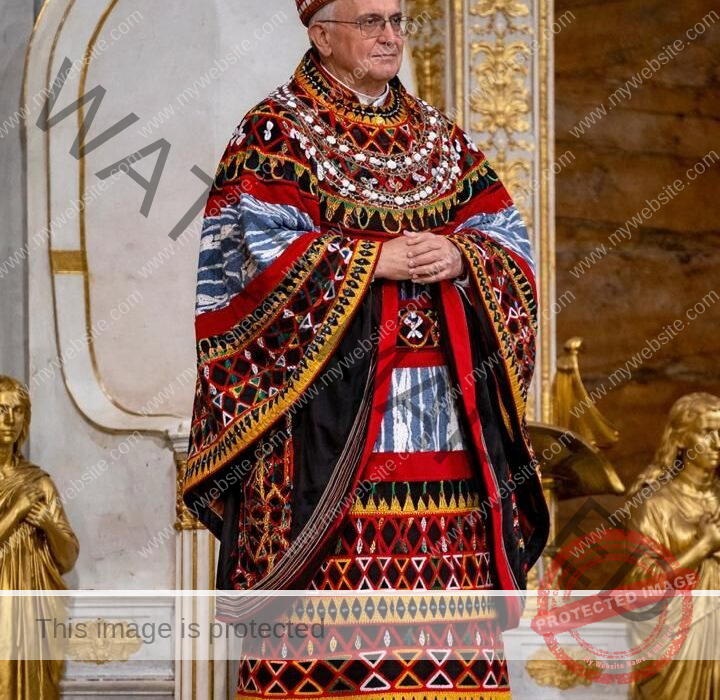


When Pope Leo XIV wore the Atogho in Bamenda, he did not simply don a garment. He stepped into a story, a story of kingdoms, artisans, ancestors, and a people whose cultural brilliance refuses to be dimmed.
BY M C FOLO The Independentistnews contributor
How a Grassfields Regalia Became a Cultural Diplomat
When Pope Leo XIV stepped onto the Bamenda ceremonial grounds wearing the Atogho, the traditional regalia of the North West Region of Cameroon, the world paused. It was a moment stitched with symbolism: a spiritual leader wrapped in the artistry, memory, and dignity of a people whose heritage has too often been overshadowed by conflict and political noise. But the Pope’s gesture did more than honour a culture. It confirmed something Cameroonians have long known: the Atogho is not just an attire, it is a global aesthetic force.
A Regalia Rooted in Royalty, Rising in Global Influence
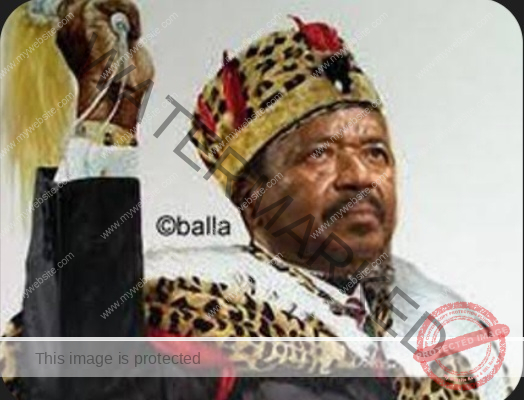
The Atogho is a masterpiece of the Grassfields. Its bold geometric patterns echo palace architecture; its colours carry ancestral authority; its silhouette announces presence. For centuries, it has been worn by chiefs, custodians of tradition, and sons and daughters of the land who understand that identity is a responsibility.
Today, that responsibility has become a global invitation.
When Global Icons Choose the Atogho
The Pope’s appearance in Bamenda is only the latest chapter in the Atogho’s expanding international story. Over the years, the regalia has found admirers in unexpected places, from Hollywood to global music stages.
- Stevie Wonder, captivated by its texture and symbolism, wore a custom Atogho tunic during a pan‑African cultural gala, describing it as “a garment that sings even before the music starts.”
- Eddie Murphy, during a private visit to West Africa, was gifted an Atogho by cultural custodians and later appeared in a televised interview wearing it, praising its craftsmanship and royal bearing.
- Samuel Eto’o has worn the Atogho at international award ceremonies, turning red carpets into cultural runways.
- Boris Kodjoe has showcased it at diaspora events, celebrating its regal silhouette.
- Yvonne Chaka Chaka once performed in an Atogho‑inspired gown, calling it “African royalty woven into fabric.”
- Wyclef Jean has incorporated Atogho motifs into stage outfits, honouring shared Afro‑Caribbean roots.
Each appearance has amplified the same truth: the Atogho is not a costume, it is a cultural ambassador.
Cameroon on the Olympic Stage: A National Dress Code Rooted in the Atogho
In recent Olympic Games, Cameroonian delegations have embraced a national dress code that proudly centres traditional regalia , with the Atogho often taking a leading role. Athletes have marched into stadiums wearing coordinated Atogho‑inspired outfits, transforming the Parade of Nations into a celebration of Grassfields heritage.
These appearances have done more than showcase fashion. They have:
- Asserted Cameroon’s cultural identity on one of the world’s largest stages
- Elevated local artisans whose work now travels globally
- Reinforced the Atogho as a unifying national symbol, transcending tribe and region
In a world where soft power matters, Cameroon’s Olympic attire has become a quiet but potent form of cultural diplomacy.
Why the Pope’s Gesture Still Resonates
Papal attire is never accidental. By choosing to wear the Atogho, Pope Leo XIV:
- Affirmed the dignity of African cultures in a global religious context
- Honoured the resilience of the North West Region, acknowledging its history and humanity
- Elevated the Atogho from cultural treasure to global symbol
In a region marked by struggle, the gesture was pastoral, political, and profoundly human.
The Atogho’s Future: A Global Regalia with Local Soul
For the Atogho to continue its ascent, three commitments are essential:
- Protect the craft, support the weavers and artisans who hold the tradition
- Guard the heritage, ensure global use does not become cultural erasure
- Wear it proudly , Cameroonians must champion the regalia with the same confidence global icons now display
Because the world is already paying attention.
A Final Word
When Pope Leo XIV wore the Atogho in Bamenda, he did not simply don a garment. He stepped into a story, a story of kingdoms, artisans, ancestors, and a people whose cultural brilliance refuses to be dimmed. And when Stevie Wonder, Eddie Murphy, and Olympic delegations follow suit, they are not just embracing fashion. They are affirming that Cameroon’s heritage is not waiting to be discovered, it is ready to lead.
M C FOLO The Independentistnews contributor