

The question, then, is not whether the Commonwealth has a role—but whether it is prepared to exercise it with the clarity and resolve that the situation demands.
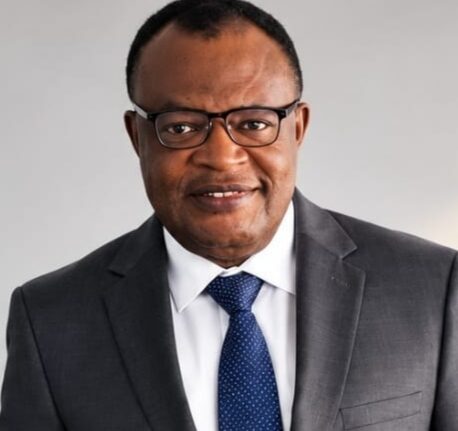
By Lester Maddox
Guest Contributor The Independentistnews
Oakland County, California. 2 April 2026
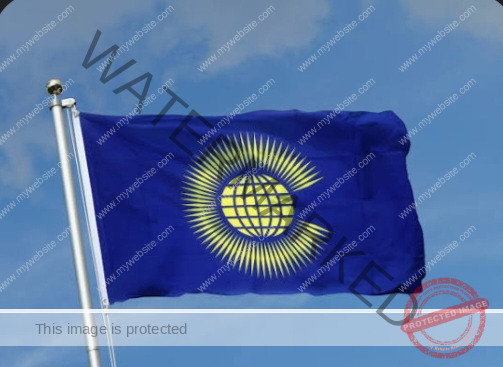
What is the purpose of the Commonwealth today? It is often described as a “family of nations” bound by shared commitments to democracy, human rights, and the rule of law. If those principles are to carry meaning, they must be reflected not only in declarations, but in how the organisation responds to crises among its members.
The situation in Cameroon, particularly the conflict affecting the Anglophone regions, raises difficult questions. Reports from various human rights organisations have documented serious concerns, including allegations of violence against civilians, arbitrary detention, and broader humanitarian impacts. While the full picture remains complex and contested, the scale of concern has been significant enough to warrant sustained international attention.
Against this backdrop, the role of the Commonwealth—and in particular the Commonwealth Secretariat—has come under increasing scrutiny. Critics argue that the organisation’s response has been limited, with the issue receiving less prominence than its stated values might suggest.
It is important to recognise that the Commonwealth operates by consensus and often favours quiet diplomacy over public confrontation. This approach can, in some contexts, facilitate dialogue. However, when crises persist over extended periods, questions naturally arise about whether such methods are sufficient.
The United Kingdom, as one of the most influential members of the Commonwealth, is frequently seen as having a unique role. Yet, influence does not always translate into direct control. Decisions regarding suspension, sanctions, or mediation involve multiple actors and careful consideration of diplomatic consequences.
Still, perception matters. When there is a visible gap between stated principles and observable outcomes, it can create the impression—fair or not—that the organisation is reluctant to act decisively in the face of serious allegations.
For many observers, this is the core issue: not whether the Commonwealth has mechanisms, but whether it is willing to use them when it matters most.
A stronger response could take several forms: Elevating the issue within Commonwealth forums
Supporting credible, neutral mediation efforts
Encouraging adherence to human rights commitments among member states
None of these steps are simple, and none guarantee immediate resolution. However, they would signal alignment between principle and action.
The credibility of any international organisation rests on consistency. If the Commonwealth is to remain relevant as a values-based institution, it must demonstrate that those values apply equally across its membership.
The question, then, is not whether the Commonwealth has a role—but whether it is prepared to exercise it with the clarity and resolve that the situation demands.
Lester Maddox
Guest Contributor The Independentistnews