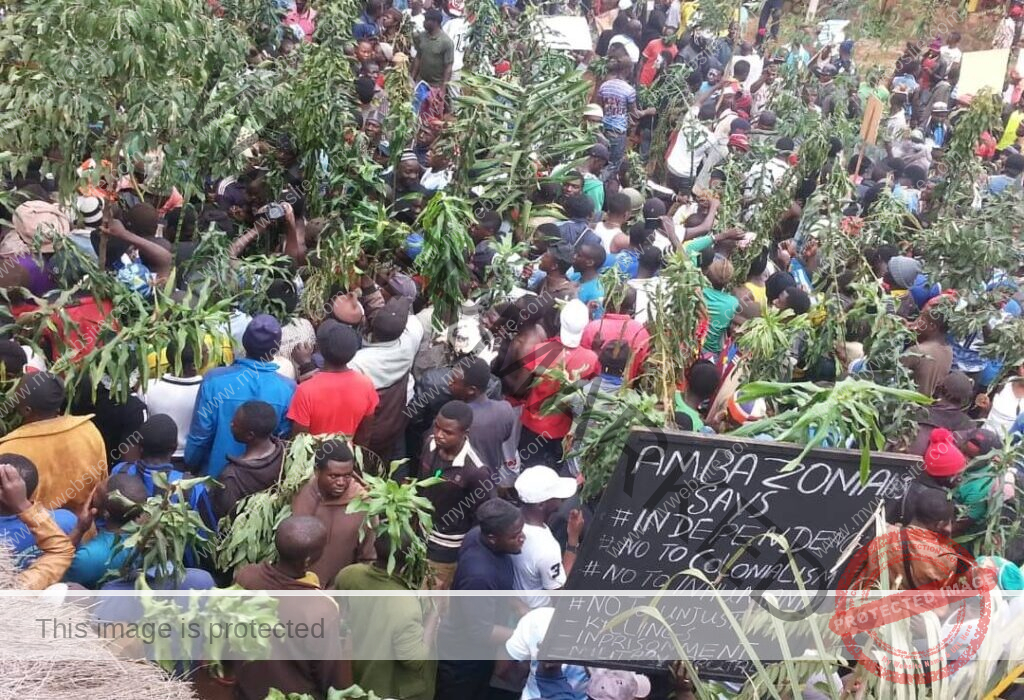


For many Ambazonians, the Home Front has become the symbol of that persistence—a reminder that even in the midst of uncertainty, a society can continue to organize, to endure, and to imagine a future beyond conflict.
By Carl Sanders, Guest Writer The Independentistnews, Soho, London
The language of political struggles often evolves alongside the movements that carry them. In the case of the Ambazonian cause, supporters argue that a similar transformation is underway. Terms once used to describe the harsh realities of conflict are gradually giving way to a new vocabulary centered on resilience, civic responsibility, and community.
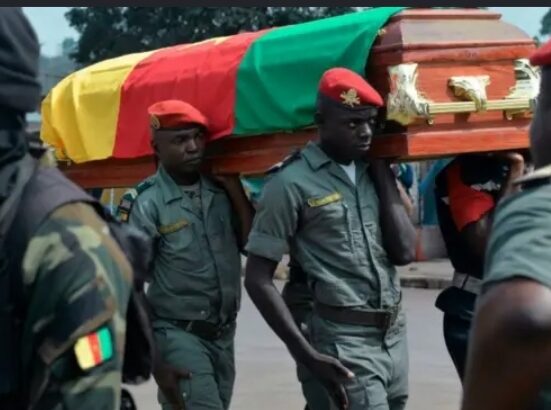
For many advocates of the movement, the shift from the phrase “Ground Zero” to the idea of the “Home Front” reflects this evolution. Where the former captured the intensity and devastation of open confrontation, the latter emphasizes something deeper: the defense of community life itself. In this framing, the struggle is no longer defined solely by battlefields but by the determination of ordinary citizens to sustain their society under extraordinary pressure.
Within the narrative advanced by the leadership associated with Dr. Samuel Ikome Sako, the concept of the Home Front represents the living heart of what supporters call the Federal Republic of Ambazonia. It is the space where families endure, markets reopen, schools struggle to function, and communities attempt to rebuild a sense of normalcy despite the uncertainties of conflict.
A Moment of Transition
Supporters of the Ambazonian movement increasingly view 2026 as a decisive period in the long trajectory of the struggle. After years marked largely by confrontation and survival, many now speak of the need to strengthen the civic foundations of the society they hope will eventually emerge from the conflict.
This call has taken the form of a broader appeal for mobilization—not simply in military terms, but in civic and institutional ones.
Within Ambazonian discourse, the idea of “drafting” has expanded beyond the traditional language of enlistment. It now carries a broader meaning: participation in the collective effort required to sustain communities and imagine a future beyond war.
In this vision, teachers rebuilding educational spaces, entrepreneurs attempting to revive local economies, and community leaders organizing humanitarian support are all participants in the same national endeavor.
The Role of the Diaspora
For the large Ambazonian diaspora scattered across Europe, North America, and Africa, the concept of the Home Front carries a different but equally significant meaning.
Diaspora communities have played a central role in sustaining families through remittances, organizing political advocacy, and keeping international attention focused on the crisis. Their involvement reflects the reality that the struggle is not confined to the geographic territory itself but extends across a global network of supporters.
In this sense, the Home Front stretches far beyond the valleys of Lebialem or the hills of Bui; it includes every community where Ambazonians continue to organize, debate, and envision the future of their homeland.
Building the Foundations of Tomorrow
At its core, the language of the Home Front represents a shift from survival to preparation. It suggests that the struggle is no longer only about enduring the present but also about shaping the institutions that may one day define a new political reality.
Whether through education, civic organization, or community rebuilding, supporters argue that the foundations of tomorrow’s society are already being laid in the actions of ordinary citizens.
A Final Reflection
History shows that the outcome of great political struggles is rarely decided solely in moments of confrontation. More often, it is determined by the quiet persistence of communities that refuse to surrender their sense of identity and purpose.
For many Ambazonians, the Home Front has become the symbol of that persistence—a reminder that even in the midst of uncertainty, a society can continue to organize, to endure, and to imagine a future beyond conflict.
And if a new chapter eventually opens in the story of the land its people call Ambazonia, it will not be written only in the trenches of war, but in the homes, schools, markets, and communities that kept the idea of a nation alive through the longest night.
Carl Sanders, Guest Writer The Independentistnews