

The real question is not whether journalists should report critically on armed separatist factions. Serious journalism requires accountability from all sides. The deeper question is whether neutrality, in profoundly unequal conflicts, can sometimes become a form of political positioning itself.That debate will likely continue long after the guns eventually fall silent.
By Lester Maddox
Guest Contributor, The, Independentist News
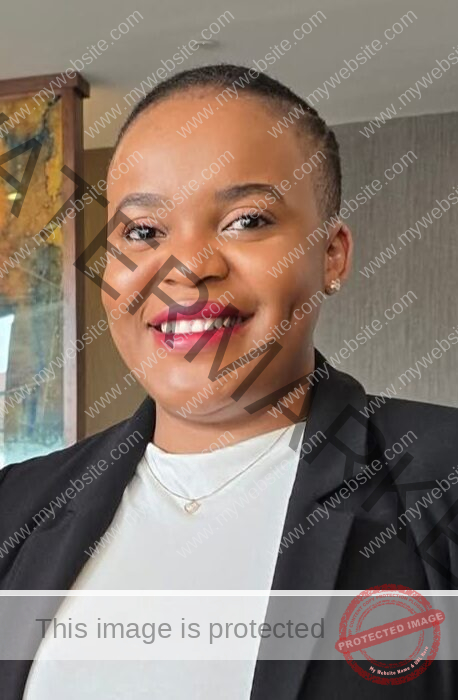
BAMENDA — 15 May 2026 – Few journalists emerged from the early years of the Southern Cameroons conflict with as much visibility, courage, and symbolic weight as Mimi Mefo. At the height of the unrest in 2017 and 2018, when fear dominated public discourse and many media houses carefully navigated state pressure, she distinguished herself through aggressive frontline reporting and an unusually fearless editorial posture.
As a prominent voice associated with Équinoxe TV, she reported on military abuses, village burnings, arbitrary arrests, and the human consequences of the escalating conflict in Southern Cameroons. Her detention in 2018 by Cameroonian authorities transformed her into an international symbol of press freedom and resistance journalism. To many Ambazonians, she represented something larger than journalism itself: proof that truth could still survive inside a collapsing political environment.
But nearly a decade later, an uncomfortable debate has emerged among sections of the Ambazonian diaspora and political community. Has exile transformed one of the conflict’s fiercest journalistic voices into a practitioner of institutional neutrality? And if so, what does that transformation reveal about modern international journalism itself?
The Distance Between the Battlefield and Exile
Conflict reporting changes when the journalist leaves the conflict zone. Inside a war environment, journalism is immediate, emotional, and deeply personal. Reporters witness bodies, burning homes, frightened civilians, grieving families, military raids, disappearances, and displacement firsthand. The line between observer and participant often becomes psychologically impossible to maintain. Exile changes that equation. Distance introduces new realities: institutional partnerships, international fellowships, donor expectations, legal liabilities, audience diversification, platform sustainability, and professional reputational pressures. Journalists who once operated as insurgent truth-tellers frequently transition into internationally recognized media professionals expected to conform to global standards of “balance,” “neutrality,” and “verification frameworks.”
For supporters of the Ambazonian cause, this evolution has created growing unease regarding the editorial direction of Mimi Mefo Info. Critics argue that the raw investigative urgency that once characterized Mimi Mefo’s reporting has gradually been replaced by a more cautious and institutionally calibrated tone — one that increasingly emphasizes criminality, fragmentation, and abuses within armed separatist factions while softening the structural critique of the Cameroonian state.
Supporters, however, argue the opposite: that responsible journalism requires scrutiny of all actors in a conflict, including armed groups operating in the name of liberation. The disagreement reflects a deeper philosophical divide that extends far beyond one journalist. Can Neutrality Exist in an Asymmetrical Conflict?
The Ambazonian conflict is not merely a military confrontation. It is also a battle over narrative legitimacy. To the Cameroonian state, the conflict is framed primarily as a security crisis driven by separatist violence and criminal destabilization. To Ambazonian independentists disputes, militarization, and historical grievances tied to the former British Southern Cameroons.
Within such polarized conditions, the question of journalistic neutrality becomes extraordinarily complicated. Can reporting ever truly be neutral when one side controls the military, the courts, the prisons, state broadcasting structures, diplomatic channels, and formal sovereignty? Or does excessive commitment to neutrality risk creating a false moral equivalence between state power and insurgent resistance?
These questions are not unique to Cameroon. Similar debates emerged during apartheid South Africa, Palestine, Northern Ireland, Algeria, Rwanda, and numerous anti-colonial conflicts where journalists struggled to balance professional detachment with moral clarity.
For some Ambazonian critics, the concern is not that MMI reports on abuses committed by separatist fighters. The concern is proportionality. They argue that the language used to describe state violence often appears restrained and institutional, while reporting on armed separatist factions is more direct, emotionally charged, and criminally framed. Whether fair or not, that perception has grown increasingly widespread in sections of the diaspora.
The Institutionalization of Exile Journalism
Exiled journalists face pressures rarely visible to their audiences. To sustain operations internationally, many independent African media platforms rely on grants, partnerships, fellowships, nonprofit networks, digital platform compliance systems, and relationships with international press institutions. These structures often reward the appearance of objectivity, moderation, and depoliticized language.
Activist journalism may generate grassroots loyalty, but institutional journalism generates sustainability. This creates a difficult tension for journalists emerging from liberation conflicts. The very qualities that made them influential during periods of repression — emotional intensity, moral urgency, political clarity, and openly confrontational language — can later become liabilities within international media ecosystems that prioritize neutrality and professional distance.
Critics argue that this process can unintentionally sanitize conflicts that remain fundamentally violent and unequal on the ground. From Bamenda to Buea, many civilians continue to experience insecurity, displacement, military operations, kidnappings, extortion, and economic collapse. For those living inside the conflict zone, carefully balanced language from internationalized media platforms can appear detached from daily realities.
To others, however, emotionally driven reporting risks inflaming tensions, spreading propaganda, or encouraging further polarization. The debate ultimately reflects two competing visions of journalism: journalism as moral resistance, journalism as institutional observation.
The Emotional Burden of Survival
Another reality often ignored in these debates is trauma.Journalists covering prolonged conflicts frequently suffer emotional exhaustion, burnout, fear, disillusionment, and survival fatigue. Exile itself alters psychology. The reporter who once risked imprisonment may later become a parent, organizational leader, employer, or international public figure responsible for staff safety and institutional continuity.
Movements often expect journalists to permanently remain symbols of resistance long after the personal cost becomes unbearable. This may partially explain why many exile journalists across history eventually transition toward moderation, procedural language, and cautious framing. Not necessarily because they abandoned truth,
but because prolonged conflict changes people.
Still, the emotional disappointment felt by many Ambazonians is genuine. For those who viewed Mimi Mefo as an uncompromising voice against state violence during the conflict’s darkest years, any perceived softening of tone feels deeply personal.
The Struggle Over Historical Memory
Ultimately, the controversy surrounding MMI is not really about one journalist alone. It is about who gets to define the historical memory of the Ambazonian conflict. Will history remember the war primarily as a counterterrorism operation against armed groups? Or as a political conflict rooted in unresolved colonial arrangements, constitutional disputes, militarization, and failed governance?
Media institutions play a decisive role in shaping that memory. The concern among many independentists is that as international attention declines and donor-driven narratives favor “stability,” the original political roots of the conflict risk being gradually erased beneath the language of humanitarian crisis management and criminal insecurity. That fear explains the emotional intensity surrounding debates over media tone, framing, and neutrality.
A Conflict Still Searching for Truth
Mimi Mefo remains one of the most consequential journalistic figures produced by Cameroon’s modern political crisis. Her early reporting altered international awareness of the conflict and inspired many young African journalists to challenge state intimidation. That legacy cannot simply be erased. At the same time, public figures inevitably face scrutiny when their editorial direction evolves during historic struggles.
The real question is not whether journalists should report critically on armed separatist factions. Serious journalism requires accountability from all sides. The deeper question is whether neutrality, in profoundly unequal conflicts, can sometimes become a form of political positioning itself.That debate will likely continue long after the guns eventually fall silent.
Lester Maddox
Guest Contributor, The, Independentist News