



The future of the region will not be determined only by military outcomes, political speeches, or emotional accusations. It will also depend on whether all sides — including state officials, separatist actors, intellectuals, community leaders, and citizens — are willing to confront painful truths honestly while resisting the temptation to dehumanize one another.
By Ali Dan Ismael
Editor-in-Chief, The Independentist News
The conflict in the former British Southern Cameroons remains one of the most painful and divisive crises in contemporary Central Africa. Years of violence, displacement, military operations, armed separatist activity, kidnappings, civilian casualties, and political deadlock have left deep scars across communities both inside the territory and throughout the diaspora.
In conflicts of this nature, emotions often run high. Communities search for accountability. Governments defend national sovereignty. Armed groups justify resistance. Civilians struggle simply to survive.
Yet amid all the accusations and counteraccusations, one sensitive issue continues to provoke intense debate among Southern Cameroonians themselves: the role of senior military officers of Southern Cameroons extraction serving within the armed forces of Cameroon during the ongoing conflict.
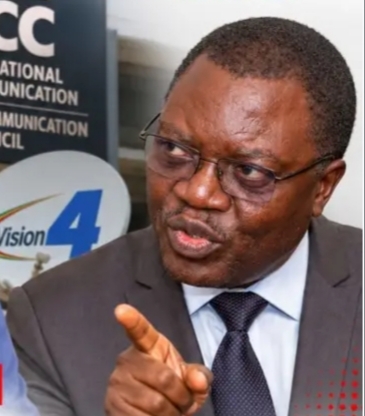
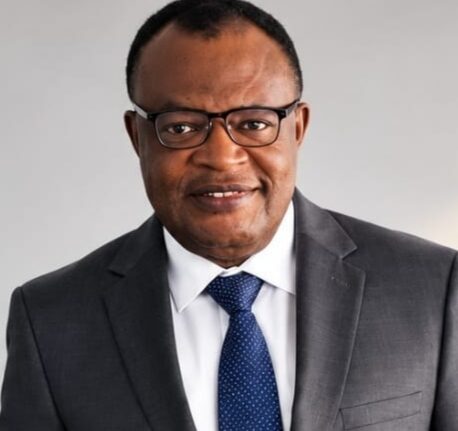
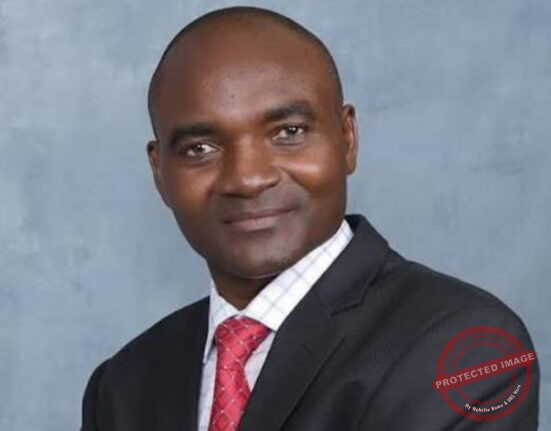
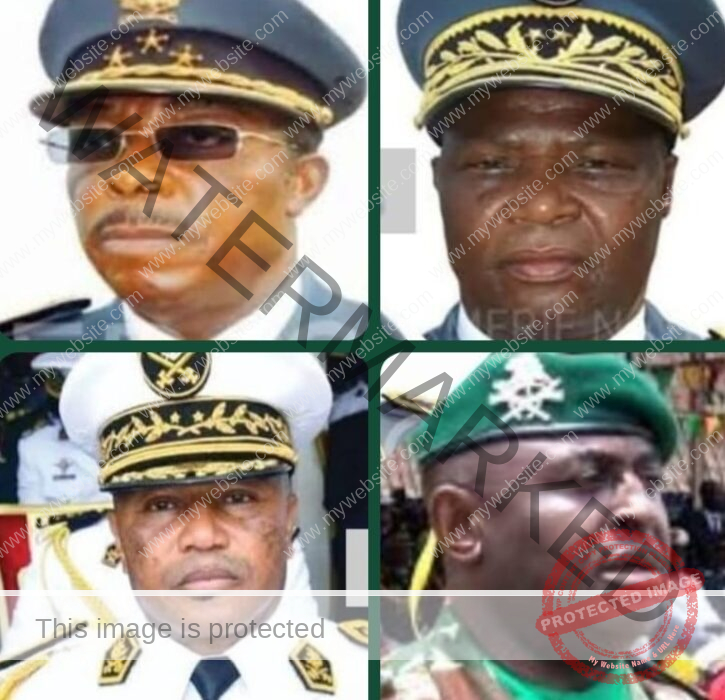
Among the most frequently cited names are: Major General Ivo Desancio Yenwo — Bui County. Major General Elokobi Daniel Njock — Manyu County. Rear Admiral Hilary Ade Nkwenti — Mezam County.
Brigadier General Ekongwesse Divine Nnoko — Kupe Muanenguba County. Brigadier General Agha Robinson — Menchum County.
For some Southern Cameroonians, these officers represent painful symbols of what they view as silence or complicity during a period of suffering in their homeland. For others, however, these men are professional officers serving the state under constitutional obligation, operating within the framework of military discipline and national command structures. The truth, as often happens in conflicts, is more complex than political slogans allow.
Between Identity and Duty
One of the most difficult realities of internal conflict is that individuals are often forced to navigate competing loyalties. A military officer may simultaneously be: a son of a local community, a servant of the state, a professional bound by military oath, and a citizen caught between political narratives larger than himself. This tension is not unique to Cameroon. Throughout history, civil conflicts and separatist crises have repeatedly placed public officials in painful moral and political dilemmas.
To some observers, the presence of Southern Cameroonians within senior military structures demonstrates inclusion within national institutions and reflects the idea that the armed forces belong to all citizens regardless of region. To critics, however, their presence raises troubling questions about whether enough has been done internally to protect civilians, reduce escalation, or encourage political dialogue. These questions are emotionally charged precisely because they touch on identity, belonging, and responsibility.
The Civilian Cost of the Conflict
What remains beyond dispute is that ordinary civilians have borne the heaviest burden of this conflict. Communities across the Anglophone regions have experienced: displacement, economic collapse, insecurity, interrupted education, destruction of property, kidnappings, military confrontations, and deep psychological trauma. At the same time, members of the security forces themselves have also been killed, wounded, or targeted during attacks carried out by armed separatist factions. This reality complicates simplistic narratives. The conflict has produced suffering across multiple sides of the divide, even though interpretations of responsibility remain sharply contested.
The Question Many Continue to Ask
For many Southern Cameroonians, the central question is not whether these generals alone are responsible for the conflict. Few serious observers would make such a claim. Rather, the question many continue to ask is whether influential figures from the affected regions could have played a stronger role in encouraging restraint, dialogue, de-escalation, or political solutions. That question may never receive a universally accepted answer.
Military institutions operate through hierarchy and centralized authority. Senior officers do not independently determine national political policy. Yet history often expects influential individuals to exercise moral judgment within the limits of their power. This is where public debate becomes both sensitive and unavoidable.
The Danger of Demonization
At the same time, there is also danger in reducing complex human beings into symbols of betrayal or political hatred. Conflicts frequently produce emotional rhetoric that deepens division rather than encouraging understanding. Labeling every Southern Cameroonian serving within state institutions as an enemy risks creating a climate where dialogue becomes impossible and identity itself becomes politicized.
A society emerging from conflict will eventually require coexistence, reconciliation, and institutional rebuilding. That future becomes harder when entire categories of people are permanently condemned without nuance. Balanced reflection therefore requires acknowledging both public frustration and the complexity of institutional realities.
History’s Long Judgment
History rarely delivers simple verdicts. Those who served governments during periods of conflict are often judged differently over time depending on what future generations discover about their actions, intentions, and choices behind closed doors. Some are remembered as defenders of order. Others as protectors of civilians. Others as silent observers. Others as participants in systems later criticized by history. What remains certain is that public office during times of crisis always carries moral weight. The five generals discussed in this debate may ultimately be remembered in very different ways depending on how the broader history of the Southern Cameroons conflict is eventually written.
Beyond Anger
The tragedy of the Southern Cameroons conflict is that it has increasingly pushed communities into hardened positions where suspicion often replaces dialogue. Yet lasting peace rarely emerges from anger alone. It requires difficult conversations about governance, identity, justice, accountability, security, inclusion, and the failures that allowed the crisis to deepen over time.
The future of the region will not be determined only by military outcomes, political speeches, or emotional accusations. It will also depend on whether all sides — including state officials, separatist actors, intellectuals, community leaders, and citizens — are willing to confront painful truths honestly while resisting the temptation to dehumanize one another. Because in the end, conflicts may shape history, but it is how societies remember and respond to them that ultimately defines the future.
Ali Dan Ismael
Editor-in-Chief, The Independentist News