





The Architecture of Erasure: A Narrative
If the issue is framed as an “Anglophone problem,” the solution will always be limited to reforms within the existing state. But if
Let this be stated without apology: “Anglophone” is a manufactured label. It was introduced to replace a people with a category. It was
Cameroon now faces a defining choice: remain a nation where power is arranged, or become one where power is earned. Continue as spectators,
This moment does not ask for reaction. It demands conclusion. Not emotional conclusion. Structural conclusion. The question is no longer whether reform is
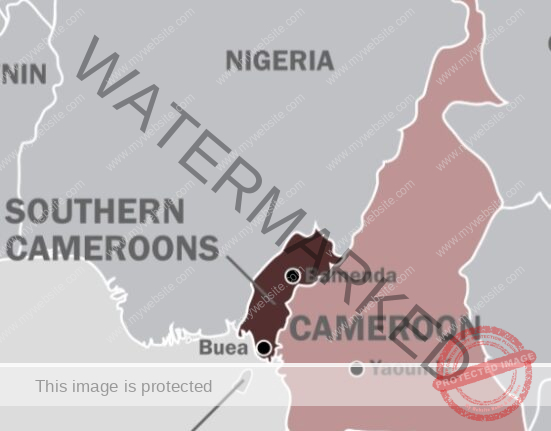
The history of the Southern Cameroons remains contested. The legal interpretations remain debated. But the present reality demands attention. What happens next will
The history of the Southern Cameroons’ transition from trusteeship to its post-1961 status is complex, contested, and deeply consequential. It cannot be reduced
What is clear is that the questions raised during that period have not been conclusively resolved in the eyes of many observers. As
After decades of endurance, appeals, negotiations, and betrayals, the line has been drawn. Not as a threat. Not as a posture. But as
This guide is not a substitute for legal protection or institutional accountability. However, it provides practical steps that individuals and communities can take
Easter’s Verdict: Those Who Start Wars Must Be Named — Including in Ambazonia
The Pope has spoken. Not in politics—but in principle. War is a choice. Suffering is not inevitable. Peace requires truth. For Ambazonia, the