













Letter To the Editor,
Dear Editor,
The vision of African unity remains one of the continent’s noblest and most enduring aspirations. For generations, Africans have hoped for a future founded upon cooperation, peace, economic integration, mutual respect, and collective advancement. Yet lasting unity cannot be sustainably constructed upon unresolved political unions or contested constitutional foundations.
Before Africa can genuinely unite, historical and constitutional disputes within existing states must first be peacefully and honestly addressed. Stability cannot emerge from ambiguity, coerced assimilation, or political arrangements whose legitimacy continues to be questioned by significant populations decades after their formation.
The political relationship between Southern Cameroons and the Republic of Cameroun represents one such unresolved question.
Historically, the federation between the two territories was widely viewed as an important post-colonial experiment in African coexistence — an effort to demonstrate that distinct peoples with different colonial legacies, legal traditions, educational systems, and administrative cultures could voluntarily coexist within a common political framework. In many respects, that experiment was also envisioned as a potential model for broader African integration and continental unity.
Unfortunately, the persistence of conflict and constitutional disagreement surrounding that union now raises deeper questions for Africa itself. If smaller states or minority political entities perceive that their identities, institutions, and autonomy can gradually disappear within larger political unions, confidence in any future African integration project may inevitably weaken.
Resolving the dispute between Southern Cameroons and the Republic of Cameroun peacefully and fairly would therefore carry significance far beyond the two territories themselves. It would help reassure Africans that, within any future continental union, the interests, identities, and constitutional protections of smaller states will not simply vanish beneath larger political structures, but will instead be preserved through mutual consent, legal clarity, and enforceable agreements.
If Africa is to move toward deeper continental integration, it must do so in a manner that recognizes historical realities and respects the dignity of all peoples. Southern Cameroons and the Republic of Cameroun should therefore be permitted to participate in any future African union as two distinct political entities rather than as one unresolved constitutional arrangement.
History consistently demonstrates that successful unions are not built through domination or absorption, but through trust, constitutional clarity, negotiated partnership, and mutual recognition between clearly defined parties. Durable peace and stability in Africa will depend not upon suppressing differences, but upon constructing political frameworks that allow peoples and nations to coexist with dignity, security, and consent.
African unity should never require the erasure of identities or historical experiences. Rather, it should represent a voluntary partnership of peoples and states who freely choose cooperation because justice, recognition, and mutual respect have first been secured.
Sincerely,
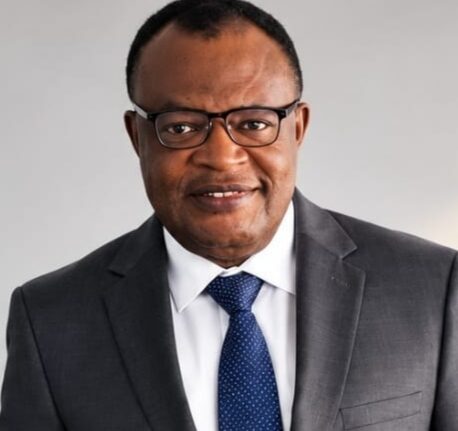
Dr. Nicolas Epie
Foxborough, Massachusetts
USA





Leave feedback about this