

The future of Cameroon ultimately rests with its youth. Ensuring that this generation inherits opportunity rather than prolonged conflict will require political courage, inclusive dialogue, and policies that move beyond symbolism toward lasting solutions.
By Timothy Engonene
Guest Editor-in-Chief, The Independentistnews
BUEA February 10, 2026 – Each February, Cameroon celebrates National Youth Day with parades, speeches, and official declarations honoring the country’s younger generation. Government messaging typically emphasizes patriotism, unity, and hope for the future.
Yet in Cameroon’s conflict-affected Northwest and Southwest regions, the occasion carries a more complex resonance. For many families, Youth Day unfolds against a backdrop of prolonged insecurity, disrupted education, and economic uncertainty that continues to shape the lives of young people nearly a decade into the Anglophone crisis.
A Generation Interrupted
The crisis that escalated in 2016 following protests by lawyers and teachers over governance and cultural concerns has since evolved into a protracted armed conflict involving government forces and separatist groups.
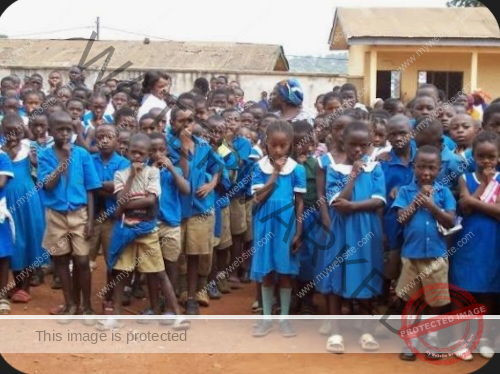
One of its most visible consequences has been disruption to education. Prolonged school closures, insecurity around campuses, and displacement of families have left many children and university students with interrupted schooling. Some communities have experienced years in which formal education functioned only sporadically or not at all.
Parents and local educators describe the toll in practical terms: students who have fallen behind academically, families forced to relocate, and young people compelled to seek work prematurely or migrate in search of stability.
For a country where young people make up the majority of the population, these lost years carry long-term implications for economic development and social cohesion.
Civic Messaging and Political Reality
Official Youth Day messaging frequently calls on young citizens to engage constructively in national development. Yet in regions marked by insecurity, civic participation often occurs in a climate of suspicion and fear.
Young people who express political grievances risk being associated—fairly or unfairly—with armed actors or political movements. At the same time, authorities argue that maintaining public order requires firm measures against activities perceived as supporting separatism.
Caught between armed groups enforcing boycotts and state authorities seeking to restore normalcy, many young citizens find themselves navigating complex and sometimes dangerous choices about participation in public life.
Diaspora Youth and the Fear of Return
Another dimension of the crisis affects young Cameroonians in the diaspora. Many who left for education or employment abroad hesitate to return home due to uncertainty about security conditions or political suspicion.
Families recount cases in which returning youths have faced questioning or detention upon arrival, sometimes linked to online activity or political associations. While authorities maintain that security measures are necessary to combat armed groups, such experiences contribute to a climate of anxiety among diaspora communities.
The result is a widening psychological and geographic distance between young Cameroonians abroad and their communities of origin.
Competing Narratives, Fragmented Communities
The conflict has also fueled intense debates across social media and diaspora networks. Political actors, activists, and commentators advance sharply different interpretations of responsibility and solutions.
Supporters of government policy argue that restoring order and economic life must take priority. Separatist advocates insist that only political restructuring or independence can resolve longstanding grievances.
Between these positions stands a large population—particularly young people—seeking stability, education, and economic opportunity more than ideological victory.
Beyond Symbolic Celebrations
Youth Day celebrations are intended to symbolize national unity and optimism. But ceremonies alone cannot address the structural challenges facing young people in conflict-affected areas.
Education recovery, job creation, credible political dialogue, and security reforms remain essential if the promise of Youth Day is to resonate equally across all regions of Cameroon.
Until then, the day will continue to carry dual meanings: celebration in some parts of the country, and reflection—sometimes tinged with frustration—in others.
The future of Cameroon ultimately rests with its youth. Ensuring that this generation inherits opportunity rather than prolonged conflict will require political courage, inclusive dialogue, and policies that move beyond symbolism toward lasting solutions.
Timothy Engonene
Guest Editor-in-Chief, The Independentistnews