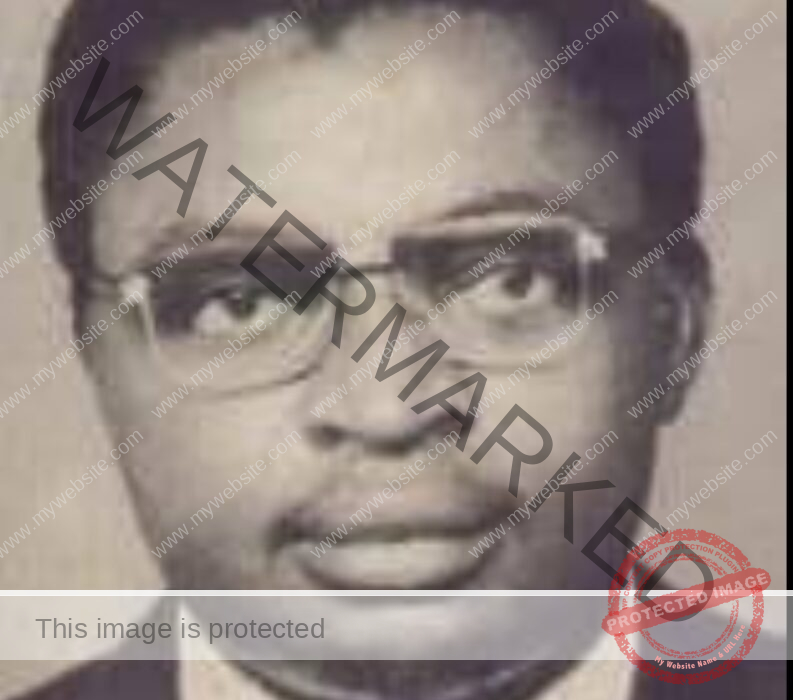


History may have moved on, but the foundations S.K.Kilo helped build remain. Resurrecting the memory of these pioneers in classrooms and public discourse will ensure that their legacy continues to guide and inspire the generations to come.
By Patrice Nsai, The Independentistnews Bamenda Correspondent
In the story of Ambazonia’s economic and social development, many pioneers who laid the foundations of indigenous enterprise and community advancement have gradually faded from public memory. Among these forgotten builders stands Honourable Sylvester Kilo Kindzeka—an entrepreneur, political figure, and philanthropist whose contributions helped shape the region formerly known as Southern Cameroons and later West Cameroon.
Early Life and Education
Sylvester Kilo Kindzeka was born on February 10, 1932, in Sob, Jakiri, within the Bui Division. He received his primary education in Shisong before attending St. Joseph’s College Sasse, one of the most prestigious secondary institutions in Southern Cameroons at the time.
He began his professional career in 1952 as a Government Cooperative Inspector, serving in the civil service before eventually venturing into private enterprise, where his impact would become most visible.
Pioneer of Indigenous Entrepreneurship
Hon. Kilo is best remembered as one of the earliest and most successful indigenous entrepreneurs in the territory. In 1959, he founded Kilo Bros Ltd, which grew into one of the leading construction and diversified companies in the region.
At a time when major infrastructure projects were dominated by foreign firms, Kilo Bros Ltd proved that local companies could compete effectively in construction and civil engineering. His company undertook significant projects and contributed meaningfully to regional development.
The enterprise also created substantial employment opportunities, at one point employing over 300 Cameroonians, alongside expatriate technicians. This contribution to local employment was especially important during the transition from trusteeship to independence.
Kilo’s business vision extended beyond construction. He introduced the first Toyota agency in Cameroon and established the New City Hotel in Bamenda’s Abakwa Old Town, the first modern hotel of its kind in the city, helping position Bamenda as an emerging commercial center.
Political and Public Service
Beyond business, Sylvester Kilo remained actively engaged in public service and political life during the formative years of the federation.
At the time of his passing, he served as Vice President of Cameroon’s Economic and Social Council, reflecting his standing in national development circles. He also served as Bui Section President of the ruling party (then CNU, later CPDM) for eleven years, representing regional interests at the national level.
His international engagement included representing Cameroon in 1966 as Secretary at the Denmark International Seminar, contributing to the country’s diplomatic and development exchanges abroad.
Commitment to Education and Community Development
Hon. Kilo remained deeply committed to the development of his home area in Jakiri and the broader Nso community.
He founded Kilo Comprehensive College in his village to expand access to education for local youth. Following his death, the institution was entrusted to Catholic authorities and renamed St. Sylvester’s College in his honor.
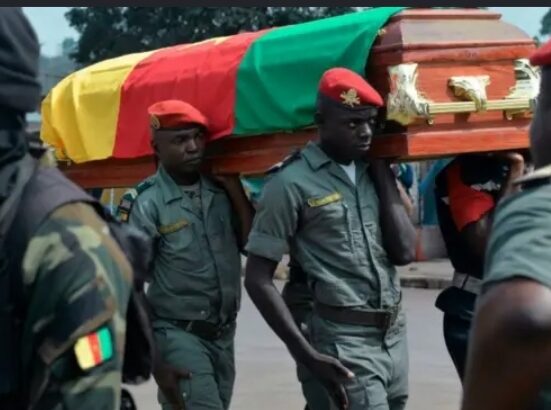
Recognized as one of Nso land’s foremost business pioneers, he also became the first person from his community to receive an official state burial, decreed by President Ahmadou Ahidjo in recognition of his service to the nation.
A Legacy Worth Remembering
Historians and community elders often cite Sylvester Kilo Kindzeka as a symbol of what indigenous enterprise and determination achieved in the early post-independence era of West Cameroon. His journey from civil servant to successful entrepreneur demonstrated that local initiative could drive economic transformation.
Yet, like many Ambazonian pioneers, his name rarely appears in contemporary discussions of regional development. Remembering figures like Hon. Sylvester Kilo is not merely about honoring the past—it is about reclaiming a history of self-driven progress that can inspire future generations.
It is therefore hoped that a future Federal Republic of Southern Cameroons will deliberately restore such figures to public consciousness through its national education system. By integrating the stories and achievements of pioneers like Sylvester Kilo into school curricula, future generations can grow up with authentic local role models—men and women who built industries, created jobs, and invested in community development long before external assistance became the norm.
History may have moved on, but the foundations S.K. Kilo helped build remain. Resurrecting the memory of these pioneers in classrooms and public discourse will ensure that their legacy continues to guide and inspire the generations to come.
Patrice Nsai, The Independentistnews