


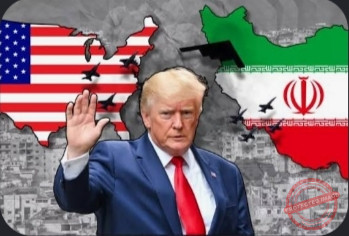


The U.S.–Iran ceasefire reminds the world that even after conflict, diplomacy returns. The wise nation does not wait for crisis before learning this truth. Emerging nations must build peace before war, institutions before chaos, and strategy before emotion.
By Ali Dan Ismael
Editor-in-chief The Independentist News
The Return to Dialogue
When powerful nations move from confrontation back to diplomacy, the world should pay attention. The reported U.S.–Iran ceasefire is more than a Middle Eastern development. It is a reminder that even the strongest states eventually discover the limits of military pressure and the necessity of negotiation.
War may demonstrate strength, but diplomacy preserves options. It allows nations to protect their interests without destroying the very stability upon which prosperity depends.
The Cost of Conflict
Modern conflict no longer affects only soldiers and borders. It affects oil prices, shipping routes, food costs, insurance markets, financial systems, and ordinary households across the world. A crisis in the Gulf can raise transport costs in Africa. A disruption in energy markets can increase the price of bread, fuel, and construction materials thousands of miles away.
This is why emerging nations must understand that foreign policy is not distant from domestic development. Peace abroad affects prices at home. Stability in global trade affects jobs, investment, and national planning.
Lessons for Emerging Nations
For emerging nations such as Ambazonia, the lesson is clear: diplomacy must be treated as a pillar of national survival. A small or emerging state cannot afford reckless alliances, emotional foreign policy, or permanent hostility. It must build bridges, protect its sovereignty, and engage the world with discipline.
Strategic maturity means knowing when to speak, when to negotiate, when to remain neutral, and when to defend national interests firmly but responsibly.
Neutrality Is Not Weakness
The U.S.–Iran crisis also teaches that small nations should avoid becoming instruments in the rivalries of larger powers. The world is entering a multipolar era in which the United States, China, Russia, Europe, the Gulf states, India, and other powers compete for influence.
Ambazonia’s future foreign policy must therefore be guided by strategic neutrality: friendship with all, dependence on none. The goal should not be ideological alignment, but national development.
Economic Security Is National Security
Ports, energy systems, food supply chains, digital infrastructure, and financial resilience are now part of national defense. A country that cannot absorb global shocks cannot protect its citizens. A country that depends entirely on external energy, imported food, or fragile supply chains remains vulnerable even in peacetime.
This is why Ambazonia must think seriously about renewable energy, food security, port development, strategic reserves, industrial capacity, and diversified partnerships.
The Diplomacy of the Future
The nations that will prosper in the twenty-first century will not be those that shout the loudest, but those that negotiate wisely, build credible institutions, protect investors, respect international law, and maintain peace with their neighbors.
For Ambazonia, diplomacy must not begin after independence. It must begin now as a culture of seriousness, discipline, credibility, and strategic communication.
A Final Lesson
The U.S.–Iran ceasefire reminds the world that even after conflict, diplomacy returns. The wise nation does not wait for crisis before learning this truth. Emerging nations must build peace before war, institutions before chaos, and strategy before emotion.
For Ambazonia, the message is simple: sovereignty must be defended, but development must be protected. The future belongs to nations that understand both power and restraint. When diplomacy returns, wise nations listen.
Ali Dan Ismael. Editor-in-chief The Independentist News