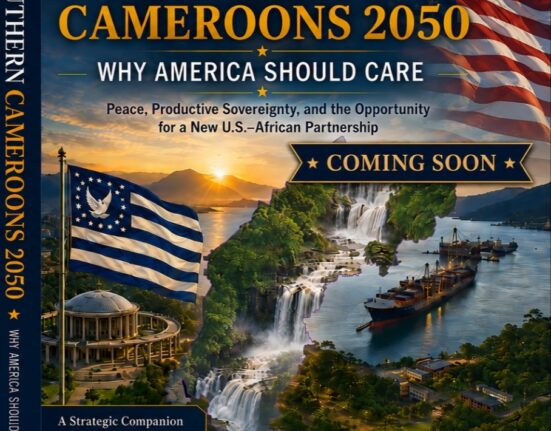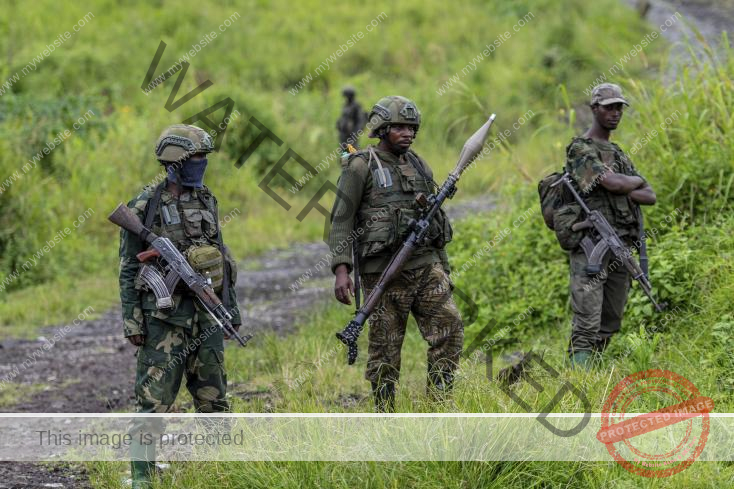


The situation in the Southern Cameroons is no longer a question of short-term disturbance or isolated instability. It reflects a deeper and more complex reality rooted in unresolved political and historical foundations. The question now is not whether the conflict exists.
By Ali Dan Ismael
Editor-in-Chief, The Independentist News
2 May 2026
There comes a moment in every prolonged conflict when the narrative collapses. For years, the situation in the North West and South West regions of Cameroon has been presented to the world as a manageable internal disturbance. A “crisis” to be contained. A “security issue” to be resolved through force, administrative adjustments, and carefully managed dialogue.
That narrative is no longer sustainable.
What is unfolding is not simply a temporary disturbance. It reflects deeper, unresolved historical and political questions tied to the status of the former British Southern Cameroons, questions that continue to shape the conflict today.
The Limits of Force
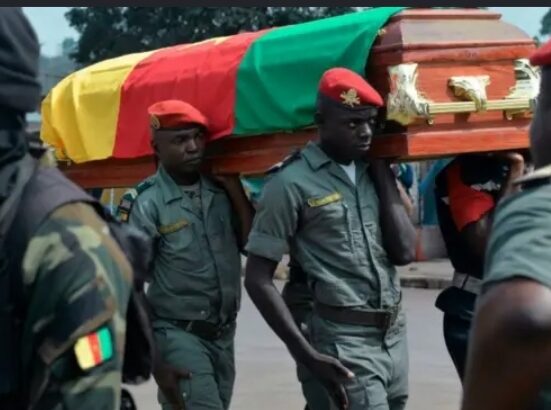
Eight years into the conflict, one reality is becoming increasingly clear: military pressure has not produced a decisive outcome. Instead, the continued reliance on force has coincided with reports of widespread disruption to civilian life, the destruction of communities, and the displacement of large populations. These conditions do not signal resolution. They reflect a strategy that has yet to address the underlying drivers of the conflict. Where force fails to resolve grievances, it often hardens them. And hardened grievances do not disappear. They evolve.
A Conflict That Refuses Simplification
Efforts to frame the situation as isolated acts of disorder have struggled to account for its persistence. What began as civil protest has transformed over time. The dynamics on the ground now reflect a more complex reality, one in which local populations, political actors, and emerging structures are interacting in ways that cannot be reduced to a single narrative. This complexity matters. Because conflicts that are misunderstood are rarely resolved effectively.
Shifts in Organization and Direction
A notable development in recent years has been the gradual shift from loosely coordinated resistance toward more structured political organization among Ambazonian actors. Under the leadership of Samuel Ikome Sako, efforts have been made to articulate governance frameworks and coordinate political direction beyond immediate battlefield considerations.
These developments remain contested and lack formal international recognition. However, they reflect an important shift: the conflict is no longer defined solely by confrontation, but also by attempts at institutional formation. That shift carries long-term implications.
The Cost of Strategic Ambiguity
The international response to the conflict has largely been cautious. While understandable, prolonged ambiguity carries its own risks. It can allow conflict dynamics to become entrenched, humanitarian conditions to deteriorate, and positions on all sides to harden further. Silence does not stabilize complex conflicts. It often prolongs them.
Beyond Containment
The central challenge is no longer how to contain the situation, but how to understand it accurately. Framing the conflict as temporary or purely administrative risks overlooking the structural factors that continue to drive it. Any lasting solution will require engaging not only with security concerns, but also with the underlying historical and legal questions that remain unresolved. A shift in perspective is required. Not toward taking sides, but toward recognizing the full scope of the issue, including its humanitarian, political, and legal dimensions.
A Turning Point
Conflicts rarely remain static. They evolve, often gradually, until a point is reached where previous assumptions no longer hold. There are growing indications that this conflict may be approaching such a point. Whether that moment leads to further escalation, prolonged stalemate, or meaningful engagement will depend not only on actors within the conflict, but also on how the broader international community chooses to respond.
Conclusion
The situation in the Southern Cameroons is no longer a question of short-term disturbance or isolated instability. It reflects a deeper and more complex reality rooted in unresolved political and historical foundations. The question now is not whether the conflict exists.
It is whether it will continue to be approached with frameworks that no longer match its scale, or whether a more grounded understanding, including its historical and legal dimensions, will finally take hold.
Ali Dan Ismael
Editor-in-Chief, The Independentist News
Editor’s Note
This editorial is part of Independentist News’ ongoing coverage of conflict dynamics in the Southern Cameroons. A detailed analysis examining governance structures, decolonisation questions, and legal dimensions follows in our companion publication.