

The introduction of a Vice President—whether symbolic or strategic—does not alter the fundamental questions that remain unanswered. It does not redefine the relationship between Ambazonia and La République du Cameroun. And it does not resolve the deeper issue of political identity and self-determination.
By Carl Sanders
Guest Writer, The Independentistnews
Soho, London
3 April 2026
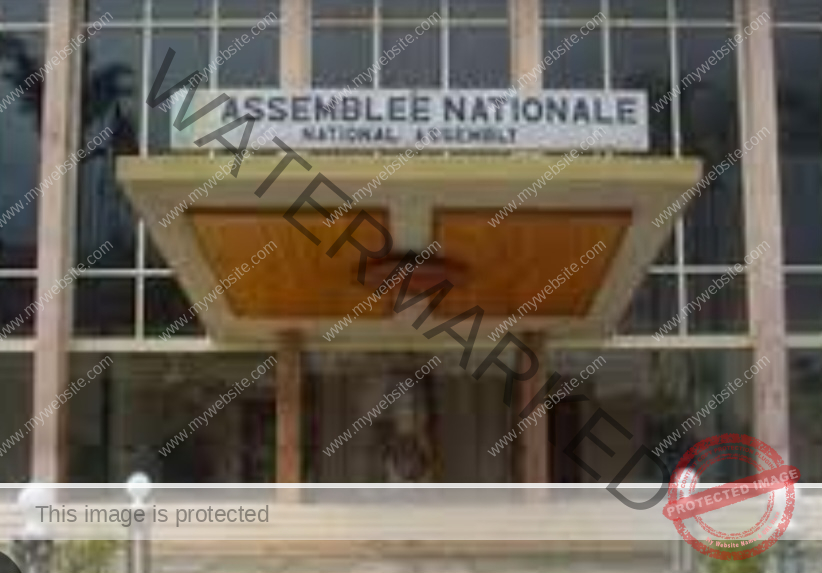
As the so-called “Joint Session” of Parliament convenes in Yaoundé, the atmosphere is not one of governance, but of desperation. With the anticipated visit of Pope Leo XIV to Bamenda looming, a regime that spent years denying the existence of any “Anglophone Problem” now scrambles to manufacture a solution overnight. What is being presented as reform is, in truth, a carefully staged performance—a political theatre designed for international consumption.
At the center of this charade is the proposed reintroduction of the Vice President. But viewed from the Ambazonian perspective, this is not progress. It is a confession—an admission that more than half a century of imposed unity has failed.
The Legal Ghost: 1961 vs. 2026
The regime now seeks to resurrect fragments of the 1961 federal structure—the very system it dismantled in 1972 without consent. In doing so, it exposes its own contradiction. If federal safeguards are now necessary, then their removal was not reform but destruction. If representation now matters, then its absence for decades was not oversight but design.
But the comparison collapses under scrutiny. In 1961, the Vice President symbolised a negotiated arrangement between two entities presented as equals. In 2026, it is nothing more than an appointed extension of executive control. This is not partnership; it is hierarchy dressed in constitutional language. It is not restoration; it is rebranding.
No people seeking the restoration of their statehood can be placated by a ceremonial office within a system they fundamentally reject. You cannot resolve a question of sovereignty by offering administrative inclusion.
The Humanitarian Reality Behind the Facade
While constitutional theatrics unfold in the capital, the reality on the ground remains stark and unresolved. The narrative of “peace” being prepared for international audiences stands in direct contrast to lived experience.
The education system in the North-West and South-West continues to operate under strain, with many children learning in improvised or informal settings. Displacement remains a defining feature of daily life for countless families, and access to basic services is uneven at best. Meanwhile, the continued detention of high-profile figures—including Mancho Bibixi and the group widely known as the Nera 10—serves as a persistent reminder that reconciliation has yet to take tangible form.
A Vice President does not rebuild schools. It does not return displaced families to their homes. It does not address grievances rooted in years of conflict and mistrust.
The Optics Strategy: Reform for the Gallery
The timing of these proposals is not accidental. With global attention momentarily focused on the region, the regime appears intent on presenting a narrative of progress—one that suggests movement without addressing substance.
This is not the first attempt to signal reform while avoiding structural change. What is new is the urgency. The goal is clear: to project the image of a state responding to concerns, without conceding the underlying issues that gave rise to them.
But titles do not resolve crises. Constitutional adjustments, absent genuine dialogue and accountability, do not restore confidence. And symbolic gestures cannot substitute for meaningful political solutions.
Conclusion: Legitimacy Cannot Be Manufactured
As proceedings unfold in Yaoundé, one principle remains unchanged: legitimacy is not created by decree. It is built through trust, consistency, and adherence to law.
The introduction of a Vice President—whether symbolic or strategic—does not alter the fundamental questions that remain unanswered. It does not redefine the relationship between Ambazonia and La République du Cameroun. And it does not resolve the deeper issue of political identity and self-determination.
What may appear as reform from a distance is, to many, a reconfiguration of the same structure. A new title does not transform the system that produces it. The conversation, therefore, is far from over.
Carl Sanders
Guest Writer, The Independentistnews