



The final chapters of long struggles are rarely simple. But history also reminds us that even the most entrenched conflicts eventually give way to new political realities. The question facing all parties today is what kind of future they are prepared to build when that moment arrives.
By Carl Sanders, Guest Writer
The Independentistnews, Soho, London
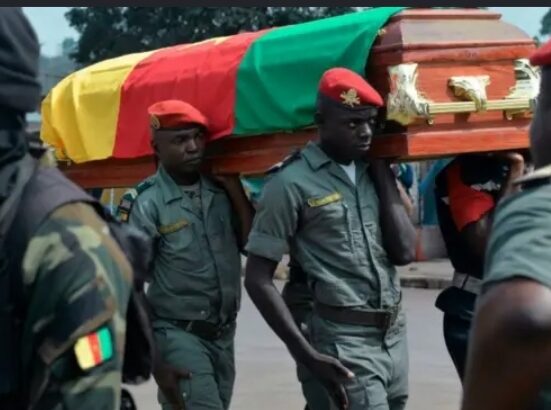
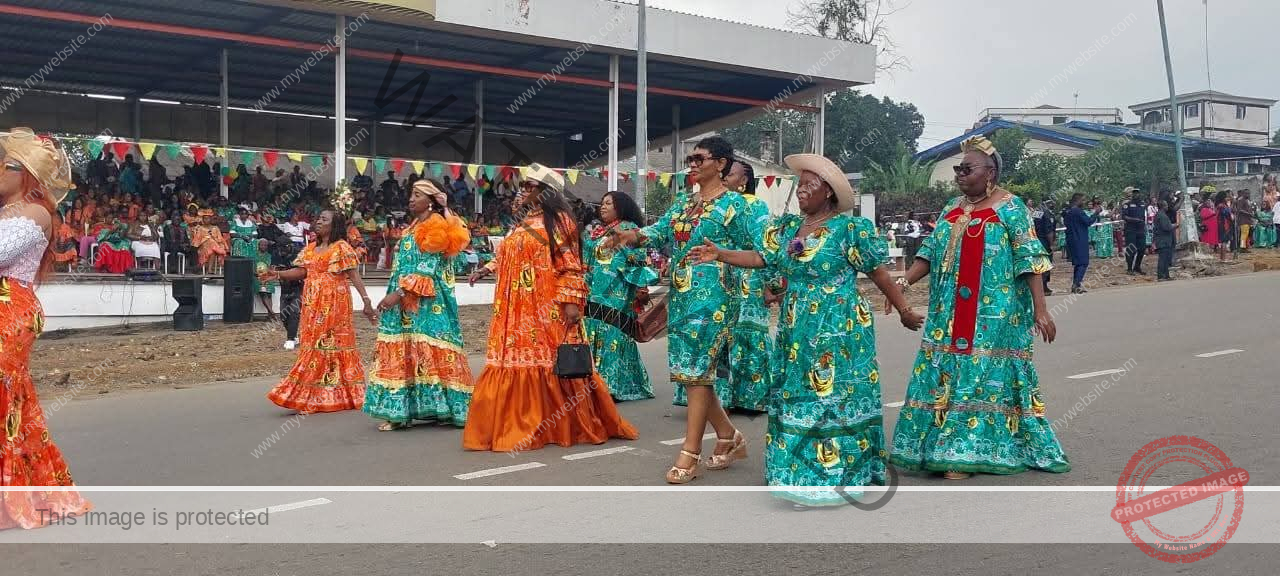
BBAMENDA – 10 March 2026 – In recent days, the messaging from Yaoundé has grown noticeably louder. Official statements and sympathetic commentators repeat a familiar refrain: “the war is over,” “normalcy has returned,” and “the resistance has been crushed.” Public ceremonies and symbolic parades in cities such as Bamenda and Buea are presented as proof that the conflict has ended.
Yet history often cautions us to view such declarations carefully. Governments engaged in protracted conflicts frequently project confidence even when the situation on the ground remains uncertain. Public messaging, particularly during wartime, can serve both domestic reassurance and international signaling.
What remains clear is that, for many communities across the territory claimed by the Ambazonian movement, daily life continues to be shaped by insecurity, displacement, and competing narratives about the future.
- The Illusion — and the Desire — of Normalcy
Authorities in Yaoundé understandably wish to project stability. Peace caravans, youth parades, and official visits are designed to convey a sense that order has returned. Such displays are common tools of statecraft in post-conflict or contested environments.
However, for residents in parts of Lebialem, Bui, Manyu, and other areas affected by years of fighting, the situation remains complex. Reports of military operations, population displacement, and humanitarian strain suggest that the conflict’s effects are far from resolved.
The contrast between official declarations and lived experience continues to shape the political debate surrounding the future of the territory.
- The Persistence of the Resistance
Despite arrests abroad, legal scrutiny, and internal divisions within various movements associated with the Ambazonian cause, armed groups and political advocates continue to claim that the struggle for self-determination remains active.
Supporters of the Ambazonian project argue that the spirit of the 1961 plebiscite — and the long-standing debate over the status of the former British Southern Cameroons — continues to animate their cause. From this perspective, the movement is not merely a military effort but a broader political and identity-based struggle.
For critics of Yaoundé’s policies, the persistence of these ideas suggests that the conflict cannot be resolved solely through security measures.
- Why the Final Stages of Conflict Are Often the Hardest
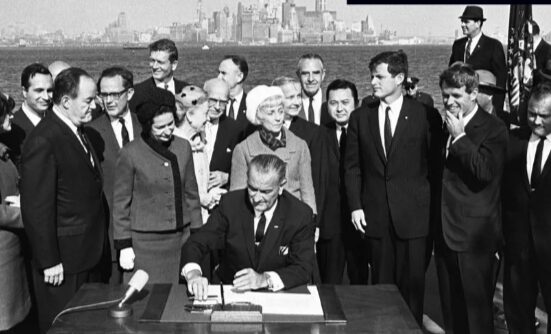
History offers numerous examples showing that the final stages of prolonged conflicts are often the most volatile. Whether in the American Revolution, the Algerian war of independence, or other decolonization struggles, late phases frequently include several recognizable patterns:
Intensified Propaganda: Competing sides declare victory in order to shape perception and morale. Heightened Repression or Security Measures: Governments often increase military operations in an effort to consolidate control.
Strategic Fatigue: After years of conflict, populations on all sides grow weary, making political resolution both urgent and difficult.
The current moment in the Ambazonian conflict appears to reflect elements of these dynamics. Analysts differ sharply on how the situation will evolve, but many agree that unity among political actors and credible diplomatic engagement will be crucial if any lasting settlement is to emerge.
The Final Word: Holding on to Identity
Regardless of political outcomes, one reality has already taken root: the question of identity in the former Southern Cameroons is now firmly embedded in regional and international discourse.
For supporters of the Ambazonian movement, the struggle has already achieved one historic milestone — transforming a linguistic minority debate into a broader conversation about historical sovereignty, governance, and self-determination.
For others within Cameroon, the challenge remains how to address those grievances while preserving national unity.
What is certain is that the people most affected by this conflict — families across the North West and South West, as well as the diaspora — continue to hope for a future defined not by war, but by dignity, stability, and justice.
The final chapters of long struggles are rarely simple. But history also reminds us that even the most entrenched conflicts eventually give way to new political realities. The question facing all parties today is what kind of future they are prepared to build when that moment arrives.
Carl Sanders, Guest Writer
The Independentistnews