






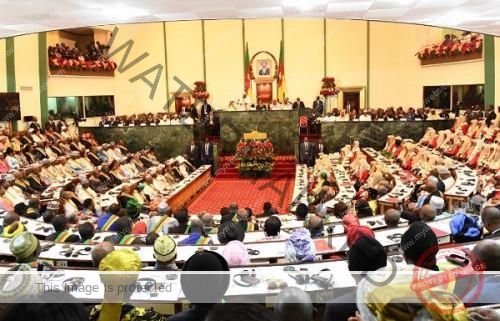





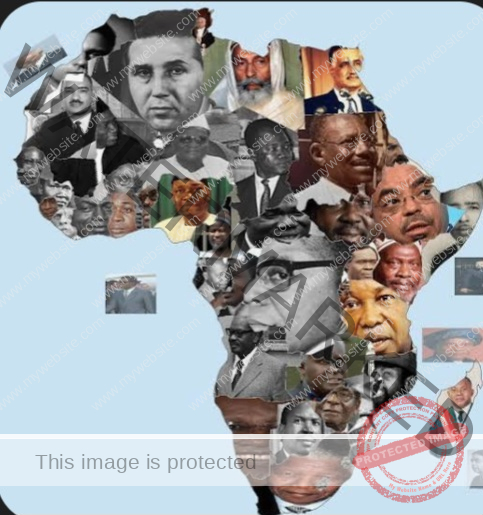
History is opening a new chapter for Africa. The nations that will prosper in the decades ahead will be those that embrace reform, strengthen democratic institutions, invest in their people, and pursue partnerships based on mutual respect rather than dependency.
By Ali Dan Ismael. Editor-in-chief The Independentist News
A Continental Awakening
Across Africa, a profound political awakening is taking place. From the Sahel to the Atlantic coast, a growing number of African governments and citizens are reassessing relationships that have shaped the continent since independence. Recent developments in Burkina Faso, Mali, and Niger are not isolated political events—they are signs of a broader transformation in African thinking about sovereignty, national dignity, and self-determination.
Beyond Colonial Legacies
The question confronting Africa today is no longer whether nations should engage with the outside world. That is both inevitable and necessary. The real question is whether those relationships are built on mutual respect, equality, and the pursuit of shared prosperity. Increasingly, African voices are insisting that partnerships must serve the interests of African people first.
Partnerships, Not Dependence
This awakening should not be misunderstood as hostility toward any nation. France, the United States, the United Kingdom, China, Russia, India, Turkey, the Gulf states, and many others all have valuable roles to play in Africa’s development. The future belongs not to isolation, but to cooperation grounded in sovereign choice rather than historical dependency.
Africa’s challenge is not to replace one foreign partner with another. Rather, it is to build relationships that strengthen national capacity, expand economic opportunity, encourage technology transfer, and respect the sovereignty of every African state.
Lessons for Emerging Nations
For emerging nations such as Ambazonia, the lesson is both timely and enduring. Political independence alone is not enough. Sustainable sovereignty requires strong institutions, the rule of law, economic competitiveness, responsible leadership, and a foreign policy that advances the national interest without becoming captive to the interests of others.
True nation-building demands more than political liberation. It requires disciplined governance, investment in education, infrastructure, innovation, and the creation of an economy capable of generating prosperity for future generations.
The New Measure of Sovereignty
Africa’s future will not be secured by exchanging one sphere of influence for another. It will be secured by building capable states, educating citizens, attracting investment, strengthening democratic institutions, and creating economies that generate opportunity for future generations.
In the twenty-first century, sovereignty is measured not only by political independence but also by economic resilience, technological capability, institutional strength, and the confidence to engage the world as an equal partner.
Africa’s Defining Moment
The continent is entering a new era in which Africans are increasingly defining their own priorities and demanding accountability from both their leaders and their international partners. That evolution should be welcomed. A confident Africa is better positioned to contribute to global peace, economic growth, and international cooperation.
The eyes of Africa are opening. With that awakening comes a historic responsibility: to replace dependency with productivity, rhetoric with institution-building, and grievance with strategic vision.
The Road Ahead
History is opening a new chapter for Africa. The nations that will prosper in the decades ahead will be those that embrace reform, strengthen democratic institutions, invest in their people, and pursue partnerships based on mutual respect rather than dependency.
The future will belong not to the nations that define themselves by yesterday’s struggles, but to those that build tomorrow’s opportunities. Africa is awakening. The time to build is now.
Ali Dan Ismael Editor-in-chief The Independentist News





Leave feedback about this