









News commentary

We are home to news on Cameroon and the CEMAC region. We are dedicated to honest and reliable reporting. We are the voice of the Cameroonian people and their fight for freedom and democracy at a time when the Yaoundé government is silencing dissent and suppressing democratic voices.

Six years after his death, the struggle for genuine equality remains unfinished. True reform demands more than symbolic statements or temporary outrage. It requires dismantling the structural biases, institutional protections, and cultural attitudes that permit injustice to persist. The demonstrations of 2020 may have faded from headlines, but the underlying issues that fuelled them remain deeply embedded within societies across the globe.
By Timothy Enongene Guest Editor-in-Chief The
Independentist News
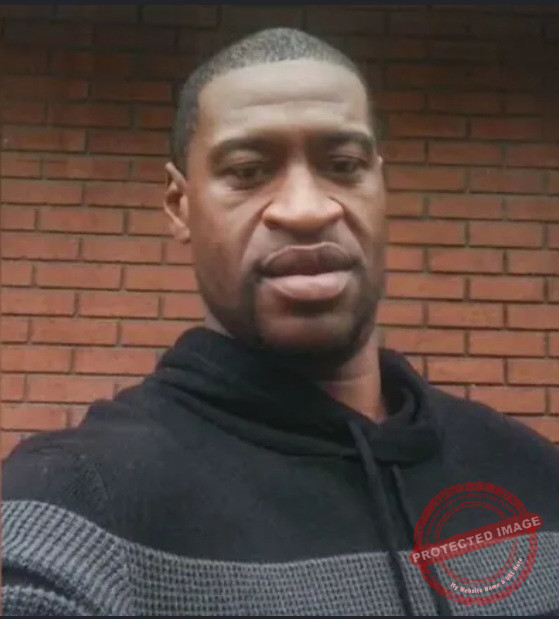
The killing of George Floyd by officers of the Minneapolis Police Department permanently altered the global conversation surrounding systemic racism, police brutality, and state-sanctioned violence. Captured in a horrifying video that showed Floyd pleading for his life for more than nine minutes beneath the knee of a police officer, the incident ignited one of the largest civil rights movements in modern history. Six years later, the emotional and political aftershocks of his death continue to shape public discourse, legislative battles, institutional reform efforts, and global human rights activism.
A Catalyst for Global Awakening
The legacy of George Floyd extends far beyond the protests that erupted across American cities in 2020. His death became a defining international symbol of racial injustice and exposed the deep structural inequalities that continue to affect Black communities across the world.
What began as public outrage rapidly evolved into a broader social reckoning. Governments, corporations, universities, and civic institutions were forced to confront longstanding accusations of systemic discrimination, unequal policing, and racial inequity. Over the past six years, this awakening has produced several major consequences: – Renewed legislative campaigns aimed at restricting dangerous policing tactics, including chokeholds and excessive force. – Expanded scrutiny of institutional diversity and equity practices across public and private sectors.
– Increased investment in community-based programmes focused on mental health, youth empowerment, and alternative emergency response systems. – Greater international cooperation among civil rights organisations advocating against racial profiling and discriminatory law enforcement practices.
The Legislative Struggle for Reform
At the centre of the American reform debate remains the proposed George Floyd Justice in Policing Act, legislation intended to lower the criminal intent threshold for prosecuting police misconduct, limit qualified immunity protections, establish a national police misconduct registry, and expand federal accountability mechanisms.
Although several municipalities and states enacted reforms — including restrictions on no-knock warrants and broader body-camera mandates — comprehensive federal reform has continued to face political resistance and legislative deadlock.
The reintroduction of the legislation in 2025 demonstrated that the demand for structural reform remains alive, even amid growing political backlash against diversity, equity, and inclusion initiatives. The slow pace of federal action has reinforced concerns among many activists that symbolic gestures are often easier to achieve than lasting institutional transformation.
A Global Movement Beyond America
The impact of Floyd’s death was never confined to the United States. Demonstrations erupted across Europe, Africa, Latin America, and parts of Asia as communities connected the incident to their own experiences with police violence, racial discrimination, and post-colonial inequality.
From United Kingdom and France to South Africa and Brazil, the phrase “Black Lives Matter” evolved into a broader international demand for dignity, accountability, and equal protection under the law.
Global human rights organisations continue to invoke Floyd’s legacy in campaigns challenging discriminatory immigration systems, racial profiling, and excessive use of force by law enforcement agencies worldwide. International advocacy groups have also increasingly pressured institutions such as the United Nations Human Rights Council to strengthen independent oversight mechanisms concerning systemic abuse and racial discrimination.
The Psychological Toll on Communities
Beyond politics and legislation lies a deeper and often overlooked reality: the psychological burden carried by communities repeatedly exposed to racial violence. The widespread circulation of videos depicting Black individuals dying during encounters with law enforcement has contributed to what many health experts describe as a form of collective trauma. For countless families, the emotional exhaustion resulting from repeated cycles of outrage, mourning, and limited accountability has become deeply destabilising.
As public enthusiasm for racial reform has fluctuated over the years, many grassroots organisations have shifted their focus toward healing and community resilience. Initiatives surrounding George Floyd Square in Minneapolis now place greater emphasis on mental health support, self-care programmes, youth engagement, and preserving spaces for remembrance and collective recovery.
Remembering the Humanity of George Floyd
To honour George Floyd properly is to remember him not as a political slogan, but as a human being. He was a father. A son. A brother. A friend. He was imperfect, as all human beings are. Yet imperfection does not nullify humanity, nor does it justify brutality. Floyd deserved dignity, due process, and the basic protection of the law. He did not deserve to die on a public street while pleading for air before the eyes of the world. Remembering his humanity is essential because systems of injustice often rely upon the dehumanisation of victims to excuse abuse and suppress accountability.
The Unfinished Pursuit of Justice
Six years after his death, the struggle for genuine equality remains unfinished. True reform demands more than symbolic statements or temporary outrage. It requires dismantling the structural biases, institutional protections, and cultural attitudes that permit injustice to persist. The demonstrations of 2020 may have faded from headlines, but the underlying issues that fuelled them remain deeply embedded within societies across the globe.
The words chanted in the streets during that historic summer continue to resonate today — not merely as slogans, but as enduring calls for accountability, dignity, and human equality. Say his name. George Floyd. Rest in peace.
BlackLivesMatter #GeorgeFloyd #SayHisName #RacialJustice #JusticeInPolicing
Timothy Enongene Guest Editor-in-Chief The
Independentist News
Share This Post:
The Trump Effect: Why Western Elites Fear America’s New Assertiveness
Two Territories, Two Standards: How the Zoétélé Violence Exposes Yaoundé’s Iron Fist in Ambazonia
Related Post
WHEN YAOUNDÉ’S ALLIES SUDDENLY ENDORSE AYUK TABE: SOLIDARITY OR
THE SECOND RETURN: FROM THE PAIN OF SEPARATION TO
WHEN THE REGULATOR BENDS: WHAT THE VISION 4 AFFAIR
PROPHECY, POLITICS, AND THE AMBAZONIAN QUESTION (PART II) :
IF SOMALILAND MATTERS TO WASHINGTON, WHY NOT SOUTHERN CAMEROONS?
A CALL FOR GENERATIONAL RENEWAL: From Individual Leadership to