






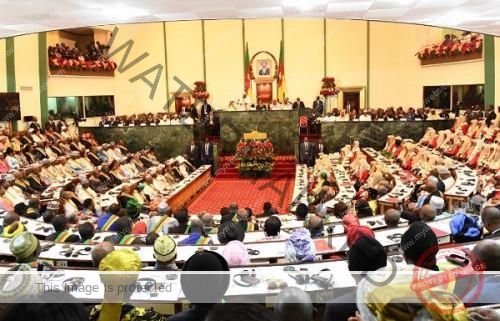






Economic behaviour often becomes intertwined with political expression in contested environments. Decisions about taxation, consumption, financial intermediation, and commercial activity may be influenced not only by market incentives but also by identity, trust, and perceptions of legitimacy.
By Carl Sanders, Guest Writer, The Independentistnews, Soho, London
Date: March 21, 2026
Preamble: The Doctrine of Financial Withdrawal
In situations of prolonged political conflict, economic participation can become a subject of intense debate. Some community voices argue that state revenues derived from contested regions contribute significantly to national fiscal capacity and may indirectly support policies they oppose. From this perspective, reducing financial engagement with official structures is viewed as a form of protest intended to raise the cost of governance and draw attention to unresolved political grievances.
- Revenue Disruption Strategies
In economically strategic areas, particularly those linked to ports, transport corridors, and natural resource exports, calls have occasionally emerged for temporary commercial slowdowns or symbolic non-participation days. Supporters of such measures believe that even short-term interruptions in trade flows or administrative transactions can highlight the dependence of national revenue systems on specific regions.
- Local Tax Resistance Debates
At the community level, some stakeholders advocate for greater scrutiny of local taxation, business licensing, and market levies, especially where public service delivery or security provision is perceived as inadequate. Discussions around encouraging local economic circulation — such as prioritising informal or community-based transactions — are often framed as efforts to strengthen internal resilience while limiting fiscal leakages.
- Utility Payment Negotiation Approaches
Household-level economic responses may include collective engagement with public utility providers to negotiate payment structures, service standards, or billing transparency. In some cases, civil society actors encourage consumers to adopt cost-minimisation strategies or to delay adoption of new billing technologies until broader governance concerns are addressed.
- Financial System Alternatives
Members of diaspora communities and local residents sometimes explore alternative financial channels — including cooperative credit institutions, informal savings networks, or direct peer-to-peer transfers — as a way to maintain economic autonomy. Advocates argue that strengthening community-controlled financial systems can reduce reliance on centralised banking structures while supporting local development priorities.
Conclusion: Economic Agency and Political Expression
Economic behaviour often becomes intertwined with political expression in contested environments. Decisions about taxation, consumption, financial intermediation, and commercial activity may be influenced not only by market incentives but also by identity, trust, and perceptions of legitimacy.
Ultimately, the long-term effectiveness and consequences of such strategies depend on broader factors including conflict dynamics, institutional reform, economic diversification, and the willingness of stakeholders to pursue dialogue. Sustainable outcomes are most likely where economic agency is combined with constructive engagement aimed at achieving stability, accountability, and inclusive development.
Carl Sanders, Guest Writer, The Independentistnews,





Leave feedback about this