

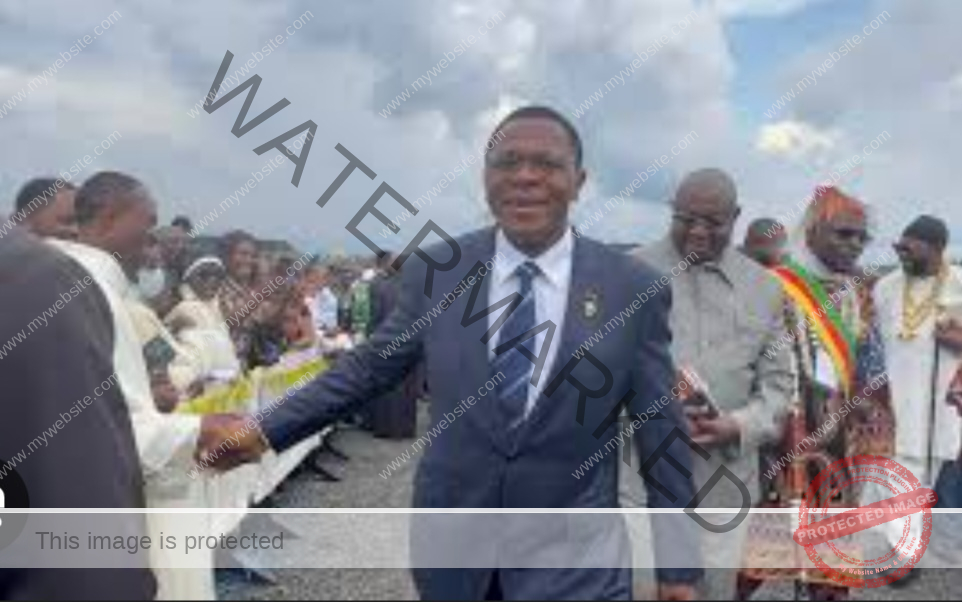


The masquerade may still be playing to the cameras. But for many on the ground, its illusion has already collapsed.
By Timothy Enongene, Guest Editor-in-Chief, The Independentistnews
BAMENDA – 17 April 2026 – While global attention was fixed on the spiritual significance of the Papal visit, a very different spectacle unfolded on the streets of Bamenda: a carefully staged political performance that many residents viewed not as leadership, but as propaganda.
At the centre of that spectacle was Paul Atanga Nji, a senior regime figure long associated, in the eyes of many in the Northwest and Southwest, with coercive politics, manipulation, and fear. To his supporters, the public displays surrounding his presence may have been intended to project authority and relevance. To his critics, however, they looked like something else entirely: an attempt to sanitise a record overshadowed by violence, mistrust, and deep public anger.
Particularly troubling are longstanding local allegations about networks of armed operatives and proxy actors said to have operated in conflict zones under murky circumstances. For years, residents, activists, and observers have raised concerns that criminal violence, false-flag tactics, and deliberate acts of destabilisation have too often been used to discredit the independence struggle and terrorise civilians. These allegations require serious, independent investigation. They cannot simply be dismissed, especially in a region where impunity has too often replaced accountability.
The chants of “Atango” heard this week did not strike many onlookers as spontaneous. Reports from the ground suggest an organised mobilisation effort designed to manufacture an image of popularity. If so, the message was clear: create the appearance of support, however artificial, and hope the cameras do the rest. Three elements stood out.
First, the crowd optics.
Witnesses described what appeared to be a managed turnout, with vulnerable and economically distressed people allegedly assembled to fill space, shape perception, and project enthusiasm. In a region exhausted by war and hardship, such displays raise serious ethical questions. Public consent cannot be rented.
Second, the symbolism of ambition.
What was striking was not merely the cheering, but the posture. The smiling, the waving, the carefully performed confidence suggested more than routine political visibility. To many, it looked like a man rehearsing for succession rather than simply representing the state. Whether that ambition is real or exaggerated, the optics were unmistakable.
Third, the desperation of a collapsing elite culture.
As the regime continues its internal manoeuvring, familiar patterns are re-emerging: competition, insecurity, and personal myth-making. In such moments, image becomes currency. But no amount of money, choreography, or slogan engineering can erase the memory of suffering in the Northwest and Southwest.
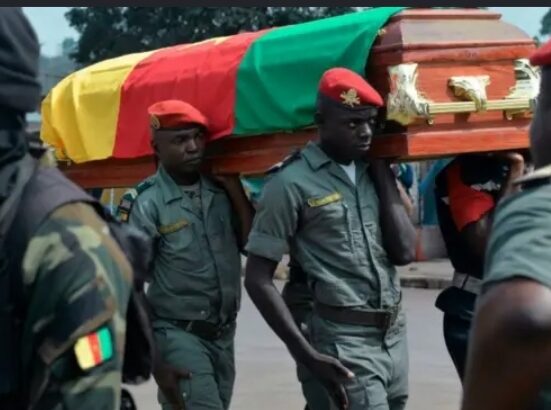
That is the deeper failure of this theatre. A crowd can be assembled. A chant can be coached. A motorcade can be polished. But none of that can silence lived experience. None of it can restore legitimacy where trust has been broken. None of it can make people forget the funerals, the displacement, the fear, and the destruction that continue to define daily life for so many.
This is why the international community must look more carefully at what it is seeing. Manufactured adulation is not evidence of public confidence. Spectacle is not legitimacy. And in a conflict already distorted by propaganda, staged performances should be treated with scepticism, not as proof of political standing.
If there are allegations of proxy violence, manipulated insecurity, or orchestrated public deception, they deserve credible scrutiny from independent human rights bodies and international observers. The people of Southern Cameroons have lived too long under narratives imposed from above. What they need now is not more theatre, but truth.
The masquerade may still be playing to the cameras. But for many on the ground, its illusion has already collapsed.
Timothy Enongene, Guest Editor-in-Chief, The Independentistnews