










Roads can connect towns. They can facilitate trade. They can improve daily life. But they cannot erase memories of abandonment. They cannot restore confidence in institutions that appear to correct errors without restoring freedom. They cannot substitute for political solutions to political crises
By Ali Dan Ismael, Editor-in-Chief, The Independentistnews
When Cameras Come, Development Suddenly Appears. For decades, the Northwest Region has been treated as a peripheral territory — politically inconvenient, economically neglected, and administratively marginalised. Roads collapsed into dust. Public services deteriorated. Entire communities adapted to abandonment as a condition of life.
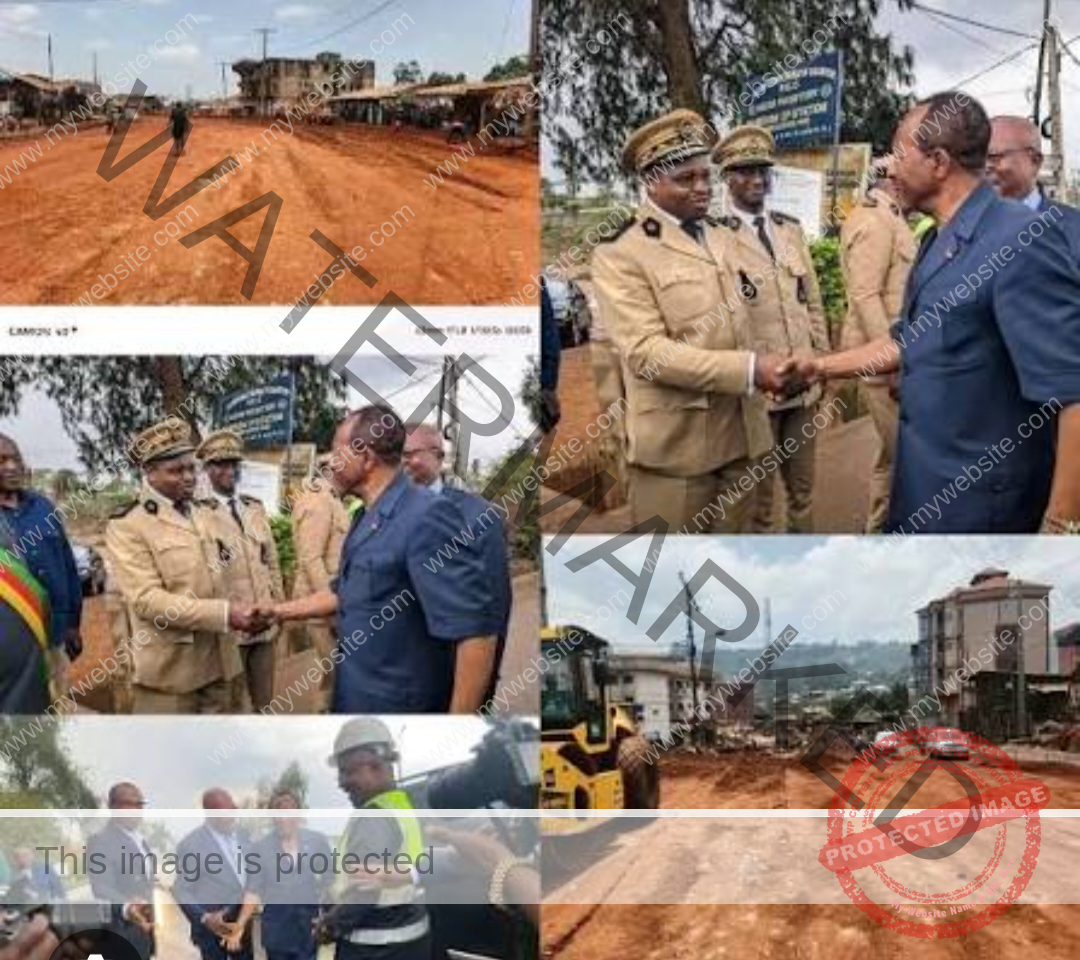
Yet suddenly, on the eve of the Pope’s visit to Bamenda, we are told that salvation is on the way — Bamenda–Wum, Bamenda–Ndop, Mesaje, and the Nigerian frontier. We are told that financing is being pursued with the African Development Bank. We are told that social amenities will follow. We are told, in effect, that development has finally been rediscovered. But the people of this land are not naïve. They know the difference between governance and performance.
A Colonial Administrator’s Performance on Star TV
Nothing captures the theatrical nature of this sudden rediscovery of “development” more vividly than the recent appearance of a colonial administrator on Star TV in Bamenda.
With cameras rolling and rehearsed confidence, he outlined sections of roads that would soon be “contacted,” promised partnerships with international financiers, and spoke of social amenities that would “ameliorate the living conditions of the population.”
To many viewers, the performance sounded less like a plan rooted in long-term governance and more like a public relations script delivered at the precise moment global attention converges on the region. The language was technocratic. The tone was reassuring. The timing was revealing.
For communities that have spent years navigating cratered highways, impassable feeder roads, and economic isolation, the broadcast felt less like reassurance and more like a mockery of lived reality — a reminder that development often arrives first as rhetoric before it materialises as concrete.
Infrastructure as Pacification Strategy
Let us speak plainly. Infrastructure in conflict zones is not always development policy. Sometimes it is political messaging — a calculated attempt to stabilise perception rather than address root causes.
Roads are announced when legitimacy is weak. Projects are revived when scrutiny intensifies. Promises multiply when international figures prepare to visit. This is not transformation. It is crisis management. It is the art of appearing responsive without confronting the deeper political questions that gave birth to the conflict in the first place.
The NERA 10: Justice Suspended in Mid-Air
Nothing exposes the contradiction more starkly than the treatment of the NERA 10. After years of imprisonment under life sentences, their convictions have been quashed. This should have been a turning point — a moment to restore legal credibility and demonstrate that the system can correct itself. Instead, they remain behind bars. Not freed. Not vindicated. Simply transferred from one uncertainty to another — a retrial without liberty. This is not judicial prudence. It is political containment. It sends a chilling message: even when legal errors are acknowledged, freedom is negotiable. Families continue to wait. Lives remain paused. Justice is reduced to procedure while detention continues as reality.
Peace Cannot Be Manufactured for Pilgrimage
The Pope’s visit to Bamenda is being framed as a moment of reconciliation. Authorities appear eager to showcase calm streets, development plans, and administrative goodwill. But peace is not a backdrop that can be arranged for distinguished visitors. It is the outcome of truth, accountability, and political courage.
Communities that have endured displacement, militarisation, and economic suffocation cannot be persuaded that reconciliation has begun simply because construction contracts are announced. Symbolism cannot substitute for substance. And no amount of asphalt can bury unresolved grievances.
Timing Reveals Strategy
If these roads are essential — and they are — why were they not prioritised when markets were burning, when schools were closing, when farmers could not transport produce, when hospitals were overwhelmed? Why now? Why when global attention intensifies? Why when the narrative of stability must be urgently constructed?
Development that appears only under diplomatic pressure risks being perceived as an instrument of control rather than empowerment. Trust cannot be built on schedules dictated by international optics.
A Population That Refuses to Be Managed
The people of the Northwest are not opposed to roads. They are opposed to being governed through spectacle. They are opposed to development used as a bargaining chip while political detainees remain incarcerated. They are opposed to a cycle in which crises produce promises, promises produce headlines, and headlines produce silence once the spotlight moves elsewhere.
What they demand is not extraordinary:
Credible justice. Consistent investment. Meaningful political dialogue. Institutional accountability. These are the foundations of durable peace. Anything less is temporary theatre.
Conclusion: Asphalt May Quiet Dust — It Cannot Silence History
Roads can connect towns. They can facilitate trade. They can improve daily life. But they cannot erase memories of abandonment. They cannot restore confidence in institutions that appear to correct errors without restoring freedom. They cannot substitute for political solutions to political crises.
If development is to be meaningful, it must walk hand in hand with justice. Until then, every ribbon cut in the Northwest will be measured not by the length of the road, but by the distance between promise and trust. And that distance remains long.
Ali Dan Ismael, Editor-in-Chief, The Independentistnews



Leave feedback about this