









News commentary

We are home to news on Cameroon and the CEMAC region. We are dedicated to honest and reliable reporting. We are the voice of the Cameroonian people and their fight for freedom and democracy at a time when the Yaoundé government is silencing dissent and suppressing democratic voices.

Accountability requires more than asking difficult questions. It requires accepting answers supported by evidence and rejecting accusations that cannot be substantiated. The principles of truth, due process, civilian protection and respect for human life must apply to everyone involved in the conflict.
By Timothy Enongene
Associate Editor-in-Chief, The Independentist News
As Amazon associate this site earns from qualifying purchases
Buy your copies of books on Ambazonia’s productive Sovereignty and statecraft By Martin Mungwa from Amazon
https://www.amazon.com/s?k=martin+mungwa&crid=168UPC66G6B3&sprefix=martin+mungwa%2Caps%2C477&linkCode=ll2&tag=njokings-20&linkId=55ebd8b2b5ef3b8d9cfd0feb9a7509f9&language=en_US&ref_=as_li_ss_tl
When Human Rights Advocacy Raises Questions of Trust
BUEA –October 21, 2026 – In a conflict marked by violence, displacement and deep political mistrust, human rights advocates play an important role in protecting civilians, documenting abuses and facilitating humanitarian engagement. But when an advocate develops close relationships with armed combatants, legitimate questions may arise about the nature, purpose and limits of that access.
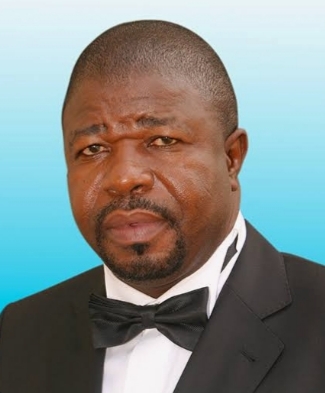
Such questions now surround Barrister Tambe Tiku, a human rights lawyer whose reported audio statements have prompted concerns about his relationships with Ambazonia fighters, his references to various networks of communication and his alleged involvement in discussions about disarmament, demobilisation and reintegration (DDR).
The central issue is not whether a human rights lawyer should communicate with combatants. Such contact can be entirely legitimate and sometimes lifesaving. The question is whether those relationships are transparent, whether the individuals involved understand their purpose and whether humanitarian access is being used exclusively for legitimate and disclosed activities.
The allegations surrounding Tambe Tiku remain unverified. Nevertheless, the issues raised by the reported statements warrant careful, evidence-based examination.
What Are Upper, Horizontal and Vertical Linkages?
One of the most intriguing aspects of the reported audio concerns Tambe Tiku’s references to what he describes as upper, horizontal and vertical linkages. What exactly do these terms mean?
Are they ordinary networks connecting human rights organisations, community representatives and international institutions? Do they involve communication with La République du Cameroun (LRC) authorities, security agencies or DDR officials? What information passes through these channels, and under what safeguards? These distinctions matter.
A human rights advocate may legitimately maintain contacts across opposing parties to secure humanitarian access, negotiate detainee releases or assist vulnerable civilians. Such activities do not constitute evidence of misconduct.
However, where an intermediary maintains relationships with combatants, transparency about the nature of those relationships is important. Tambe Tiku should therefore be given an opportunity to explain what these linkages represent and how they relate to his professional responsibilities.
The Sagat and Shaggy Questions
Another concern involves Tambe Tiku’s reported relationship with the late Ambazonia fighter known as General Sagat. According to the account attributed to him, Tambe Tiku allegedly suggested that he possessed information about those responsible for Sagat’s death but could not disclose it because doing so might endanger his life.
If accurately reported, such a statement raises important questions. What information does he possess? Is it based on firsthand knowledge, confidential sources or unverified accounts? Has any relevant information been provided to investigators?
His reported concerns about personal safety must also be taken seriously. A person may have legitimate reasons to protect confidential sources or avoid exposing himself and others to danger. Related questions concern the capture of a fighter known as Shaggy and the alleged involvement of an individual reportedly associated with Sagat.
A relationship, a statement or a disputed chronology does not establish participation in a killing, capture or intelligence operation. Any suggestion that Tambe Tiku knowingly facilitated such actions requires independent corroboration. Without credible evidence, these remain allegations rather than established facts.
Is Human Rights Engagement Becoming a Channel for DDR?
Perhaps the most consequential concern is the allegation that Tambe Tiku has encouraged Ambazonia fighters to abandon armed struggle and enter DDR programmes.
A human rights lawyer may properly advise combatants about surrender, demobilisation, legal consequences and alternatives to continued fighting. Encouraging someone to leave armed conflict is not inherently improper and does not establish collaboration with LRC authorities. The essential issue is informed and voluntary decision-making.
Are fighters receiving accurate information about what DDR entails? Are they informed of potential detention, prosecution or security risks? What guarantees exist regarding their treatment? Are any promises independently verifiable?
These questions are especially important because demobilisation decisions can have lasting consequences for individuals and their families. If Tambe Tiku is advising fighters about DDR, clarity about his role, the information provided and any institutional relationships would help address public concerns.
The relevant standard is not whether an advocate supports or opposes a particular political outcome. It is whether the advocate acts transparently, respects confidentiality and avoids deception or coercion. Human Rights Advocacy Must Remain Accountable Human rights work requires independence and consistency.
Organisations defending civilians must be prepared to document abuses by government forces and non-state armed groups alike. They may also advocate humanitarian access, ceasefires, negotiations and peaceful conflict resolution. Such activities should not automatically be interpreted as taking the side of one party.
Equally, the status of a human rights advocate should not prevent reasonable questions about professional conduct, confidentiality or conflicts of interest. Trust is important, but transparency and evidence are essential to sustaining it.
Six Questions Requiring Clarification
Barrister Tambe Tiku should be afforded an opportunity to address six questions arising from the reported audio:
The linkages: What are the upper, horizontal and vertical networks he reportedly described, and what purposes do they serve?
LRC connections: Does he maintain professional relationships with LRC security institutions or DDR authorities, and what are their limits?
General Sagat: What does he know about the circumstances surrounding Sagat’s death, and can relevant information be provided safely to independent investigators?
Shaggy’s capture: Does he possess independently verifiable information about the reported capture and the individuals allegedly involved?
DDR engagement: Does he advise Ambazonia fighters about demobilisation, and what safeguards accompany that advice?
Personal security: What general explanation can he provide for his reported concerns about disclosing sensitive information without endangering himself or confidential sources?
These questions are not findings of guilt. They are requests for clarification concerning matters of public interest.
Conclusion: Accountability Must Be Built on Evidence
The Ambazonia conflict has generated an environment in which mistrust can quickly turn unanswered questions into serious accusations. That danger must not be underestimated. Barrister Tambe Tiku’s reported statements merit examination, particularly regarding his networks, his knowledge of sensitive incidents and his engagement with fighters considering demobilisation. But suspicion alone cannot establish wrongdoing.
Any allegation that he facilitated the death, capture or betrayal of an Ambazonia fighter must be supported by credible evidence and examined through a fair, independent process. Human rights advocates should be transparent about their professional roles while protecting legitimate confidentiality. Combatants considering demobilisation should receive independent legal advice and reliable information about their rights and potential risks.
Accountability requires more than asking difficult questions. It requires accepting answers supported by evidence and rejecting accusations that cannot be substantiated. The principles of truth, due process, civilian protection and respect for human life must apply to everyone involved in the conflict.
The Independentist News will continue to distinguish verifiable facts from allegations and provide a fair opportunity for those named in its reporting to respond.
As Amazon associate this site earns from qualifying purchases
Buy your copies of books on Ambazonia’s productive Sovereignty and statecraft By Martin Mungwa from Amazon
https://www.amazon.com/s?k=martin+mungwa&crid=168UPC66G6B3&sprefix=martin+mungwa%2Caps%2C477&linkCode=ll2&tag=njokings-20&linkId=55ebd8b2b5ef3b8d9cfd0feb9a7509f9&language=en_US&ref_=as_li_ss_tl
Timothy Enongene
Associate Editor-in-Chief, The Independentist News
Share This Post:
ALBERTA, QUEBEC AND AMBAZONIA: OUR HISTORY IS A DIFFERENT BALL GAME
THE AMBAZONIAN STRUGGLE, TWO HISTORIES, ONE FUNDAMENTAL DISTINCTION: The capture of a commander cannot resolve an unresolved national question.
Related Post
SMEARING THE VULNERABLE WILL NEVER HELP LRC AGAINST AMBAZONIA:
AVAILABLE ON AMAZON NOW !!!!!!! A BRIEF HISTORY OF
ALBERTA, QUEBEC AND AMBAZONIA: OUR HISTORY IS A DIFFERENT
THE AMBAZONIAN STRUGGLE, TWO HISTORIES, ONE FUNDAMENTAL DISTINCTION: The
Spiritual Choke Point: Reclaiming Direct Access, Ethical Consciousness, and
A PRESIDENT WHO “VISITS” HIS OWN COUNTRY: BIYA’S REPORTED