










News commentary

We are home to news on Cameroon and the CEMAC region. We are dedicated to honest and reliable reporting. We are the voice of the Cameroonian people and their fight for freedom and democracy at a time when the Yaoundé government is silencing dissent and suppressing democratic voices.

Whether this transition leads to meaningful progress will depend on both international response and developments within the region. For now, the situation remains defined by uncertainty—balanced between the hope of accountability and the reality of ongoing tension.
By Timothy Enongene
Guest Editor-in-Chief, The Independentistnews
On Special Assignment, Bamenda
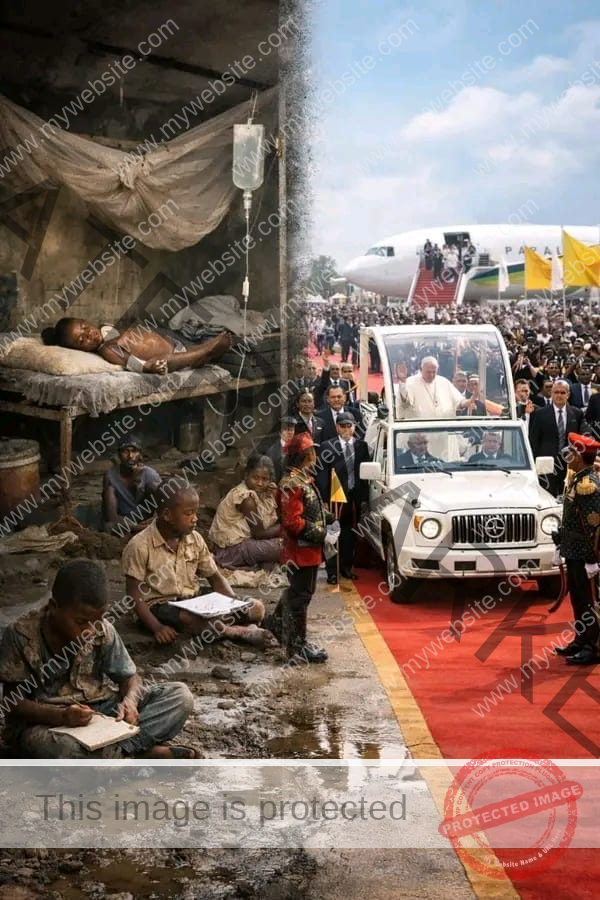
BAMENDA (April 16, 2026) – The departure of Pope Leo XIV has not marked an end, but a transition. While his visit brought global attention to the situation, events on the ground and in international corridors suggest that a new phase is unfolding—one centered on documentation, accountability, and uncertainty.
Part I: Pathways to International Documentation
In the wake of the visit, attention has turned to mechanisms for formally documenting cases of disappearance and alleged abuses.
Families seeking international recognition of such cases may consider submitting information to relevant United Nations mechanisms, including those that track enforced or involuntary disappearances. Key elements typically required for such submissions include:
Victim identification: Full name, date of birth, and occupation. Details of disappearance: Date, location, and circumstances. Alleged perpetrators: Where known or reasonably identified. Actions taken: Whether the case was reported locally or reasons for not doing so Such processes are designed to ensure that cases are recorded, monitored, and, where possible, followed up through international channels.
Part II: Developments in Bafut
While international processes begin to take shape, the situation on the ground remains fluid. Reports from Bafut and surrounding areas indicate increased military presence and heightened tension later in the evening. Movement restrictions and localized security operations have contributed to growing concern among residents.
Although details remain difficult to independently verify in real time, the perception of escalation is itself significant—shaping how communities assess risk and respond.
Part III: A Shift from Visibility to Accountability
The Papal visit created a moment of global visibility. What follows may determine whether that visibility translates into sustained engagement.
On one front, documentation efforts aim to bring individual cases into international frameworks. On another, developments on the ground continue to influence immediate realities for those living in affected areas.
Conclusion: A Critical Transition
This moment represents a turning point—not of resolution, but of direction. The focus is shifting: From public attention to formal documentation
⁴From symbolic recognition to potential accountability. From a moment of visibility to the challenge of sustained follow-through
Whether this transition leads to meaningful progress will depend on both international response and developments within the region. For now, the situation remains defined by uncertainty—balanced between the hope of accountability and the reality of ongoing tension.
Timothy Enongene
Guest Editor-in-Chief, The Independentistnews
On Special Assignment, Bamenda
Share This Post:
The “Atango” Masquerade: Power, Propaganda, and a Crisis of Credibility
THE POPE HAS SPOKEN. THE WORLD CAN NO LONGER PRETEND
Related Post
IS THE WORLD LISTENING: THREE DAYS FOUR FRONTLINES, ASA
SEPTEMBER 24, 1965, THIS DAY IN HISTORY: From Equal
AMBAZONIA’S WAR- IS BIGGER THAN YAOUNDÉ: BRITAIN, FRANCE AND
THE DAY SEPTEMBER 22 1961: — WHAT AMBAZONIA CAN
TRUMP’S “SUPER INTELLIGENCE” ERA: WHAT IT REALLY MEANS —
Why Is Ambazonia More Powerful Than many Imagine.