












Ambazonia must build a financial system that: Protects capital
grows capital, deploys capital wisely. When we control our capital, we control our future. And when we control our future, our independence becomes not just a dream—but a durable reality.
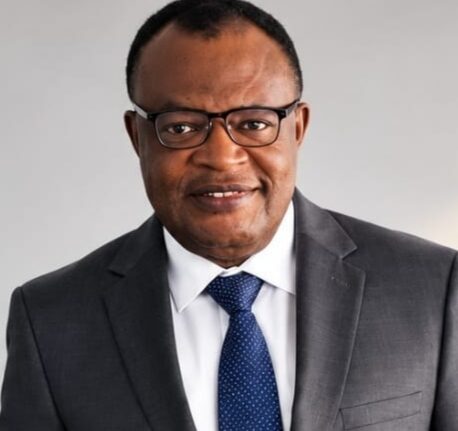
By Dr. Martin Mungwa, PhD., F.ASCE
Guest Contributor | The Independentist News
Introduction: Independence Runs on Capital
Let us speak plainly. No nation sustains independence without controlling its capital. Flags may rise, governments may form, and constitutions may be written—but without financial control, independence remains fragile. Capital is the engine. Control is the steering wheel. Without both, the nation cannot move forward with stability or direction. Ambazonia must understand this clearly: whoever controls capital controls decisions, and whoever controls decisions controls the future.
The Hidden Reality: Capital Is Power
Many people think power is political. In reality, power is financial. The one who finances projects influences priorities. The one who lends money influences decisions The one who controls liquidity controls timing. If a nation depends entirely on external capital, it cannot make independent decisions.
This is why many countries remain economically dependent even after gaining political independence. Their budgets, development plans, and priorities are shaped by external financial interests. Ambazonia must avoid this trap.
“Control the capital, and you control the future. Lose the capital, and you negotiate your survival.”
— Dr. Martin Mungwa
The Three Levels of Capital Control
To build a strong financial engine, capital must be controlled at three levels: the individual, the institution, and the nation.
Individual Level — Financial Discipline and Ownership
Every citizen must learn to manage, protect, and grow their own capital. Without individual financial discipline, national systems cannot succeed. People must move from consumption to ownership, from spending to building.
Institutional Level — Structured Capital Systems
Organizations such as churches, cooperatives, and businesses must build internal capital systems. These institutions can pool resources, provide financing, and create economic stability within communities. Strong institutions reduce dependence on external funding.
National Level — Strategic Capital Direction
At the national level, capital must be directed toward long-term priorities such as infrastructure, production, education, and innovation. National leadership must ensure that capital is deployed strategically, not wasted or mismanaged.
From Borrowing to Building
One of the greatest shifts Ambazonia must make is moving from borrowing capital to building capital. Borrowing creates dependency. Building creates control. When a nation constantly borrows: it pays interest instead of building wealth. it follows conditions instead of setting direction. it reacts instead of planning. When a nation builds capital: it funds its own priorities. it controls its timeline. it creates long-term stability. This shift is not optional—it is essential.
The Role of Financial Systems
Capital does not grow by accident—it grows through systems. Structured financial systems allow capital to: be stored safely, grow consistently, be accessed when needed, be redeployed strategically. This is where disciplined financial frameworks—such as capital reservoirs and controlled lending systems—become critical. They allow money to work continuously rather than being lost through consumption or inefficiency.
Breaking the Cycle of Financial Weakness
Financial weakness often follows a clear pattern: income is earned, income is spent quickly, little is saved or invested, dependency increases. To break this cycle, Ambazonia must: encourage saving and capital formation. Promote investment over consumption. Develop internal financing systems. Reduce reliance on external borrowing. Capital must be protected before it is deployed.
Strategic Insight: Why Capital Control Is the Final Lever
If mindset is the foundation, and leadership is the structure, then capital is the engine. Without capital: ideas cannot be implemented, systems cannot be sustained, progress cannot be scaled. With capital control: Priorities can be funded, systems can be strengthened, independence can be sustained. Capital control transforms vision into reality.
Conclusion: The Engine of a Free Nation
My brothers and sisters, A nation without capital control is like a vehicle without an engine. It may look complete, but it cannot move. Ambazonia must build a financial system that: Protects capital
grows capital, deploys capital wisely. When we control our capital, we control our future. And when we control our future, our independence becomes not just a dream—but a durable reality.
Dr. Martin Mungwa, PhD., F.ASCE
Guest Contributor | The Independentist News





Leave feedback about this