

The state wants the optics of unity without addressing the fracture beneath it. It wants emotional symbolism without political accountability. It wants the image of reconciliation without the difficult concessions reconciliation demands. And perhaps that is why the doves stayed behind. Because even they understood that peace cannot fly where truth is still grounded.
By Ali Dan Ismael
Editor-in-Chief, The Independentist News
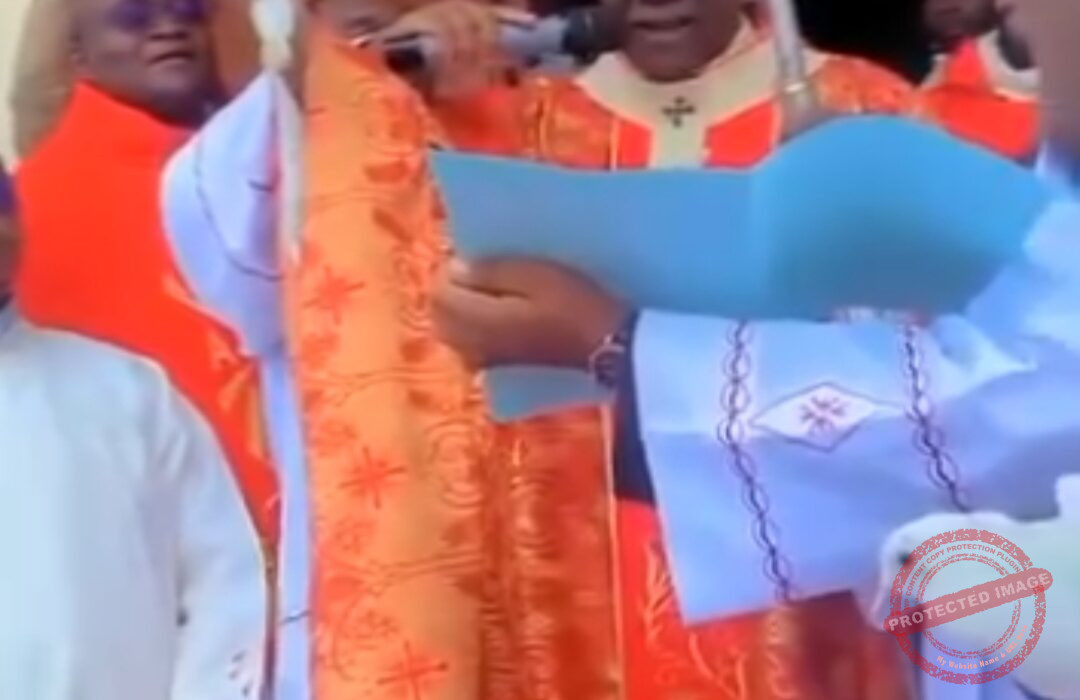
There are moments in politics when symbolism becomes more powerful than speeches. And then there are moments when symbolism itself revolts. During the regime’s carefully choreographed May 20 festivities in Yaoundé, Archbishop Jean Mbarga participated in what has become a familiar state ritual: prayers for peace, invocations of national unity, and the ceremonial release of white doves into the sky — the universal political theatre of reconciliation. But this year, something went unexpectedly wrong. The doves refused to fly.
There, before cameras, officials, dignitaries, and state propagandists, the birds reportedly remained grounded, unwilling to participate in the performance. For many Cameroonians and Ambazonians watching the spectacle unfold, the moment instantly transcended comedy. It became metaphor. Because perhaps, in that awkward few seconds, the entire crisis of the Cameroonian state revealed itself more honestly than any government communiqué ever could.
For years, Yaoundé has mastered the aesthetics of peace while avoiding the substance of justice. It organises parades while villages burn. It releases doves while deploying military raids. It recites prayers for unity while entire populations feel governed through suspicion, occupation, and force.
The problem is not the prayer itself. Africans are deeply spiritual people, and prayers for peace are noble. The problem arises when prayer is transformed into political decoration — when symbolic gestures are repeatedly used to mask unresolved structural violence. One cannot militarise a territory for years, criminalise political dissent, imprison activists, burn communities, and then expect a pair of ceremonial birds to validate the illusion of harmony before international cameras.
Even nature appeared unconvinced.
The image struck many observers precisely because it felt unintentionally honest. The doves did not soar triumphantly into the sky as scripted. They hesitated. They lingered. They resisted the cue. In many ways, they behaved exactly like the national question itself: unresolved, uncomfortable, and refusing to disappear simply because officials wished it away for a national holiday broadcast. Political legitimacy cannot be manufactured through choreography.
Peace is not created by parade formations, military flyovers, staged unity slogans, or religious symbolism placed beside unresolved conflict. Real peace emerges from political courage: the willingness to confront historical grievances honestly, apply equal standards of justice, and recognise the humanity of all populations under the state’s authority. That is precisely where the Cameroonian crisis continues to fail.
The state wants the optics of unity without addressing the fracture beneath it. It wants emotional symbolism without political accountability. It wants the image of reconciliation without the difficult concessions reconciliation demands. And perhaps that is why the doves stayed behind. Because even they understood that peace cannot fly where truth is still grounded.
Ali Dan Ismael
Editor-in-Chief, The Independentist News