

Resolve differences through dialogue, law, mediation, and community institutions. Protect the innocent. Preserve trust. Refuse to hand ordinary disputes over to forces whose intervention may produce consequences far beyond anything the caller intended. Once armed violence enters a community, no one controls where it ends.
By Carl Sanders
Guest Writer The Independentist News, Soho, London
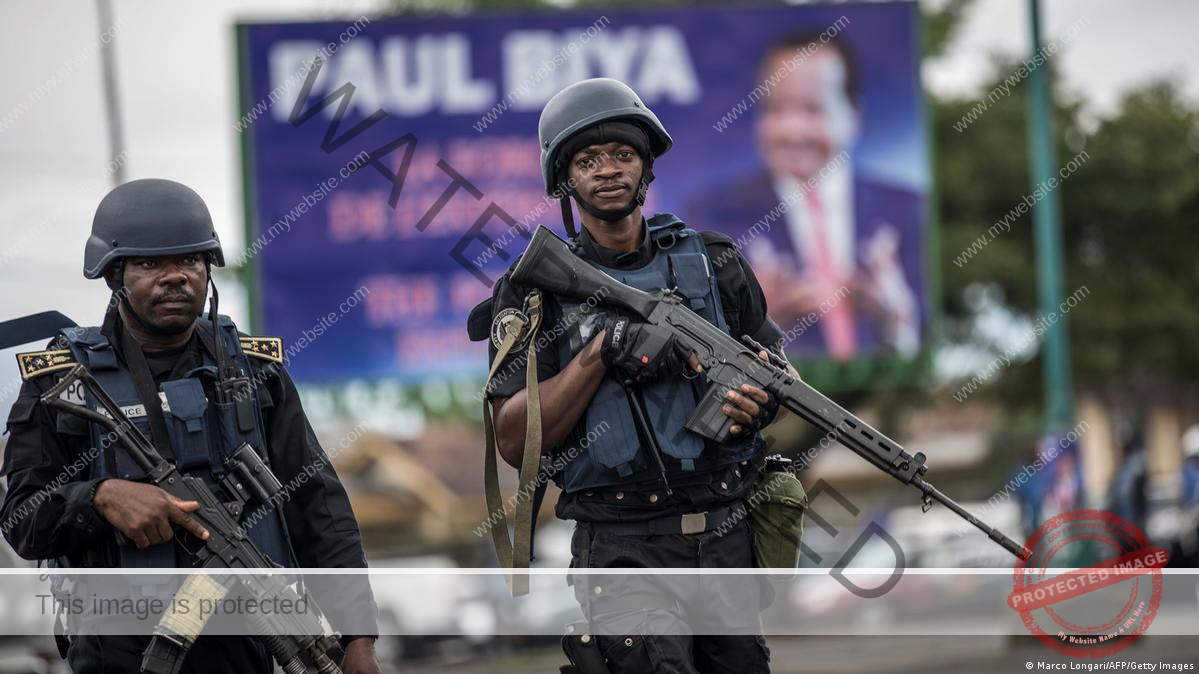
BAMENDA – 11 July 2026 – A dangerous habit has taken root in some communities across Southern Cameroons: the belief that when a dispute becomes bitter, one can call armed security forces to intimidate a neighbor, business partner, relative, or local rival. This must stop. Calling heavily armed forces into a private or communal disagreement is not conflict resolution. It is an invitation to escalation, fear, and potentially irreversible tragedy.
Soldiers are not judges. They are not mediators. They are not trained to settle land disputes, recover debts, resolve family quarrels, or determine who is right in a neighborhood disagreement. Their presence immediately changes the character of the conflict. A matter that might have been resolved through dialogue, customary authority, mediation, or the courts can suddenly become a security operation.
In a region already shaped by suspicion, armed confrontation, and years of violence, even inaccurate information can have devastating consequences. A personal accusation may be treated as intelligence. A rumor may be mistaken for evidence. A frightened movement may be interpreted as resistance. Once weapons are introduced, there is no guarantee that events will remain under anyone’s control.
The person who makes the call may believe that the forces will target only the accused. But bullets do not distinguish between the complainant, the accused, and the innocent people nearby. A raid may place an entire household, compound, street, or village at risk.
The tragedies associated with Ngarbuh, Mautu, Missong, Ndzerem-Nyam, and other affected communities remain painful reminders of how quickly military operations based on fear, confusion, or disputed intelligence can lead to civilian deaths. Whatever the competing accounts surrounding individual incidents, one fact is beyond dispute: ordinary families continue to carry the heaviest burden of the conflict.
No personal grievance is worth exposing an entire community to that danger. Land disputes should be taken to recognized family authorities, traditional councils, lawful mediation bodies, or competent courts. Business disagreements should be documented and resolved through legal or professional channels. Family conflicts should be handled through dialogue, trusted elders, religious leaders, or trained mediators. Serious crimes should be reported through accountable civilian procedures that protect both the complainant and the accused.
Community leaders also have a responsibility to strengthen peaceful mechanisms before disputes escalate. Traditional rulers, quarter heads, clergy, lawyers, teachers, and civil society organizations should establish trusted channels through which grievances can be heard fairly and promptly.
This is not a call to conceal crime, protect wrongdoing, or obstruct lawful justice. It is a call to reject the reckless use of armed force as a weapon in personal disputes. Justice requires evidence, due process, proportionality, and accountability. It should never be reduced to a whispered accusation followed by a military raid.
Communities must also resist false accusations and personal vendettas. Labeling someone a fighter, informant, collaborator, or enemy without proof can destroy lives and trigger cycles of retaliation. In times of conflict, words can become weapons. They must therefore be used with discipline and responsibility.
The safest community is not the one with the most guns at its doorstep. It is the one with the strongest trust, the fairest institutions, and the most reliable means of resolving disputes without violence.
This weekend, every family, quarter, and village should reaffirm a simple principle: private grievances must not be militarized. Do not turn a family quarrel into a security operation. Do not turn a business dispute into a raid. Do not turn a land disagreement into a funeral.
Resolve differences through dialogue, law, mediation, and community institutions. Protect the innocent. Preserve trust. Refuse to hand ordinary disputes over to forces whose intervention may produce consequences far beyond anything the caller intended. Once armed violence enters a community, no one controls where it ends.
By Carl Sanders
Guest Writer The Independentist News, Soho, London