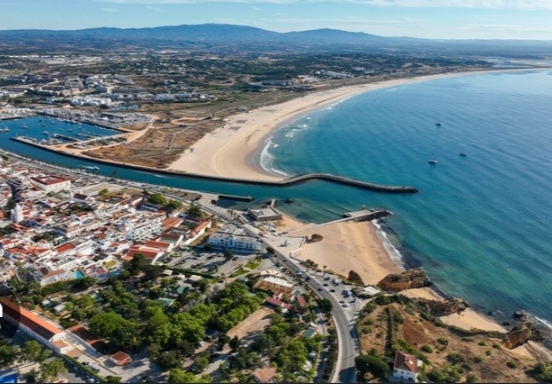


Future generations will not judge today’s engineers by the number of projects they delivered. They will judge them by whether those projects still function after the storms arrive. The climate has changed. The laws of physics have not. Engineering must now bridge the gap between the two.
By Martin Mungwa, PE, PhD, F.ASCE
Engineering with Nature Rather Than Against It
“The climate has changed. The laws of physics have not. Engineering must now bridge the gap between the two.” Nature Is Infrastructure Too For much of the twentieth century, engineering sought to dominate nature. Rivers were straightened. Wetlands were drained and filled. Mangrove forests were removed. Floodplains were urbanized. Coastlines were hardened with concrete revetments, seawalls, and steel structures.
Many of these interventions solved immediate engineering problems while creating larger and more expensive vulnerabilities for future generations. The challenge facing twenty-first-century engineers is not simply to build stronger infrastructure. It is to build smarter infrastructure.
Increasingly, engineers around the world are rediscovering the immense protective value of natural systems and recognizing that nature itself performs critical engineering functions.
Mangrove forests dissipate storm surge energy before it reaches developed areas. Wetlands act as natural retention basins, storing floodwaters and reducing downstream flooding. Sand dunes absorb wave energy and protect inland communities from coastal erosion. Floodplains provide temporary storage for excess river flows and reduce peak flood elevations. Urban forests reduce temperatures, intercept rainfall, and decrease stormwater runoff volumes.
Nature frequently performs these services at lower cost and with greater long-term sustainability than conventional infrastructure alone. The future of climate adaptation does not lie in choosing between engineered infrastructure and natural systems. The future belongs to hybrid solutions that combine the strengths of both.
The most resilient cities of the future will integrate wetlands with levees, mangroves with seawalls, parks with flood storage systems, and green infrastructure with conventional drainage networks. The engineering profession is increasingly recognizing a simple but profound truth: Nature is infrastructure too.
Africa’s Coastlines Require a New Vision
Africa possesses some of the fastest-growing coastal cities in the world. Lagos. Douala. Abidjan. Alexandria. Mombasa. Dar es Salaam. Luanda. Many of these rapidly expanding metropolitan regions face the combined threats of sea-level rise, land subsidence, coastal erosion, saltwater intrusion, and increasingly intense storms.
Infrastructure decisions made over the next two decades will determine whether these cities become engines of prosperity or recurring disaster zones. The coastlines of the future cannot be planned using the assumptions of the past. Modern coastal planning should incorporate a new generation of resilience measures, including: Coastal setback zones that limit development in high-risk areas. Managed development corridors that guide urban growth toward safer locations. Elevated critical infrastructure designed to remain operational during flooding. Floodable public spaces that safely accommodate excess stormwater. Living shorelines that combine ecological restoration with erosion control. Large-scale mangrove restoration programs. Storm surge barriers where engineering analysis justifies their use. Climate-adjusted building codes that reflect future rather than historical risks.
The cost of prevention is almost always lower than the cost of reconstruction. Engineers Must Lead Climate Adaptation. Climate adaptation is often portrayed as an environmental issue. Others view it primarily as a political issue. In reality, it is fundamentally an engineering challenge.
Engineers determine design flood elevations. Engineers size drainage systems. Engineers establish structural design standards. Engineers design transportation networks. Engineers protect electrical systems. Engineers determine whether hospitals remain operational after storms. Engineers determine whether airports continue functioning during emergencies. Engineers determine whether cities recover within days or remain paralyzed for months.
The engineering profession therefore occupies a central position in Africa’s climate future. The continent cannot afford to rely exclusively upon solutions developed for different climates, different economies, and different geographies. Africa requires African engineering solutions designed by African engineers for African realities. The future resilience of African cities will depend not only on political leadership and financial investment, but also on engineering leadership.
Building the Climate-Resilient Continent
The greatest infrastructure investment cycle in African history is now underway. Across the continent, governments will build new cities, ports, highways, railways, airports, industrial parks, electrical systems, water networks, and digital infrastructure over the coming decades.
This presents one of the greatest opportunities in modern African history. Africa can avoid repeating the mistakes made elsewhere. The continent can leap directly toward climate-resilient infrastructure designed for the realities of the twenty-first century rather than the assumptions of the twentieth. Future generations will not judge today’s engineers by the number of projects they delivered. They will judge them by whether those projects still function after the storms arrive. The climate has changed. The laws of physics have not. Engineering must now bridge the gap between the two.
Martin Mungwa, PE, PhD, F.ASCE