








Editorial series

Editorial series

PROPHECY, POLITICS, AND THE AMBAZONIAN QUESTION (PART V) — PRAYER OR POLITICAL ACTION? When Spiritual Dependence Risks Becoming Political Passivity

A people’s future requires more than confidence that circumstances will change. It requires decisions, institutions, knowledge, resources, and sustained public participation. Pray for peace. Support those suffering. Pray for wisdom. Examine the decisions made in the people’s name. Pray for a better future. Help build the capacity to sustain it. When the prayer meeting ends,
Read More
Editorial series

PROPHECY, POLITICS, AND THE AMBAZONIAN QUESTION (PART IV) BUSINESS OF PROPHECY — Social Media, Attention, Influence, Donations, and the New Economics of Spiritual Authority

Faith can sustain a people through hardship. Public trust can sustain institutions through uncertainty. Both are weakened when promises become sales instruments or scrutiny is treated as disobedience. Where prophecy brings attention, influence, and money, responsibility must grow with it. The people’s hope deserves care. Their contributions deserve an account. Their political future deserves decisions

Read More
Editorial series

PROPHECY, POLITICS, AND THE AMBAZONIAN QUESTION (PART III) Why Failed Predictions Disappear, Successful Predictions Go Viral, and Political Movements Must Preserve the Record

A political movement must be able to learn from disappointment. That becomes impossible when each failed prediction disappears and every apparent success is replayed indefinitely. Preserving the record gives people a basis for judgment. It allows confidence to be tested, mistakes to be acknowledged, and future decisions to be made with greater care. By The

Read More
Editorial series

PROPHECY, POLITICS, AND THE AMBAZONIAN QUESTION (PART II) : Orock Betang, Political Predictions, the need for a Prophecy ledger and the Accountability Question Ambazonians Must Ask

No prophet should be permitted to turn the uncertainty of a suffering people into unquestioned authority. Ask questions. Preserve the videos. Record the dates. Compare predictions with events. Demand explanations. And maintain the ledger. Because if prophecy wishes to participate in politics, prophecy must also accept political accountability. By The Independentist News, Religious and Spiritual

Read More
Editorial series

PROPHECY, POLITICS, AND THE AMBAZONIAN QUESTION (PART I) : When Prediction Replaces Preparation, and Spectators Prepare to Claim a Victory They Did Not Build

For years, Ambazonians have asked: When will freedom come? Perhaps another question is now more urgent:If freedom came tomorrow morning, would we be ready to govern by tomorrow afternoon? That is where prophecy must meet responsibility. Faith can inspire liberation. Prayer can accompany liberation. Prophecy may anticipate liberation. But none of them should become substitutes

Read More
Editorial series

The Twilight of a Dynasty: Cameroon and the Structural End of the Biya Era

Whether the eventual transition unfolds through orderly succession, elite negotiation, military influence, or broader national instability remains unknown. What is increasingly clear, however, is that Cameroon is approaching the structural end of the Biya era. And an entire nation is now waiting to discover what comes next. By Timothy EnongeneGuest Editor-in-Chief, The Independentist News8 May

Read More
Editorial series

SIGNALS OF STRAIN: What the Nsimalen Incident Reveals About Elite Coordination in Cameroon

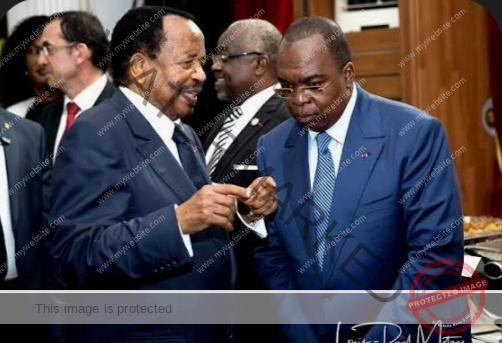
The grounding of a Prime Minister at the point of departure is an unusual event in any political system. In a centralized and transition-sensitive environment, it becomes analytically significant. By Timothy EnongeneGuest Editor-in-Chief, The Independentist News Editor’s Note: Timothy Enongene serves as Guest Editor-in-Chief for this special analysis series, bringing independent, policy-focused perspective to critical

Read More
Editorial series

THE SUCCESSION ARCHITECTURE: How Controlled Disruption Masks Power Transition in Cameroon

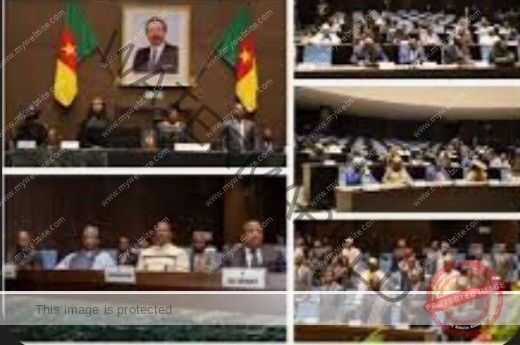
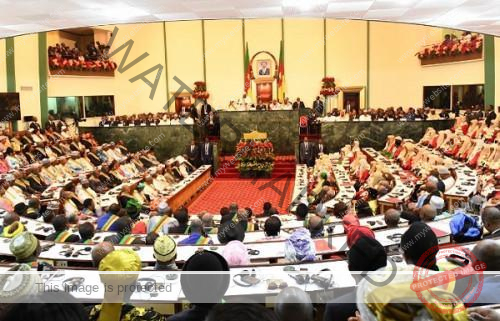
The recent changes in Cameroon’s National Assembly are not best understood as the beginning of a reform cycle. They are part of a succession architecture designed to ensure continuity within an established system of power. In such systems, disruption is often controlled, reform is frequently symbolic, and transition is carefully engineered. By Timothy EnongeneGuest Editor-in-Chief,

Read More
Editorial series

THE INFORMATION WAR: How Conflict Framing Shapes Legitimacy in Cameroon

The evolving language used to describe the situation in Cameroon’s Northwest and Southwest regions is not incidental. It reflects the intersection of media constraints, political incentives, and the broader struggle over how the conflict is defined. Whether characterized as war or insecurity, the terminology shapes both perception and response. By Timothy EnongeneGuest Editor-in-Chief, The Independentist

Read More
Editorial series

THE SOCADEL SIGNAL: What Biya’s Electricity Board Reveals About Power, Representation, and the Anglophone Question

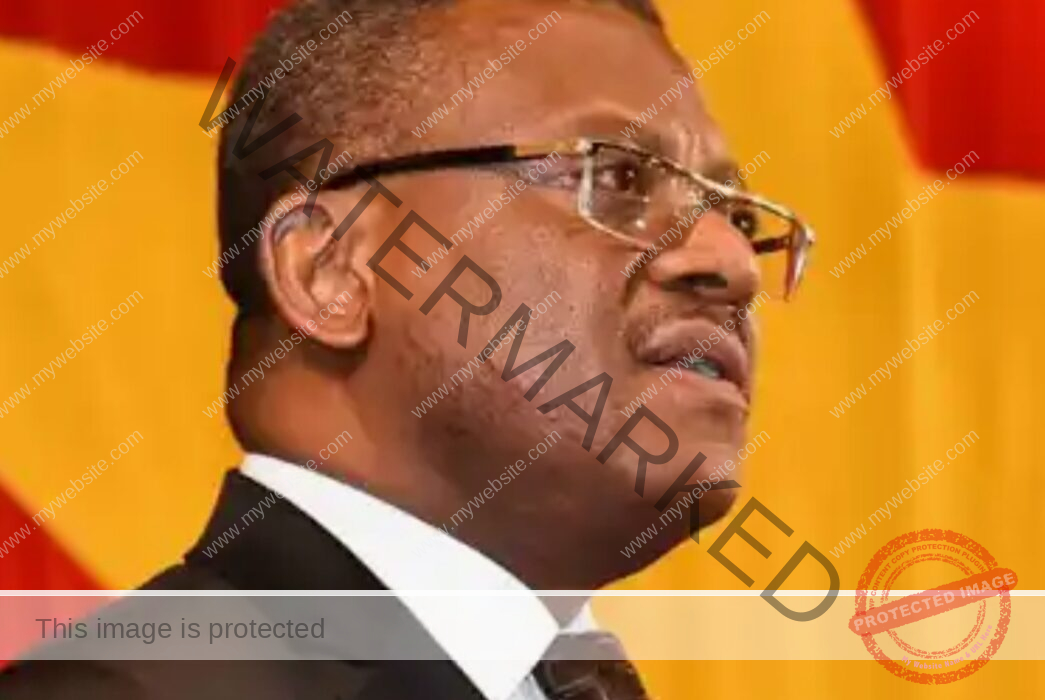
If representation can be effectively removed from the management of national resources—such as electricity—then the argument that the Anglophone crisis is administrative rather than structural becomes increasingly difficult to sustain. By Timothy EnongeneGuest Editor-in-Chief, The Independentist News Editor’s Note: Timothy Enongene serves as Guest Editor-in-Chief for this special analysis series, bringing independent, policy-focused perspective to

Read More