




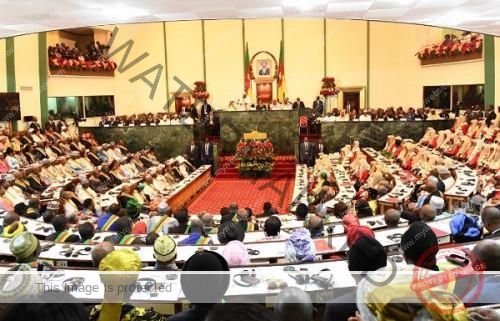




The Silence of the Teleguided: Why the February 11 Boycott Is the Ultimate Litmus Test
The future of the struggle depends on clarity, discipline, and commitment—not on voices that only appear when the cost has already been paid.
Local reports from cities such as Bamend, Kumba and Nkambe suggest that participation in parades can sometimes occur under strong administrative encouragement, with
The future of Cameroon ultimately rests with its youth. Ensuring that this generation inherits opportunity rather than prolonged conflict will require political courage,
The ghost of 1961 persists not because history refuses to fade, but because its questions remain unanswered. The future of both Cameroon and
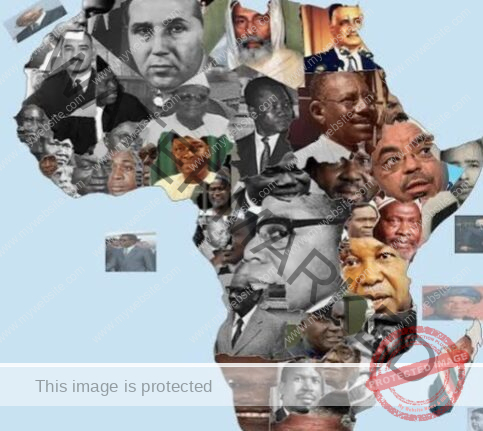
History may have moved on, but the foundations S.K.Kilo helped build remain. Resurrecting the memory of these pioneers in classrooms and public discourse
Representation at the top does not automatically translate into justice or political settlement on the ground. Without substantive reforms, symbolic appointments cannot resolve
Cameroon’s crisis is therefore not simply political—it is structural. Without procurement transparency, independent oversight institutions, and genuine decentralization of decision-making, governance failures will
Yet history shows that systems built solely on survival tactics eventually exhaust their tricks. A mask, however prestigious, cannot indefinitely animate a failing
In the present context, and with speculations around International figures like Vera Songwe, new appointments risk being perceived less as solutions and more
The Great Institutional Mirage: Why Nkwen and Bambili Bypassed Biya’s “House of Chiefs”
Communities did not require distant administrators to resolve boundary or land disputes. Local institutions carried legitimacy because they exercised real authority. Today’s structures,