






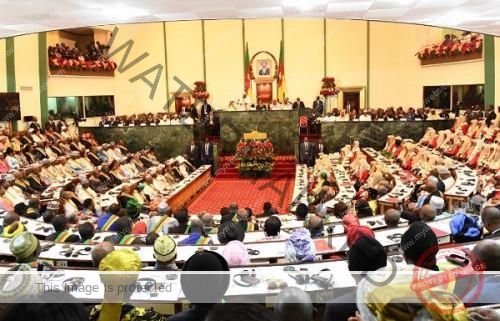






In the present context, and with speculations around International figures like Vera Songwe, new appointments risk being perceived less as solutions and more as attempts to stabilize public perception without addressing foundational concerns.
By Lester Maddox
Oakland County, California guest contributor The Independentistnews
Oakland 9 February 2026 – For more than three decades, President Paul Biya’s government has relied on a familiar political formula whenever tensions rise in Cameroon’s English-speaking regions: appoint or reshuffle an Anglophone Prime Minister and present the move as proof of inclusion. Yet the persistence—and escalation—of conflict in recent years suggests that symbolic appointments alone cannot resolve deep structural grievances.
For many Ambazonians, the current crisis is not merely about representation within government, but about long-standing questions of governance, autonomy, and political trust. Changing personalities at the top of government without addressing underlying institutional concerns has repeatedly failed to restore confidence.
A Strategy Rooted in Political Management, Not Reform
The modern version of this strategy took shape in the early 1990s, when rising opposition movements threatened the ruling party’s dominance. Rather than fundamentally reform governance structures, critics argue that the government opted for political balancing—elevating Anglophone figures to visible positions while preserving centralized executive control.
Successive Anglophone Prime Ministers—from Simon Achidi Achu through Peter Mafany Musonge, Philemon Yang, and Joseph Dion Ngute—have held the title of Head of Government. Yet many observers note that executive authority in Cameroon remains heavily concentrated in the presidency, limiting the practical influence of the Prime Minister’s office. As a result, cabinet changes often appear symbolic rather than transformative.
The Limits of Technocratic Solutions
Recent speculation surrounding potential leadership changes, including discussions around internationally respected figures such as economist Vera Songwe, illustrates the government’s continued reliance on credibility through personalities.
Yet even respected technocrats face structural limits. Economic expertise alone cannot resolve political conflicts rooted in historical grievances, governance structures, and mutual distrust. Development plans and economic reforms struggle to gain traction when communities feel politically marginalized or insecure.
In the present context, and with speculations around International figures like Vera Songwe, new appointments risk being perceived less as solutions and more as attempts to stabilize public perception without addressing foundational concerns.
Symbols of Governance Failure
Large national projects have also become symbols in political debate. The construction challenges and controversies surrounding the Olembe Stadium, for example, have been cited by critics as evidence of broader governance and accountability problems.
Whether fair or not, such cases reinforce public perceptions of inefficiency and mismanagement, deepening frustration among citizens already struggling with economic hardship and insecurity.
A Political Reality That Has Changed
Many Ambazonians argue that events since 2016 have fundamentally altered political realities on the ground. Communities that once sought reform within the existing framework now increasingly question whether meaningful change can occur without deeper structural transformation.
From this perspective, cabinet reshuffles or regional appointments cannot alone reverse the erosion of trust between the central government and large segments of the population.
Beyond Symbolism
The Cameroon–Ambazonian conflict highlights a broader lesson: political stability requires more than representation—it requires institutions that citizens trust, systems perceived as fair, and governance structures responsive to local realities.
Whether the future holds federal reform, decentralization, national dialogue, or another political arrangement, it is increasingly clear that symbolic inclusion alone cannot resolve a conflict rooted in history, governance, and identity.
Leadership changes may temporarily calm tensions. But lasting peace will require confronting the deeper political questions that reshuffles alone cannot answer.
Lester Maddox
Oakland County, California guest contributor The Independentistnews




Leave feedback about this