






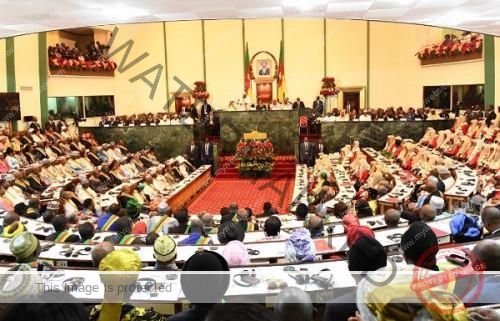





The Southern Cameroons question is greater than any individual, organization, or generation. Our collective responsibility is to ensure that institutions outlive their founders, democratic principles outlive political disagreements, and the future remains open to every citizen.
By Uchiba Nelson contributor The Independentist News
As Amazon associate this site earns from qualifying purchases
Get books on Ambazonia’s productive Sovereignty and statecraft By Martin Mungwa on Amazon
BUEA – October 7, 2026 – Dear Brothers and Sisters, To all who have contributed to the political history and self-determination struggle of the Southern Cameroons, we extend our sincere appreciation and gratitude. You have played a part in shaping our people’s history. Through your sacrifices, decisions, leadership, activism, and contributions, you have influenced the course of a struggle that has endured generations of political uncertainty, institutional challenges, and profound human suffering.
Some of your contributions will be remembered positively. Others will remain subjects of historical scrutiny and debate. Nevertheless, we recognize that each generation acts within the circumstances, limitations, and understanding of its time. History will judge your contributions, but history must never become an excuse for holding the future hostage.
The Southern Cameroons struggle has reached a moment when the question is no longer simply who led yesterday, but what institutions must guide tomorrow. The Never Again Generation represents a demand for a new political culture—one in which institutions replace personalities, accountability replaces unquestioning loyalty, and democratic participation replaces factional allegiance.
For too long, political leadership has been associated with individuals, organizations, competing authorities, and personal claims to legitimacy. These differences have generated difficult questions about representation, accountability, continuity, and the future of the national struggle.
A nation cannot build lasting democratic institutions if its political future remains permanently dependent upon particular personalities. No individual owns the Southern Cameroons struggle. No organization possesses an exclusive inheritance of its future. And no generation has the right to deny the next generation its opportunity to lead.
The Never Again Generation therefore calls for a transition from personality-centered politics to institution-centered governance. We envision a political culture in which citizens participate through accountable Local Government Areas, counties, and national institutions; where leadership is earned through service and public confidence; and where decisions are made through transparent, democratic processes rather than personal declarations.
Those who have contributed over the years have an important opportunity to support this transition. We respectfully invite longstanding political leaders, activists, commentators, and organizational figures to consider a new chapter of service through mentorship, historical documentation, community development, advisory responsibilities, and the preparation of emerging leadership.
For those who choose retirement from active political leadership, we extend our appreciation and best wishes for a peaceful and fulfilling retirement. Retirement from leadership, however, must never mean exclusion from citizenship or public participation. Every Southern Cameroonian retains the right to express opinions, participate in lawful political activities, and contribute to the future of the nation.
The younger generation must likewise understand that renewal is not merely the replacement of older personalities with younger ones. Without accountability, constitutional discipline, institutional checks, and democratic legitimacy, a new generation can reproduce precisely the failures it claims to reject.
Never Again must be more than a slogan. It must become a standard of governance. Never again should political institutions exist merely to serve the ambitions of individuals. Never again should disagreements become reasons to silence legitimate participation. Never again should loyalty to a personality take precedence over loyalty to the people. Never again should leadership be treated as a permanent entitlement. And never again should the aspirations of an entire people depend upon the survival, preferences, or ambitions of one individual.
To the pioneers, we say thank you. To those who have served faithfully, we acknowledge your contributions. To those whose decisions remain controversial, we recognize that historical accountability and fair examination must remain part of our collective responsibility. To the emerging generation, we offer this reminder: leadership is not an inheritance, an entitlement, or a reward for political enthusiasm. It is a public trust that must be earned through competence, integrity, responsibility, and service.
The Southern Cameroons question is greater than any individual, organization, or generation. Our collective responsibility is to ensure that institutions outlive their founders, democratic principles outlive political disagreements, and the future remains open to every citizen. The greatest legacy of yesterday’s leaders will not be how long they remained in control, but whether they helped build institutions capable of functioning without them.
We thank everyone who has contributed to this historical journey. The next chapter must be defined not by the dominance of personalities, but by the strength of institutions and the sovereignty of the people. The struggle belongs to the people. The future belongs to the people. And the institutions must serve the people. Thank you, and may the coming generation build upon the lessons of those who came before it.
As Amazon associate this site earns from qualifying purchases
Get books on Ambazonia’s productive Sovereignty and statecraft By Martin Mungwa on Amazon
Uchiba Nelson contributor The Independentist News






Leave feedback about this