









Commentary

We are home to news on Cameroon and the CEMAC region. We are dedicated to honest and reliable reporting. We are the voice of the Cameroonian people and their fight for freedom and democracy at a time when the Yaoundé government is silencing dissent and suppressing democratic voices.

The metaphor often used is stark: that those who helped design the structure are now reluctant to confront its failures. Whether one agrees with that framing or not, it reflects a broader frustration—that the international response has not matched the urgency of the situation on the ground.
By Lester Maddox Guest Contributor
The Independentistnews Oakland County, California April 1, 2026
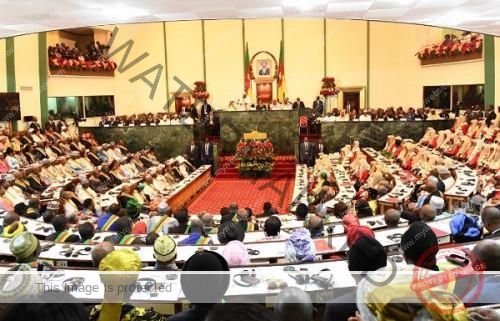
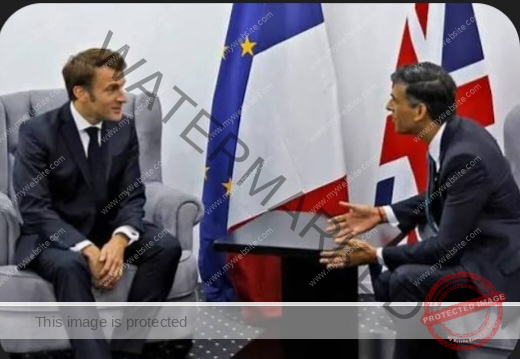
There is a persistent question surrounding the positions of the United Kingdom and France on the Ambazonian conflict: why does meaningful intervention remain so limited despite the scale and duration of the crisis?
One explanation often advanced by critics is that the issue is not simply “complexity,” but historical responsibility. The roots of the present conflict trace back to the decolonisation arrangements of the early 1960s—particularly the 1961 process that led to the union between Southern Cameroons and the Republic of Cameroon. For many Ambazonians, that process remains deeply contested, with ongoing arguments that it failed to meet the standards of international law and genuine self-determination.
Whether or not one accepts that legal interpretation in full, it is clear that these historical arrangements continue to shape today’s realities. Addressing the conflict meaningfully would likely require revisiting difficult questions about how those decisions were made, whose interests were prioritised, and whether the outcomes reflected the will of the people concerned.
For London and Paris, such questions are not trivial. They touch on broader legacies of colonial administration, international agreements, and precedent. Acknowledging shortcomings—real or perceived—can carry diplomatic, legal, and reputational implications that extend far beyond a single case.
At the same time, it is important to avoid reducing the situation to a single narrative. The conflict today is also driven by contemporary political dynamics, internal governance challenges, and evolving regional realities. Responsibility is therefore shared across multiple actors, both historical and present.
Yet, the perception remains strong among many observers that more could be done. The gap between expressed concern and tangible action continues to raise questions about priorities, influence, and political will.
The metaphor often used is stark: that those who helped design the structure are now reluctant to confront its failures. Whether one agrees with that framing or not, it reflects a broader frustration—that the international response has not matched the urgency of the situation on the ground.
Ultimately, the path forward will require more than historical debate. It will require a willingness by all stakeholders—local and international—to engage with both the past and the present in a way that prioritises stability, justice, and the protection of civilian life. History is rarely simple. But neither is it irrelevant.
Lester Maddox Guest Contributor
The Independentistnews
Share This Post:
The Commonwealth of Complicity: A Club with No Conscience?
The Power of One Phone Call: A Demand for Action
Related Post
PROPHECY, POLITICS, AND THE AMBAZONIAN QUESTION (PART III) Why
WHEN YAOUNDÉ’S ALLIES SUDDENLY ENDORSE AYUK TABE: SOLIDARITY OR
THE SECOND RETURN: FROM THE PAIN OF SEPARATION TO
WHEN THE REGULATOR BENDS: WHAT THE VISION 4 AFFAIR
PROPHECY, POLITICS, AND THE AMBAZONIAN QUESTION (PART II) :
IF SOMALILAND MATTERS TO WASHINGTON, WHY NOT SOUTHERN CAMEROONS?