

International Women’s Day therefore carries a dual meaning in this context. It celebrates the achievements and resilience of women, while also highlighting the urgent need for a future in which justice, security, and opportunity are accessible to all.
By Carl Sanders, Guest Contributor, The Independentistnews, Soho, London
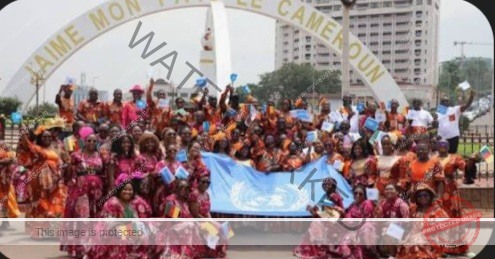
YAOUNDÉ – March 6, 2026 – As Cameroon approaches the celebrations of March 8, International Women’s Day, under the theme “Justice for all women and girls,” the moment invites reflection as much as celebration. Across the country, official ceremonies will highlight progress in women’s empowerment, with parades, public speeches, and cultural events marking the day.
Yet for many women living in communities affected by the ongoing conflict in the former Southern Cameroons, the theme carries a more complex and painful meaning.
In cities such as Yaoundé and Douala, Women’s Day has long been associated with public gatherings and symbolic displays of national unity. But in many parts of the Savannah, Midland, and Atlantic zones—areas deeply touched by years of violence—families continue to grapple with displacement, insecurity, and loss. For women in these communities, the language of justice often feels distant from daily reality.
Over nearly a decade of conflict, women have borne a disproportionate share of the humanitarian burden. Many have become widows, primary caregivers, or heads of households under extremely difficult circumstances. Thousands have been displaced internally, while others have sought refuge across international borders.
The stories that emerge from affected communities frequently revolve around survival—mothers searching for missing relatives, women struggling to rebuild homes destroyed during clashes, and families attempting to maintain dignity in the face of prolonged uncertainty.
Human rights organizations and humanitarian groups have repeatedly stressed that women in conflict zones face unique vulnerabilities, including exposure to violence, economic hardship, and the psychological toll of prolonged instability. These realities make the call for justice more than a symbolic slogan; it becomes a deeply personal demand for safety, recognition, and accountability.
For many women from the region historically known as Southern Cameroons, March 8 has gradually evolved into a day not only of celebration but also of remembrance. It is a moment to reflect on the lives disrupted by war and to reaffirm the role women continue to play in sustaining families and communities through adversity.
Despite the hardship, women have also emerged as some of the strongest voices advocating for peace and dialogue. From local community initiatives to diaspora advocacy, many have called for solutions that prioritize human dignity, reconciliation, and long-term stability.
International Women’s Day therefore carries a dual meaning in this context. It celebrates the achievements and resilience of women, while also highlighting the urgent need for a future in which justice, security, and opportunity are accessible to all.
The path toward that future remains uncertain. But across villages, towns, and refugee settlements, women continue to demonstrate remarkable strength—holding communities together even in the darkest moments.
If the promise of justice is to mean anything beyond ceremony, it must ultimately be measured not by speeches or celebrations, but by the safety, dignity, and hope that women and girls experience in their daily lives.
Carl Sanders, Guest Contributor,