

That is why the discussion about Victoria and Tiko matters today. Not because of what they once were, but because of what they can become. The future belongs to those who prepare for it long before it arrives, and perhaps nowhere is that future more visible than along the Atlantic shores of Victoria and Tiko.
By Timothy Enongene
Associate Editor-in-Chief, The Independentist News
For far too long, discussions about the future of Southern Cameroons (Ambazonia) have been dominated by politics, conflict, diplomacy, and resistance. While these issues remain important, there is another conversation that deserves equal attention: what kind of nation do we intend to build when the opportunity finally arrives? Every successful nation is built not only on political aspirations but also on a clear economic vision. For Ambazonia, one of the greatest untapped opportunities lies along its Atlantic coastline, in the twin gateways of Victoria and Tiko.
Nature has been exceptionally generous to our homeland. Few territories in West-Central Africa possess such a favourable combination of deep-water coastal access, fertile agricultural lands, abundant rainfall, offshore energy resources, and proximity to major regional markets. Yet despite these advantages, Victoria and Tiko remain far below their potential. What should be thriving centres of commerce, industry, and maritime activity have instead become symbols of unrealised opportunity. This is not merely an economic issue. It is a strategic one.
Throughout history, nations that understood the value of their geography transformed themselves into centres of prosperity. Singapore turned a small island into one of the world’s leading commercial hubs. Dubai transformed a desert trading post into a global gateway connecting continents. Rotterdam became one of Europe’s most important economic engines through maritime commerce and logistics. None of these success stories occurred by accident. They were the product of vision, planning, infrastructure, and leadership.
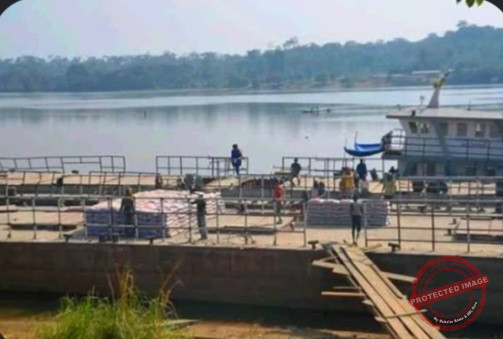
The lesson for Ambazonia is straightforward. Geography creates opportunity, but vision transforms opportunity into prosperity. A future Ambazonia should view Victoria not simply as a coastal town but as a future maritime gateway serving the Gulf of Guinea and beyond. Its strategic location, natural harbour characteristics, and proximity to offshore energy resources make it uniquely positioned to become a centre for shipping, logistics, maritime services, and energy development. At the same time, Tiko should be viewed not merely as an agricultural community but as a future agro-industrial hub capable of processing, packaging, and exporting products from across the territory to regional and international markets.
Together, Victoria and Tiko possess the potential to become the economic lungs of a future nation. They can connect farmers to global markets, industries to international supply chains, and entrepreneurs to new opportunities. They can generate employment, attract investment, stimulate innovation, and create the economic foundation upon which long-term prosperity is built. The Atlantic Ocean is not a boundary separating us from the world. It is a highway connecting us to it.
Far too much of our political discourse focuses on what others have done to us. While history must never be forgotten, the future cannot be built on grievance alone. The more important question is what we intend to build for ourselves. The prosperity of a future Ambazonia will depend not only on political developments but also on infrastructure, commerce, education, technology, energy, manufacturing, and the institutions capable of sustaining them.
The deep waters of Victoria remain. The fertile lands surrounding Tiko remain. The entrepreneurial spirit of our people remains. The opportunity remains. The challenge before this generation is to think beyond resistance and begin imagining reconstruction. One day the political struggle will end. When that day comes, nations that have prepared for the future will move forward quickly. Those that have not will find themselves exchanging one set of challenges for another.
That is why the discussion about Victoria and Tiko matters today. Not because of what they once were, but because of what they can become. The future belongs to those who prepare for it long before it arrives, and perhaps nowhere is that future more visible than along the Atlantic shores of Victoria and Tiko.
Timothy Enongene
Associate Editor-in-Chief, The Independentist News