

Whether intentionally or not, Pope Leo XIV may have accelerated that transition in global perception. The visible structures of power in Cameroon remain standing. But internationally, the moral and diplomatic terrain beneath those structures may now be shifting.
By Ali Dan Ismael Editor-in-Chief The Independentist News
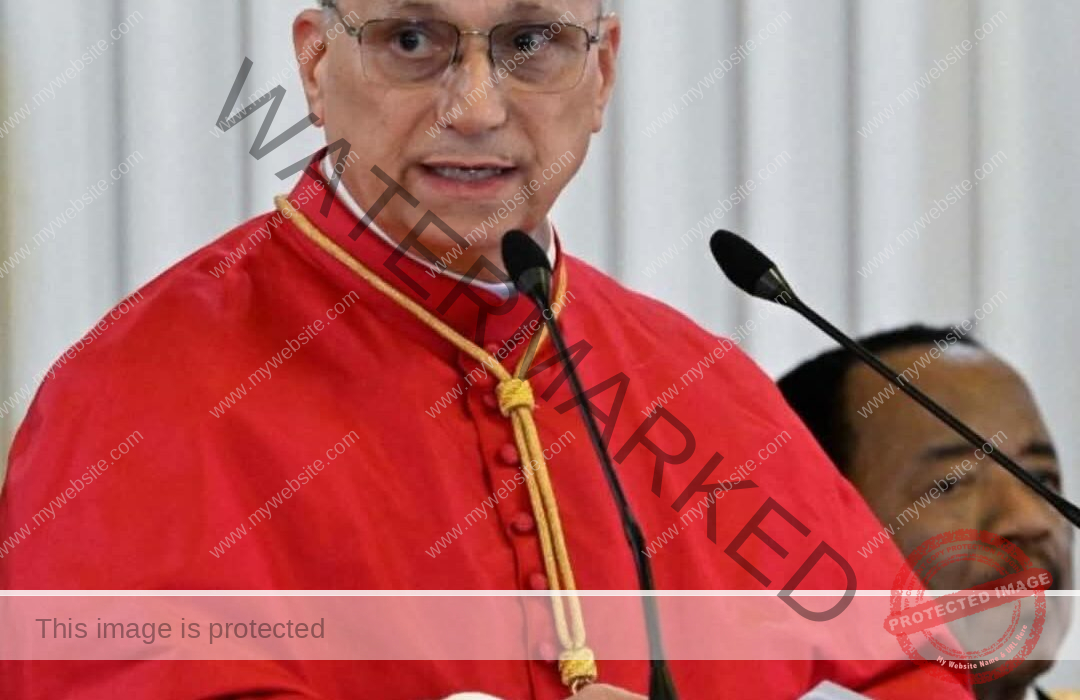
At first glance, the visit of Pope Leo XIV to Cameroon may appear to have changed very little. Government officials continued their ceremonies. State media projected familiar images of unity and stability. Public institutions remained intact. The machinery of state power carried on as though the visit were simply another diplomatic engagement. But beneath the surface, something far more consequential may have occurred.
The real significance of the Pope’s visit was not in what he openly condemned, but in what he deliberately refused to legitimize. For years, the Cameroonian state has depended heavily on a carefully managed international narrative: that the crisis in the former British Southern Cameroons—known to Ambazonians as Ambazonia—is merely a security problem caused by armed separatists. Under this framework, the state portrays itself as the defender of national unity while placing primary blame for instability on resistance movements. Yet the Pope’s message subtly disrupted that narrative.
Rather than offering a strong endorsement of state authority, he emphasized justice, reconciliation, accountability, and the protection of human dignity. These were not accidental themes. In diplomatic language, particularly Vatican diplomacy, such wording carries enormous weight.
The Vatican rarely intervenes recklessly in geopolitical disputes. When it chooses moral language over political endorsement, observers notice. And this time, the signal was unmistakable.
The Pope did not frame the crisis purely as terrorism or rebellion. He avoided language that would fully validate the government’s long-standing position. Instead, his remarks implicitly acknowledged that deeper grievances exist—grievances rooted in governance, exclusion, violence, and the failure of political justice. That distinction matters.
Because once a conflict is no longer viewed solely through the lens of security, international attention inevitably shifts toward state conduct itself. This is where the visit may prove historically significant.
For years, critics of the Cameroonian government have pointed to persistent allegations of systemic corruption, disputed elections, arbitrary detentions, suppression of dissent, and the mistreatment of political opponents. Human rights organizations, foreign observers, and diaspora groups have repeatedly raised concerns regarding both governance failures and military conduct in conflict regions.
The Vatican’s intervention did not explicitly endorse these accusations. But by centering morality instead of state authority, it amplified international scrutiny at a moment when Cameroon can least afford it. And the consequences may unfold gradually rather than dramatically.
Diplomatic credibility is not usually destroyed overnight. It erodes silently. Investors begin asking harder questions. Foreign governments become more cautious. International institutions grow less enthusiastic. Media narratives shift. Confidence weakens. This is particularly dangerous for governments already struggling with legitimacy challenges, economic uncertainty, and regional instability.
The timing is equally important.
Cameroon now faces mounting pressures from multiple directions: economic strain, unresolved internal tensions, declining public confidence, elite fragmentation, and growing international skepticism toward long-serving centralized systems across parts of Africa. In such an environment, symbolic losses matter enormously. The Pope’s visit may therefore represent more than a religious moment. It may mark the beginning of a reputational transition.
The deeper danger for Yaoundé is not merely criticism from activists or opposition figures. Governments can often dismiss those voices. The greater danger emerges when moral institutions with global influence begin subtly repositioning themselves away from unconditional state narratives. Once that process begins, diplomatic insulation weakens. And perhaps most importantly, the international conversation surrounding the conflict itself may now be changing.
Increasingly, observers are beginning to question whether the crisis can honestly be explained only through the actions of armed groups. Attention is shifting toward broader structural questions:
Why has the conflict persisted for so long?
Why have political solutions repeatedly failed?
Why do allegations of abuse continue to emerge?
Why has meaningful reconciliation remained elusive? And why do grievances within the Anglophone regions continue to resonate despite years of military operations? These are governance questions—not merely security questions. That distinction changes everything.
Whether intentionally or not, Pope Leo XIV may have accelerated that transition in global perception. The visible structures of power in Cameroon remain standing. But internationally, the moral and diplomatic terrain beneath those structures may now be shifting. And history has often shown that when global moral confidence begins to erode, political consequences eventually follow.
Ali Dan Ismael Editor-in-Chief The Independentist News