












The UN’s own agencies had long warned that Cameroon’s civic space was closing. Independent journalists were jailed, opposition rallies banned, and entire regions — especially the Anglophone territories — placed under de facto military rule. Yet the UN continued its technical-assistance partnership with Elections Cameroon, lending expertise, logistics, and legitimacy to a process that was neither free nor fair.
By The Independentist Political Desk
Late on the evening of October 12, 2025, a young dockworker in Douala tucked his daughter into bed and turned on the television to watch his nation’s election results. He had voted with quiet hope, believing the ballot could still mean something. But as darkness fell, his phone lit up with videos of burning tyres, armed patrols, and the screams of neighbors choking on tear gas. By midnight, nearly fifty civilians lay dead. That night, Cameroon’s tragedy became the United Nations’ moral test.
A Crisis the UN Saw Coming
The UN’s own agencies had long warned that Cameroon’s civic space was closing. Independent journalists were jailed, opposition rallies banned, and entire regions — especially the Anglophone territories — placed under de facto military rule. Yet the UN continued its technical-assistance partnership with Elections Cameroon, lending expertise, logistics, and legitimacy to a process that was neither free nor fair.
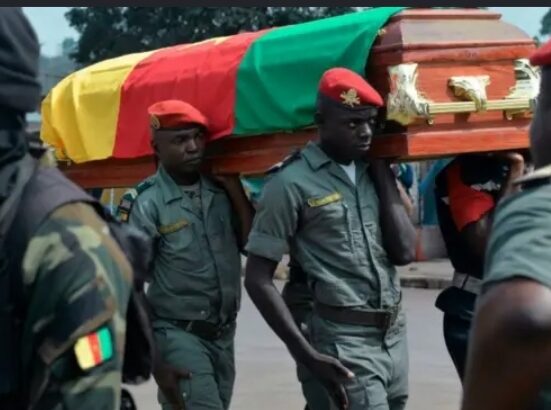
When the smoke cleared, Paul Biya — ninety-two years old and forty-three years in power — was declared the winner. Opposition candidate Issa Tchiroma Bakary, once Biya’s spokesman, cried fraud and called for protests. UN sources later confirmed that Cameroonian security forces killed forty-eight civilians in the ensuing demonstrations.
(Reuters)
When Engagement Becomes Enabling
This is not a procedural blunder; it is a structural failure. Every time the UN offers “technical support” to an election whose outcome is predetermined, it does more than waste resources — it launders repression. The institution that was built to defend human dignity becomes the scaffolding of tyranny.
UN officials will insist their work was neutral, that engagement prevents chaos. But neutrality in the face of injustice is complicity. The UN cannot claim to uphold human rights while its own seal of approval helps dictators secure international recognition. Cameroon has become the latest proof that “technical” aid without moral conditionality is political suicide.
And this raises a haunting question: Is the United Nations falling back into the arms of the League of Nations — toothless, incompetent, and partisan?
A century ago, the League stood idle while aggressors dismantled the world order piece by piece. Today, the UN risks replaying that same collapse, paralyzed by bureaucracy and political cowardice.
The Cost: Blood, Credibility, and Silence
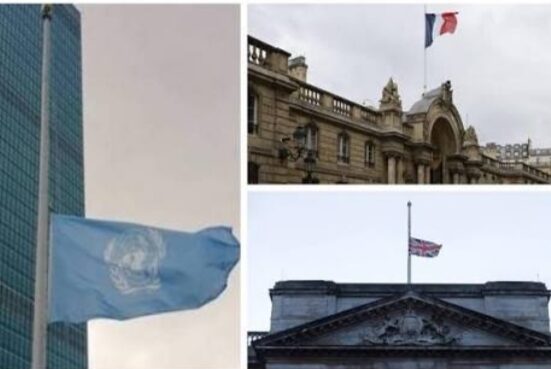
The UN’s credibility has never been cheaper — and the people paying for it are Cameroonians. When protesters die under the watch of a UN-backed process, when ballots are counted under curfew, and when the same UN that warns of “risk of atrocity” still signs cheques to the perpetrators, the line between oversight and endorsement disappears. The body born from the ashes of World War II now risks becoming the bureaucratic partner of the very abuses it was meant to prevent.
How the UN Can Redeem Itself
If the UN wishes to remain relevant, reform must move from rhetoric to enforcement: Human-rights gating: No electoral aid without verifiable freedom of assembly, press, and internet access. Automatic suspension: Any post-electoral violence triggers an immediate freeze and an independent forensic review of UN involvement. Transparency: Publish all funding flows to national electoral commissions, with public audits. Victim redress: Create a reparations-support mechanism for civilians harmed in UN-linked processes. Personal accountability: Resident Coordinators and country-team leaders must answer to external review boards for political decisions that aid repression. These are not optional; they are the bare minimum for an institution that still dares to speak of “never again.”
The Larger Question
Cameroon is not an isolated scandal — it is a mirror. From Myanmar to Sudan, from Haiti to the Sahel, the UN faces the same accusation: that it speaks loudly of peace while whispering apologies to power. The world’s faith in multilateralism now hangs by a thread. If the UN cannot distinguish between engagement and endorsement, between neutrality and negligence, it will soon be remembered not for its Charter but for its cowardice.
A Final Word
For the young father in Douala and millions like him, the UN’s slogans ring hollow. He does not need another press release; he needs protection, accountability, and truth. If the United Nations wants to be more than a relic of post-war idealism, it must stop mistaking procedure for principle. Cameroon’s blood is on its hands. The time to act is now.
By The Independentist Political Desk
(© 2025 The Independentist. All rights reserved.)

Leave feedback about this