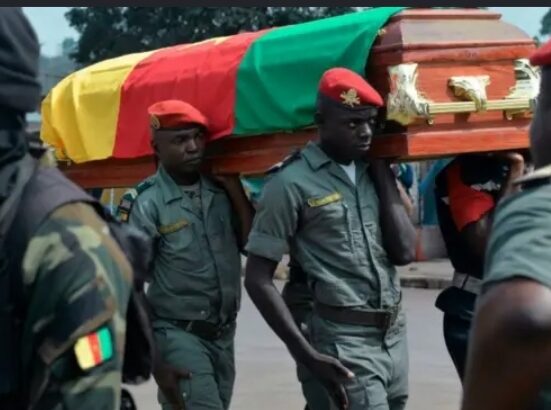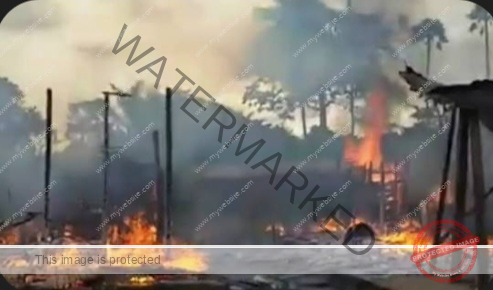


Across towns and villages in Southern Cameroons, the same things happen repeatedly. Homes are burned. Villages are raided. Civilians are killed. People disappear after arrest. Families flee into the bush. Children stop going to school. These are not isolated events. They follow the same script in different places, at different times, with the same outcomes. Patterns are how systems reveal themselves.
By Ali Dan Ismael editor in chief
What is happening in Southern Cameroons is not random. It is not chaos. It is not a few soldiers losing control. It is the predictable outcome of a system designed to rule without consent. The same system that kept Africa weak to sustain French power is the system enforcing control in Southern Cameroons today.
Françafrique needs force to survive
For decades, France maintained influence in Africa through a hidden arrangement. Local elites ruled. Foreign interests benefited. Ordinary people paid the price. This system works only if populations do not resist. When they do, repression becomes necessary. Not by accident. By design. Southern Cameroons is not an exception. It is one of the places where the system is being tested.
Why Cameroon responds with violence
French Cameroon does not fully control its money, its military doctrine, or its external alliances. Its survival depends on obedience to an inherited order. When Ambazonians demanded dignity, equality, and self-rule, the state did not respond with dialogue. It responded with force. That response was not emotional. It was structural. A system that cannot afford consent always chooses coercion.
What civilians endure, again and again
Across towns and villages in Southern Cameroons, the same things happen repeatedly. Homes are burned. Villages are raided. Civilians are killed. People disappear after arrest. Families flee into the bush. Children stop going to school. These are not isolated events. They follow the same script in different places, at different times, with the same outcomes. Patterns are how systems reveal themselves.
Silence is part of the machinery
When violence is truly accidental, it is punished. When it is systemic, it is explained away. In Southern Cameroons, investigations stall. Accountability fades. Witnesses are intimidated. Journalists are silenced. The cycle resets. Silence is not failure here. Silence is function.
Why this is not an internal crisis
An internal crisis is temporary. This has lasted years. An internal crisis is corrected by reform. This has been met with escalation. An internal crisis produces remorse. This produces repetition. What Southern Cameroons is experiencing is not mismanagement. It is enforcement. The same enforcement used across Africa to keep post-colonial arrangements intact.
The lie of unity without justice
Unity is preached loudly, but equality is never delivered. Dialogue is promised, but power never moves. Decentralization is announced, while money and guns remain centralized. You cannot preach unity while denying dignity. You cannot demand peace while practicing domination. You cannot govern people whose consent you refuse to earn.
Why Ambazonia exposes the truth
Ambazonia frightens the system because it names what others hide. It says the violence is not accidental. It says the problem is structural. It says the arrangement itself is illegitimate. That is why repression is intense. That is why propaganda is constant. That is why silence is enforced.
The truth that keeps returning
A system built on extraction requires force. A system that fears consent relies on repression. A system that cannot reform itself attacks those who expose it. Southern Cameroons is not suffering because of disorder. It is suffering because order, as currently designed, demands suffering to survive. And that is why this struggle is not about rebellion. It is about refusal.
Ali Dan Ismael editor in chief