

For Ambazonians abroad, Mamdani’s story poses a question that touches both heart and conscience: “If an African born in Kampala can shape the destiny of New York, why can’t Ambazonians abroad shape the destiny of their homeland?”
By Ali Dan Ismael, Editor-in-Chief, on assignment to New York City
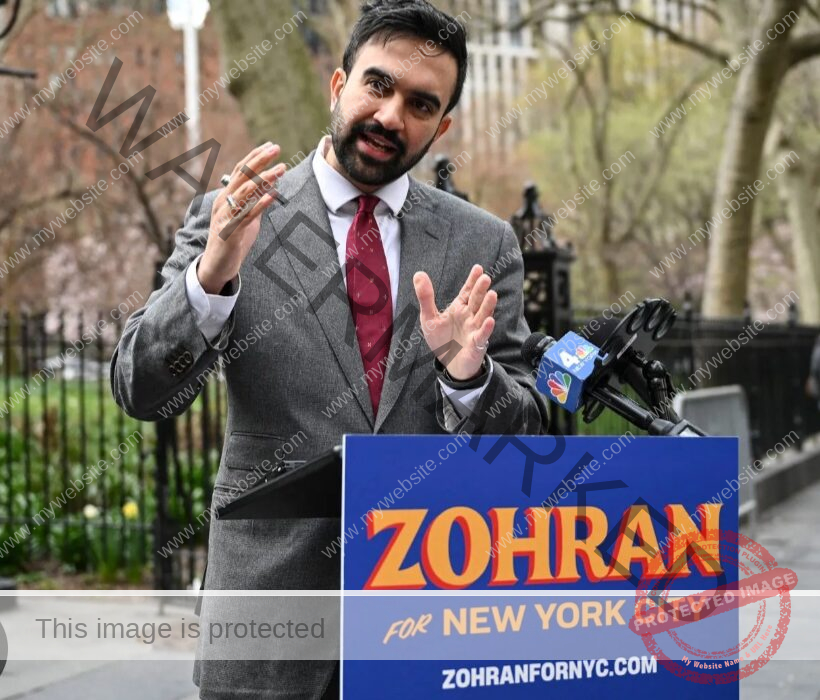
When Zohran Mamdani, a Ugandan-born American, emerged as a leading voice in New York City politics, it became more than a personal triumph — it was a proof of concept: that Africans can lead, influence, and reform institutions even outside their home soil. His story shows that identity and geography are not barriers; discipline, clarity, and communication are what matter.
The Meaning of Mamdani’s Rise
Mamdani’s journey from Kampala to New York politics demonstrates that African roots can nurture global relevance. He didn’t abandon his identity; he amplified it through civic service, storytelling, and communication.
His early days in the newsroom of the Daily Monitor in Uganda were more than a teenage internship — they were the foundation of a political education. There, under the mentorship of veteran journalists, he learned the language of awareness — how to listen, question, and translate social realities into clear, persuasive stories.
Those formative months taught him that communication is not merely expression — it is transformation. His ability to mobilize ideas and communities later in New York politics stemmed from those early lessons. He learned that the word can move people, that news can shape nations, and that awareness is the beginning of freedom.
Mamdani’s political communication — honest, inclusive, and practical — reflects the enduring power of clear messaging. He turned empathy into policy and storytelling into civic engagement. For Africans in diaspora, this shows that the path to influence is not through anger or arrogance, but through mastery of communication and consistent awareness-building.
The Ambazonian Parallel
For Ambazonians abroad, Mamdani’s story poses a question that touches both heart and conscience: “If an African born in Kampala can shape the destiny of New York, why can’t Ambazonians abroad shape the destiny of their homeland?”
The Ambazonian diaspora possesses the intellectual capital, moral clarity, and global reach to drive change — yet too often this energy remains scattered. Mamdani’s rise teaches that organization, message discipline, and civic participation matter more than titles or rhetoric.
If the diaspora wants to transform its homeland’s story, it must reclaim the same tools that made Mamdani powerful — journalism, education, and disciplined communication.
Lessons for Diasporans Who Want to Make Change at Home
Build competence before power, Mamdani didn’t claim authority; he earned it. Diaspora leaders must first study governance, finance, law, and social systems to lead with credibility.
Engage in grassroots, not grandstanding, Change begins in community spaces, not conference rooms. Ambazonians abroad can begin by building small, functional programs — schools, health centres, policy groups — that prove what self-determination can look like.
Harness the power of communication, Words shape worlds. From social media to newspapers, from podcasts to policy briefs, the diaspora must reclaim the art of narrative. Just as Mamdani used reporting to connect causes and communities, Ambazonians must make their communication clear, factual, and humane.
Build institutions, not empires, Personalities fade; institutions endure. Diaspora leaders must form accountable, transparent structures — think-tanks, advocacy councils, funding boards — that transcend individual ambition.
Stay connected and rooted, Mamdani still celebrates his Ugandan roots. In the same way, Ambazonians abroad must stay linked to home through mentorship, cultural exchange, and practical support – not just rhetoric.
Lead with integrity. Moral authority is the highest form of influence. The diaspora’s credibility will depend on how honestly it manages resources, how humbly it serves, and how truthfully it speaks.
The Power of Awareness
The foundation of all change is awareness — and the engine of awareness is communication. The same newsroom that shaped Mamdani’s political voice is a metaphor for what Ambazonia needs: a culture of facts, dialogue, and informed citizenship.
Newspapers, podcasts, documentaries, and community bulletins can awaken a people faster than weapons or decrees. The future belongs to those who can explain it clearly.
Key Election Dates to Note
The general election for Mayor of New York City is set for Tuesday, November 4, 2025.
The general election for Governor of New Jersey is also scheduled for Tuesday, November 4, 2025. These dates are not just local milestones — they remind diaspora communities that political timing and civic participation matter everywhere.
Conclusion
Zohran Mamdani’s story proves that Africans can rise anywhere — but the true challenge is to turn individual success into collective transformation.
For the Ambazonian diaspora, the message is urgent and clear:
Don’t only dream of change — communicate it, organise it, and live it. The struggle begins not in parliament, but in the newsroom of awareness — where truth is written before it is lived.