

If a people feel unheard, unprotected, and unseen… what exactly are they being asked to remain part of? This is the question Yaoundé must confront. Not tomorrow. Not in another “dialogue.” Not in another speech. But Now. Because the world has heard the Pope.
By Ali Dan Ismael, Editor-in-Chief on special assignment in Yaoundé Cameroon.
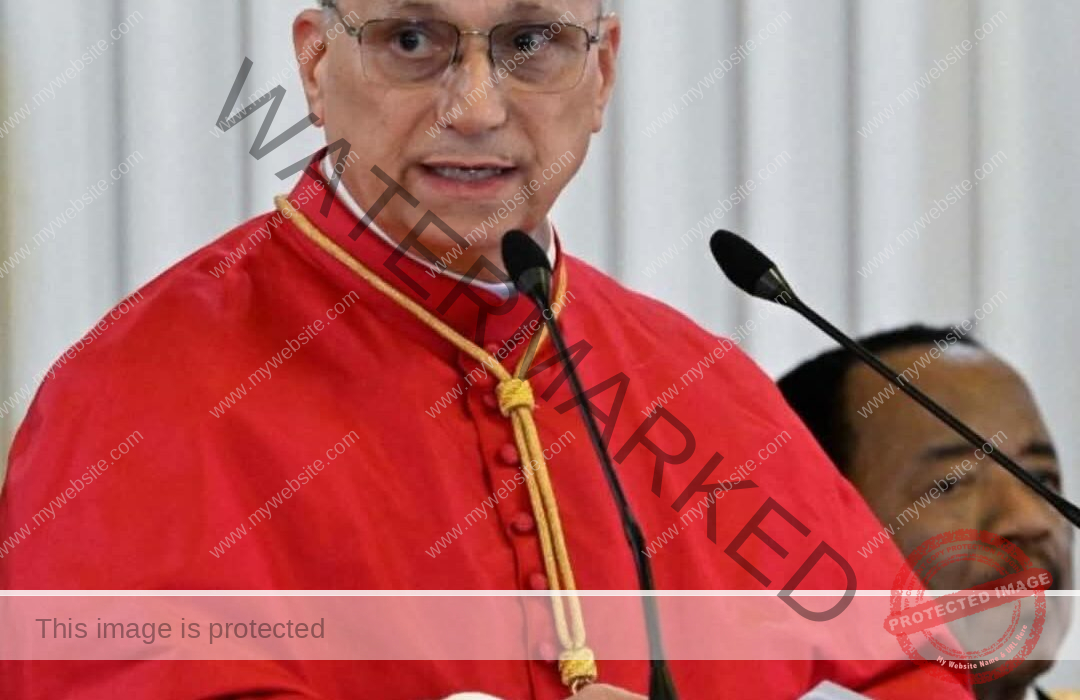
When Pope Leo XIV stood before the political establishment in Yaoundé, he did what few international figures have done with such clarity: he spoke to the conscience of a nation in crisis—without raising his voice, yet without leaving room for misinterpretation. This was not a ceremonial address. It was a moral audit.
For years, the suffering of the people in the Northwest and Southwest has been buried under statistics, diluted by propaganda, and dismissed as a “security issue.” Yet in a single moment, the Pope cut through that illusion. He named the regions. He acknowledged the deaths. He recognized the displacement. He saw the children without schools and the youth without a future. That alone is significant.
Because in diplomacy, what is named becomes real. And what is real can no longer be denied. But the deeper power of the Pope’s message was not in what he described—it was in what he demanded, quietly but firmly.
He reminded those in authority of a truth older than any modern state, drawing from Augustine of Hippo: that those who govern do so not to dominate, but to serve. Not to impose, but to protect. Not to silence, but to listen. This is not theology. This is an indictment.
For what does it mean when a government must be reminded that its duty is compassion? What does it say when the basic principles of service, justice, and dignity must be restated in front of those entrusted with power? It means something has gone fundamentally wrong.
The Pope went further. He rejected the logic of violence—not in abstraction, but in context. He spoke of a peace that is not enforced by fear, not sustained by weapons, and not declared from podiums while suffering continues in the shadows. He made it unmistakably clear: peace cannot be decreed.
That statement alone dismantles the entire illusion of imposed unity. Because if peace cannot be decreed, then neither can belonging. If peace must be lived, then it must also be chosen. And if it must be chosen, then the voices of those who refuse it under current conditions cannot be ignored, silenced, or erased. This is where the message becomes unavoidable.
For nearly a decade, the people of Ambazonia have insisted that their crisis is not merely humanitarian—it is political, historical, and existential. They have argued that the framework imposed upon them does not reflect their identity, their history, or their consent. The response has been force. But force, as history repeatedly teaches, cannot manufacture legitimacy. It can only delay its absence.
The Pope did not speak of independence. He did not invoke international law. He did not call for referendums or negotiations under specific terms. That is not his role. But he did something far more consequential.
He exposed the moral vacuum at the heart of the crisis. He spoke of minorities and their place within the nation. He emphasized listening over imposing. He called for participation, dignity, and justice—not as political options, but as moral necessities.
And in doing so, he left a question hanging in the air—one that no government statement, no military deployment, and no propaganda campaign can answer: If a people feel unheard, unprotected, and unseen… what exactly are they being asked to remain part of?
This is the question Yaoundé must confront. Not tomorrow. Not in another “dialogue.” Not in another speech. But Now. Because the world has heard the Pope. The only question left is whether those in power have.
Ali Dan Ismael, Editor-in-Chief on special assignment in Yaoundé Cameroon.