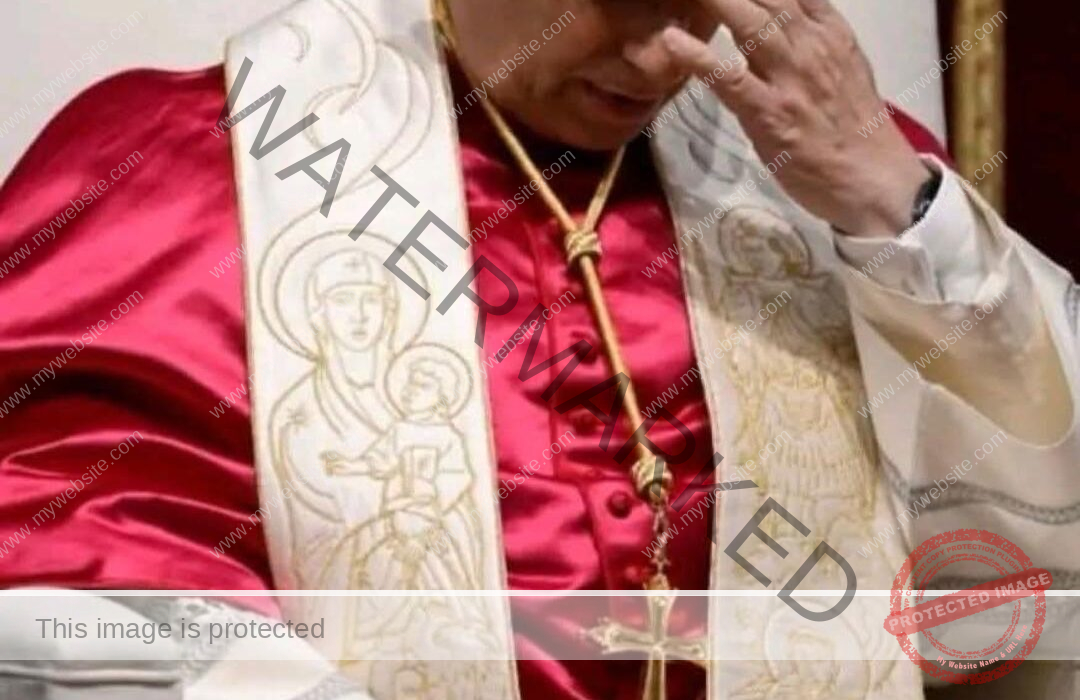


The Pope has spoken. The message has been delivered with clarity, grounded not in politics, but in moral truth. The question that remains is whether those entrusted with power are prepared to listen beyond the applause. Because in the end, it is not the speech that will be remembered. It is the response.
By Ali Dan Ismael
Editor-in-Chief, The Independentistnews
In Part I, we examined the spectacle of the Papal visit—the ceremony, the symbolism, and the expectations placed upon it. But beyond the optics lies a deeper question: what, precisely, was said—and what does it mean?
Because if one listens carefully, the Pope did not merely speak in pastoral tones. He spoke in the moral language of justice. And that language carries consequences.
Cameroon received the Pope with dignity, as protocol demands. The state performed its role with precision—orderly crowds, respectful gestures, carefully framed narratives. Yet history has taught us that governments often master the art of receiving messages they have no intention of applying. This moment risks becoming one of them.
The Holy Father spoke of peace—not as an abstraction, but as a lived reality grounded in dialogue, dignity, and fraternity. He spoke of diversity not as a problem to be managed, but as a treasure to be preserved. He acknowledged suffering in regions long dismissed or minimized. These were not casual remarks.
They echo the enduring philosophy of Augustine of Hippo, the North African thinker whose insights remain as relevant today as they were in the twilight of empire. Augustine warned that a political order devoid of justice does not produce peace—it produces control. He distinguished between two orders: one built on domination, the other on moral legitimacy. There is no middle ground between them.
When the Pope speaks of dialogue, he is not suggesting a public relations exercise. Dialogue, in its true form, requires recognition—recognition of grievances, of identity, of humanity. It demands that those who hold power listen not to respond, but to understand. Anything less is performance.
When he speaks of fraternity, he is not endorsing uniformity. Fraternity cannot be imposed by decree, nor manufactured through slogans. It emerges from mutual respect—where difference is not erased, but acknowledged as part of a shared human condition. Anything less is assimilation.
And when he acknowledges suffering, he is doing more than expressing compassion. He is affirming truth. In conflicts sustained by denial, truth itself becomes disruptive. It unsettles the narratives that justify inaction. It exposes the distance between official statements and lived realities. That is why acknowledgment matters. Yet acknowledgment, without action, risks becoming another layer of illusion.
Augustine’s warning is precise: peace without justice is not peace—it is order enforced by power. It is the silence that follows suppression. The stillness that masks unresolved tension. The appearance of stability that conceals a deeper fracture. If this is the peace being preserved, then it is not peace. It is postponement.
The challenge before Yaoundé is therefore not diplomatic—it is moral. To hear the Pope is to confront the implications of his message. It is to recognize that lasting peace cannot be achieved through force, nor sustained through silence. It requires a reordering of priorities—from control to justice, from dominance to service. That is not a symbolic adjustment. It is structural.
History offers little comfort to those who ignore such moments. Systems do not collapse because they are criticized; they collapse because they fail to correct themselves. The appearance of strength can endure for years—until it cannot. And when it gives way, it does so not gradually, but decisively. Cameroon stands at such a threshold.
The Pope has spoken. The message has been delivered with clarity, grounded not in politics, but in moral truth. The question that remains is whether those entrusted with power are prepared to listen beyond the applause. Because in the end, it is not the speech that will be remembered. It is the response.
Ali Dan Ismael
Editor-in-Chief, The Independentistnews