For critics of the regime, the current paralysis illustrates the limitations of a political system built around one long-serving leader. For supporters, it reflects the difficulty of managing a complex nation under challenging circumstances. Either way, the uncertainty at the center of power raises questions about how long the current model can sustain itself.
By Timothy Enongene
Guest Editor-in-Chief, Independentistnews
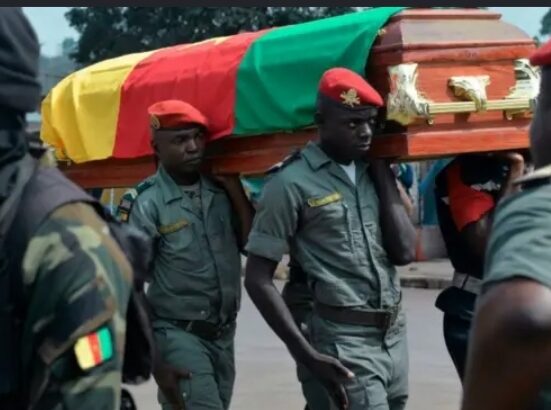
YAOUNDE February 3, 2026 – Months after Cameroon’s October 2025 presidential election, the country continues to operate without a newly appointed government, despite assurances delivered during President Paul Biya’s end-of-year address that a cabinet would be announced within days. More than a month later, that promise remains unfulfilled.
What might once have appeared as a routine political delay now increasingly reflects deeper institutional challenges within the governing system. The prolonged absence of a cabinet reshuffle suggests not merely administrative hesitation but growing political uncertainty at the heart of power in Yaoundé.
Succession Politics Behind the Delay
Observers widely agree that succession politics now dominate calculations within the ruling establishment. With President Biya having governed for more than four decades, questions about political transition inevitably influence every major appointment.
Government formation is no longer simply about administrative competence; it has become intertwined with positioning for a post-Biya political order. Rival factions within the political elite appear cautious about changes that might strengthen competing camps. As a result, decision-making at the top has slowed, with appointments carrying consequences beyond routine governance.
Ironically, the long-standing strategy of balancing rival power centers to maintain political stability now appears to be limiting the regime’s ability to act decisively.
A Cabinet Position No Longer Attractive
Joining a new government under current circumstances is not necessarily viewed as a political opportunity. Economic pressures, growing public frustration, and contested political legitimacy have made cabinet positions less appealing for professionals concerned about their long-term reputations.
Reports circulating within political circles suggest that some potential appointees have been reluctant to accept positions associated with an administration facing mounting internal and external criticism. Whether fully accurate or not, such perceptions further complicate government formation.
Administrative Drift and Policy Paralysis
The prolonged uncertainty has also produced consequences within state administration. Ministers uncertain about their political future tend to avoid major policy decisions, while ongoing projects stall amid expectations of imminent reshuffles.
Analysts describe the current moment as one of administrative drift: institutions continue to function formally, but strategic direction is missing. Decision-making slows, investment confidence declines, and governance becomes reactive rather than proactive.
This situation carries economic as well as political risks, as delays in decision-making affect infrastructure projects, social programs, and investor confidence.
The Challenge of Governing Conflict Regions
The continuing crisis in the Northwest and Southwest regions adds another layer of complexity. Regardless of political narratives, the reality remains that governance in conflict-affected areas faces enormous practical challenges.
Government authority in many areas operates under heavy security protection, while civilian populations continue to experience disruption, insecurity, and economic hardship. Any cabinet reshuffle must confront the reality that resolving conflict, not merely administering territory, remains a central national challenge.
A Symbol of Institutional Fatigue
The ongoing delay in forming a new government increasingly symbolizes a broader fatigue within the political system. A leader may secure electoral victory, but governing requires institutional cohesion and public confidence — both of which appear increasingly strained.
For critics of the regime, the current paralysis illustrates the limitations of a political system built around one long-serving leader. For supporters, it reflects the difficulty of managing a complex nation under challenging circumstances. Either way, the uncertainty at the center of power raises questions about how long the current model can sustain itself.
Conclusion: A Government Still Waiting to Begin
Cameroon today faces economic pressures, social tensions, and unresolved regional conflicts. Yet months after a decisive election, the formation of a government remains pending. For many observers, the delay underscores a simple political reality: victory at the ballot box does not automatically translate into effective governance.
As Yaoundé deliberates, populations across the country — including those in conflict-affected regions — continue to wait not only for appointments, but for solutions to the crises shaping their daily lives. And in that widening gap between power and performance, the future political direction of the country remains uncertain.
Timothy Enongene
Guest Editor-in-Chief, Independentistnews